Over 500 Journalists Urge White House Correspondents' Association to Confront Trump at Rescheduled Dinner
More than 500 journalists have signed a letter calling on the White House Correspondents' Association to forcefully stand up to President Donald Trump at the rescheduled dinner on July 24, citing his administration's attacks on the press and the First Amendment.
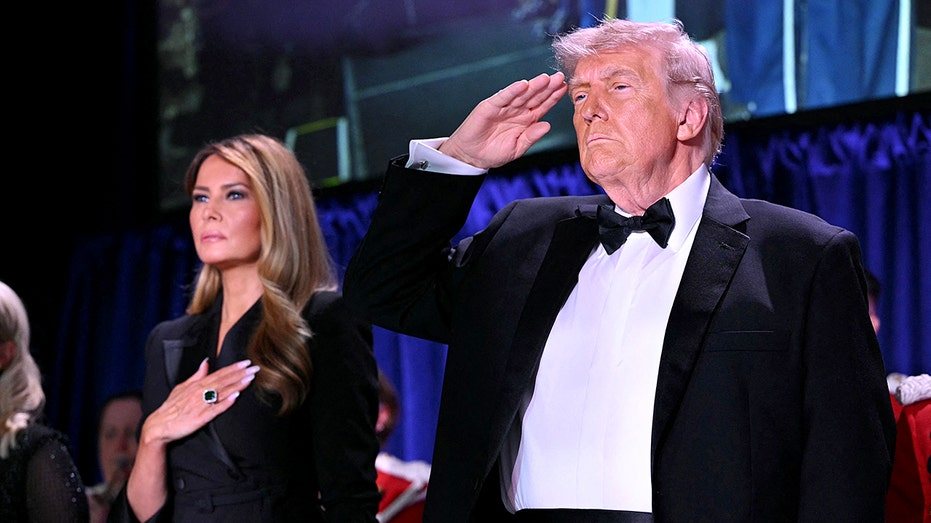
More than 500 journalists have signed an open letter demanding that the White House Correspondents' Association (WHCA) use its upcoming rescheduled dinner to forcefully confront President Donald Trump over his administration's actions against the press. The letter, organized by former ABC News correspondent Lisa Stark and former executive producer Ian Cameron, argues that the event cannot proceed as business as usual given what the signatories describe as an escalating assault on the First Amendment.
The letter states that since the original White House Correspondents' Dinner was abruptly halted in April due to a security incident, the Trump administration has become even more aggressive in its criticism of news organizations and individual reporters. The journalists call on the WHCA to publicly condemn the president from the podium and pledge to resist any efforts to undermine press freedoms. “We believe it is hypocritical to celebrate the First Amendment in front of the man who relentlessly attacks it,” the letter reads, urging the association to “forcefully stand up for freedom of the press in front of the President, publicly defend the journalists he attacks, and vow to resist his administration’s concerted effort to undermine the First Amendment.”
The WHCA responded with a statement defending its decision to host Trump while still honoring the role of the press. “The White House Correspondents’ Dinner exists because the First Amendment matters most when it’s under pressure,” the association said. “As we continue to celebrate America’s 250th birthday, our choice to gather as journalists, newsmakers and the president in the same room is a reminder of what a free press means to this country — and why it must endure. Not for the media or the president, but for the people who depend on it.” The statement did not directly address the letter's demands for a public confrontation.
The current letter echoes a similar appeal issued in April by more than 200 journalists, including former CBS News anchor Dan Rather, which urged the WHCA to use the dinner to demonstrate opposition to Trump's actions. That earlier letter described the president's attacks on the press as “systematic, sustained, and unprecedented” and argued that his presence at the event created a “profound contradiction” of its purpose. The April dinner was cut short when an armed suspect attempted to storm the Washington Hilton venue in what authorities later described as an assassination attempt against Trump. The event was subsequently rescheduled for July 24 at the Waldorf Astoria hotel in Washington, D.C.
This year's dinner marks the first time Trump has attended the White House Correspondents' Dinner as president. He skipped the event throughout his first term, though he did attend as a private citizen in 2011. The rescheduled gathering comes amid heightened tensions between the White House and the press corps, with Trump frequently labeling news organizations as “the enemy of the people” and his administration taking steps to restrict access to certain reporters and outlets. The WHCA has historically used the dinner as a platform to celebrate press freedoms, but critics argue that hosting a president who has repeatedly attacked the media undermines that mission.
The letter's signatories include journalists from major networks, newspapers, and digital outlets, though the WHCA has not indicated whether it will alter the program in response to the demands. The association's president, Eugene Daniels of Politico, has previously emphasized the importance of maintaining a dialogue with the White House, even amid disagreements. The dinner is expected to draw hundreds of attendees, including lawmakers, administration officials, and media figures, and will feature a comedic roast traditionally delivered by a prominent entertainer.
As the date approaches, the debate over the dinner's purpose and propriety continues to intensify. Supporters of the WHCA's decision argue that engaging with the president directly is a necessary part of journalism's watchdog role, while detractors contend that the event risks normalizing behavior they see as hostile to democratic institutions. The outcome of the July 24 dinner may set a precedent for how the press corps navigates its relationship with the Trump administration in the years ahead.
93