
NYC Deploys 17 Robotoilets With 10-Minute Auto-Open Limit
New York City is installing 17 modular public bathrooms operated by Throne Labs, featuring running water, temperature control, and baby-changing stations. The units automatically open their doors after 10 minutes, raising concerns about accessibility for people with disabilities and homeless residents who may lack smartphones or tap cards.
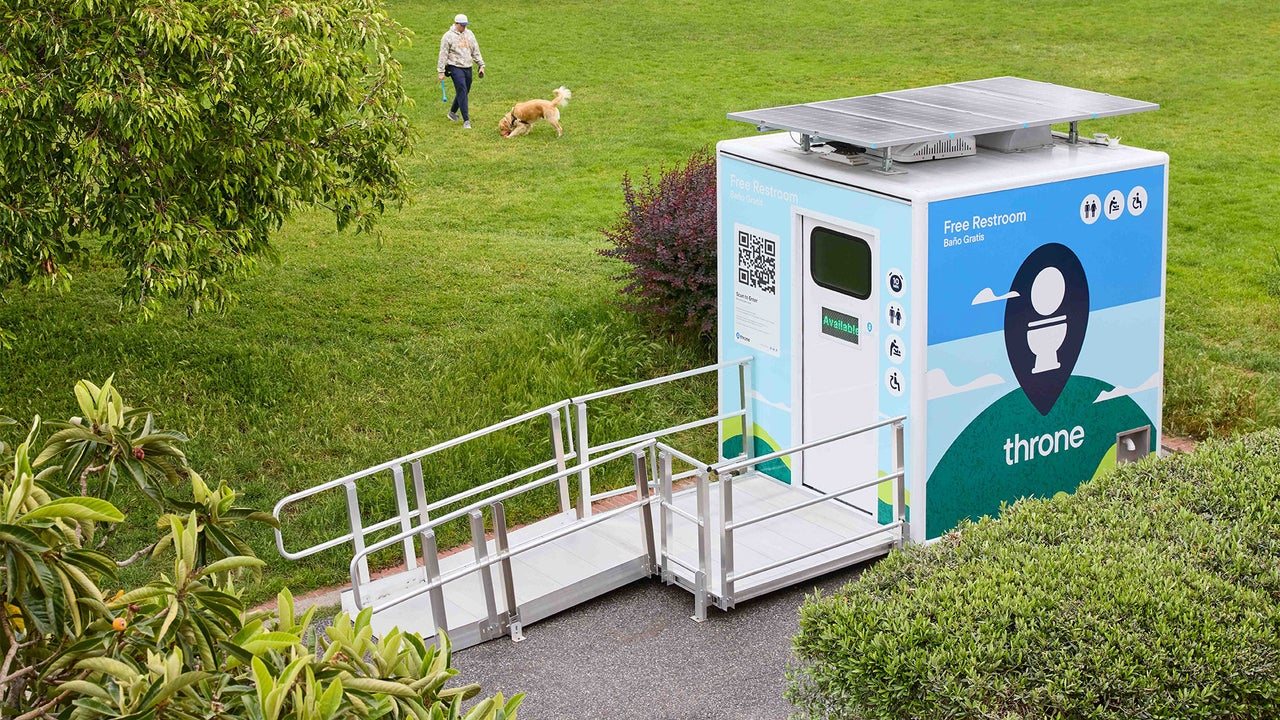
New York City is installing 17 new modular public bathrooms across all five boroughs in a pilot program aimed at addressing the city's severe shortage of public restrooms. The units, manufactured and operated by Throne Labs, are equipped with running water, temperature control, and baby-changing stations. The first two opened this week, with two more scheduled to open Thursday.
The city currently has just 975 operating public restrooms for its population, amounting to one restroom for every 8,697 residents. Mayor Zohran Mamdani announced the $4 million pilot at a press conference in Queens on Wednesday, describing it as a response to a persistent urban frustration. «Too many New Yorkers know what it's like to have nowhere to go while they're on the go,» Mamdani said. «This pilot is about making sure New Yorkers can count on a clean, safe, accessible bathroom when they need one.»
The bathrooms are designed for short visits. Users are expected to complete their business within 10 minutes. Audio warnings play at the five-minute and eight-minute marks. At 10 minutes, lights flash and a bilingual message in English and Spanish announces that the user's time has expired and the door is opening. After a final 30-second grace period, the doors open automatically, regardless of whether the user is ready. There is currently no way to extend a session.
Throne Labs co-founder and COO Jessica Heinzelman said the company settled on the 10-minute limit after reviewing typical public restroom standards and measuring actual usage. «The vast majority of users across our markets leaving within 3½ minutes,» she said. «Users are notified of the time limit prior to entering, and the throne provides multiple audio and visual warnings throughout the use.» If a user refuses to leave after the doors open, Throne Labs operators receive an alert and may check on the situation in person. Officials said police could be called to remove loiterers if necessary.
The automatic door policy has drawn criticism on social media, with some users raising concerns about medical conditions that require more time. One user described the doors opening as a «new IBS nightmare scenario.» Another wrote, «They can open the doors on me all they want, but unless that seat is spring loaded I am finishing my business.» A third commenter worried about bystanders getting «an eyeful of a total stranger.»
Accessibility advocates have also raised concerns about how users unlock the bathrooms. To open the doors, users need either a smartphone—to text a designated number, scan a QR code, or use Throne's app—or a special tap card distributed by local organizations. The Free to Pee Coalition, led by VOCAL-NY and the Coalition for the Homeless, said in a statement that these requirements raise «several access issues for homeless New Yorkers.» The group noted that many may not have a smartphone or be able to easily obtain a physical tap card. «As the City tests this pilot and decides in the future to purchase additional bathrooms, modular bathrooms alone will not change the current imbalance in bathroom access,» the statement continued.
The Throne Labs units are ADA-accessible, but critics argue that the 10-minute limit may still pose difficulties for people with disabilities or health conditions that require longer bathroom visits. The pilot represents the city's first major attempt to expand public restroom access in years, but the balance between cleanliness, safety, and accessibility remains a subject of debate as the program rolls out.