Analyst says Fed Chair Warsh is managing Treasury yields, not inflation
Brookings senior fellow Robin Brooks argues Kevin Warsh's mixed signals reflect efforts to contain long-term bond yields as federal debt costs climb past $1 trillion a year.
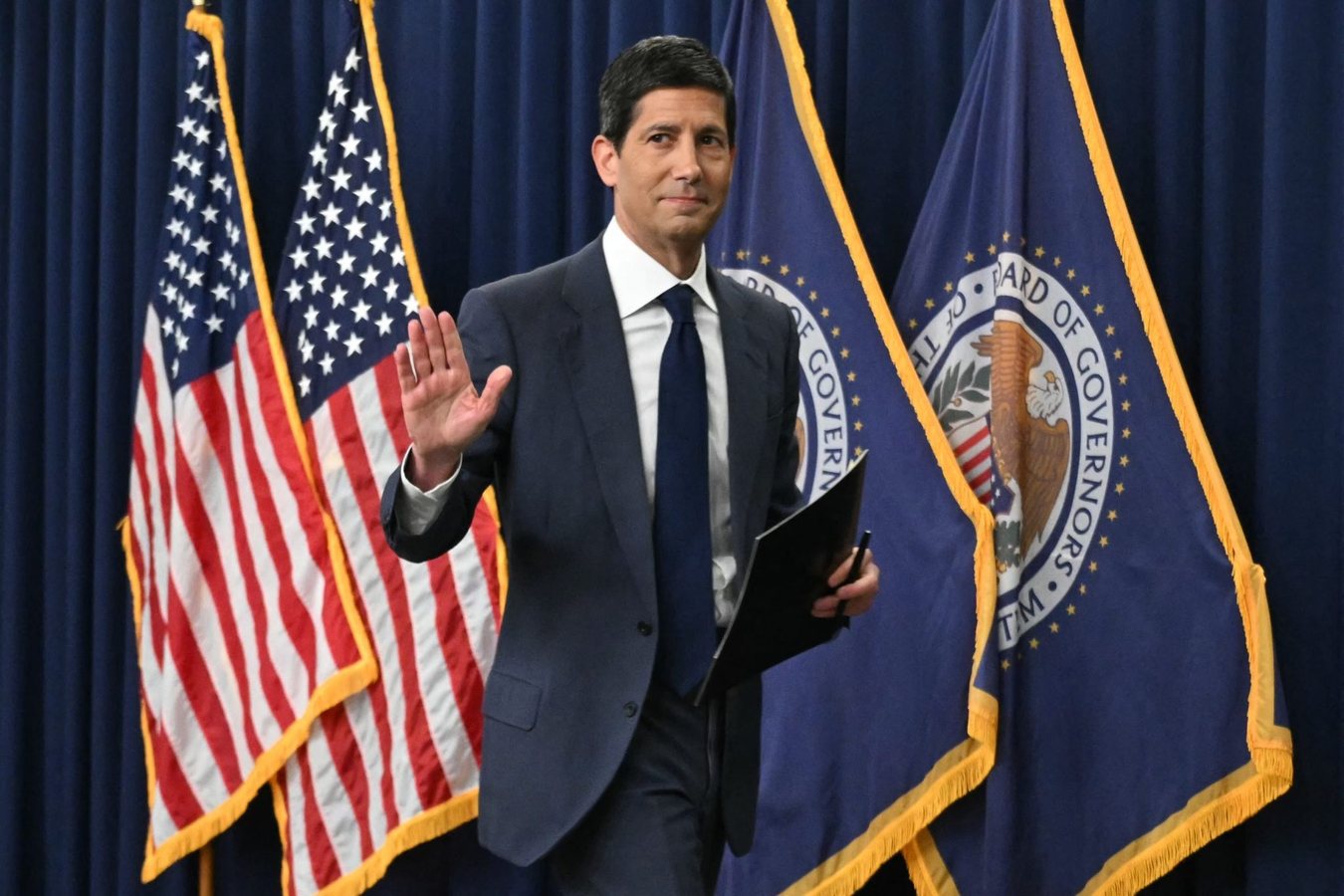
Brookings Institution senior fellow Robin Brooks argues that the central question about Federal Reserve Chair Kevin Warsh is the wrong one. Rather than trying to label him a hawk or a dove, Brooks contends that Warsh's policy signals are shaped mainly by the need to keep long-term Treasury yields under control, a challenge tied to the country's rapidly growing debt burden.
Warsh, nominated by President Donald Trump, was widely expected to favor looser monetary policy. His record since then has puzzled markets. He called inflation a “choice,” suggested the bond market would do some of the Fed's tightening, and delivered a hawkish speech at the Jackson Hole conference in August. In September, he led the Fed to a unanimous rate increase. Last week, he declined to back another hike even as inflation picked up again, and he gave no hints about the next policy decision, an approach that produced a broadly dovish effect.
Brooks, writing in a Substack post on Thursday, said the hot inflation readings cannot explain Warsh's statements. “We're not in hawkish or dovish land. What's happening is yield curve management, which itself is a function of how precarious the U.S. debt picture is,” he wrote. He added that “inflation and other macro data are secondary,” and that “the twists and turns in Fed policy are about what's going on with long-term yields.” Brooks suspects the Fed and the Treasury Department are in a de facto accord to keep borrowing costs stable.
The stakes are substantial. Gross U.S. debt is now above $40 trillion, with publicly held debt at 100% of GDP. In fiscal year 2026, which ended in September, federal debt-interest costs topped $1 trillion, exceeding defense spending. The surge in Treasury yields this year has worsened that picture. Brooks pointed to Treasury Secretary Scott Bessent's surprise announcement that the government would buy back more long-term bonds, a move that briefly lowered yields. Bessent also intervened in the currency market to support the yen without requiring Japan to sell its holdings of U.S. debt, which would have pushed yields higher.
Brooks said the effectiveness of these efforts is a separate question. Expectations of renewed escalation in the Iran war have pushed oil prices and yields higher, and signs that the U.S. economy is running hot have raised inflation and interest-rate forecasts. The country has also had some relief. Fears that the AI boom, a major driver of GDP growth, could collapse have eased pressure on yields. Political turmoil and fiscal problems in France have raised concerns about a debt crisis spreading across the eurozone, and investors have turned back to Treasuries as a safe asset, pushing the 10-year yield back below 5%.
“Warsh is neither hawk nor dove,” Brooks wrote. “Instead—like Bessent—he's just trying to keep long-term yields manageable.” Such management carries a risk. Analysts warn it could lead toward so-called fiscal dominance, in which high debt and deficits limit the Fed's ability to set monetary policy independently and fight inflation.
Bank of America economists have noted that as long as nominal GDP growth stays above interest rates, the U.S. can avoid a debt spiral in which borrowing costs grow faster than the economy. Yields, however, have climbed so high and so quickly this year that they have exceeded long-term estimates. The Congressional Budget Office was asked to model scenarios in which yields run 50 and 150 basis points above its 4.3% baseline. Under the higher scenario, net interest costs rise by $4.9 trillion over the next decade, and publicly held debt reaches 133% of GDP by 2036. Yields have pulled back recently after jumping more than 100 basis points above the CBO baseline earlier this year.
Bank of America analysts estimated that in the alternative scenario, the effective interest rate on government debt would exceed long-term nominal GDP growth, assumed at 4%, as early as fiscal year 2028, which begins in October 2027. For now, nominal growth remains strong, reaching 5.6% in the third quarter, helped by the AI boom and elevated inflation. The bank cautioned in an October 19 note that “both forces are likely to prove more temporary than permanent unless AI adoption ultimately delivers substantial productivity gains.” It added that “we believe it is optimistic to assume the United States can simply grow its way out of its mounting debt burden.”
4