New York Attorney General Named Special Prosecutor in Cornell Rape Case
Governor Kathy Hochul has appointed Attorney General Letitia James as special prosecutor to take over the Cornell University rape investigation, citing concerns about local handling of the case.
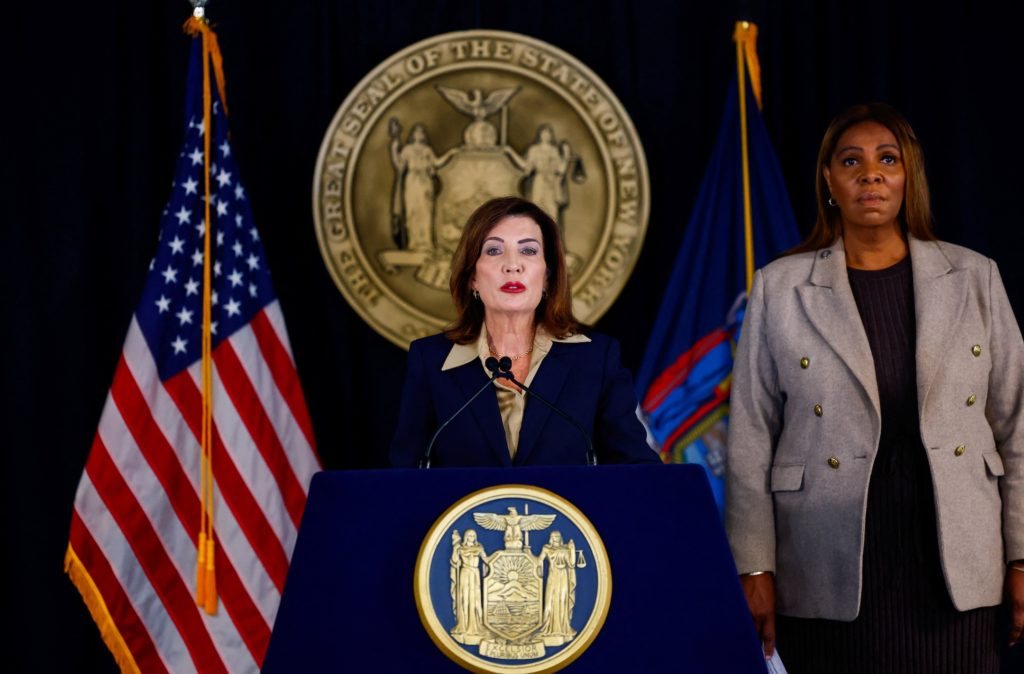
New York Governor Kathy Hochul has appointed state Attorney General Letitia James as a special prosecutor to take over the investigation of a reported rape at Cornell University, a move that shifts the high-profile case away from local authorities and into the hands of the state's top law enforcement office.
The appointment follows criticism of how the Tompkins County District Attorney and Cornell University police handled the initial investigation, which stemmed from a 2024 report of sexual assault. Hochul publicly denounced the conduct of both the district attorney and campus police, signaling a loss of confidence in their ability to pursue the matter. By designating James as special prosecutor, the governor effectively removes the case from the local justice system and places it under the oversight of the Attorney General's office, which has frequently intervened in politically sensitive matters.
James, who has built a national profile through aggressive legal action against powerful figures and institutions, now inherits a case that has drawn attention for its handling by local officials. The Attorney General's office has not yet outlined a timeline for its review, but the appointment grants James broad authority to investigate, potentially bring charges, and issue findings on the conduct of those who previously managed the case. The move also raises questions about the role of campus police in sexual assault investigations, particularly at elite universities where such cases often involve complex jurisdictional and privacy considerations.
The Cornell case centers on a reported assault in 2024, though details have remained limited due to the sensitive nature of the allegations. The decision to appoint a special prosecutor suggests that state officials believe the local response was inadequate, whether due to investigative missteps, conflicts of interest, or a failure to take the complaint seriously. Hochul's public rebuke of the district attorney and campus police underscores the political weight of the case, which intersects with broader national debates over how universities and local law enforcement handle sexual violence.
Advocates for survivors of sexual assault have long argued that campus police departments are often ill-equipped to investigate rape allegations, and that local prosecutors may face pressure to avoid pursuing cases against students at influential institutions. The involvement of the Attorney General's office could set a precedent for state intervention in similar cases across New York. It also places James in a delicate position, as she must balance the pursuit of justice with the legal rights of all parties involved.
The case has already attracted significant media attention, and the appointment of a special prosecutor is likely to intensify scrutiny of Cornell's handling of the report. University officials have not yet commented on the governor's decision, but the institution now faces questions about its cooperation with the investigation and its own policies for addressing sexual misconduct. The Attorney General's office is expected to review all prior actions taken by local authorities, including any evidence gathered and decisions made about whether to file charges.
Hochul's move comes amid a broader push in New York to strengthen protections for survivors of sexual violence and to ensure that allegations are investigated thoroughly, regardless of where they occur. By tapping James, the governor has ensured that the case will be handled by an office with significant resources and a track record of taking on difficult, high-stakes matters. The outcome could have implications not only for the individuals involved but also for how similar cases are treated at colleges and universities throughout the state.
As the special prosecutor, James will have the authority to empanel a grand jury, issue subpoenas, and ultimately decide whether to bring criminal charges. Her office may also examine whether Cornell police or the district attorney violated any laws or policies in their handling of the initial complaint. The investigation is ongoing, and no charges have been announced. For now, the case remains a focal point for those demanding accountability in how sexual assault allegations are addressed on college campuses and in local communities.
10