Clinton calls Canada's Carney possible «leader of the free world»
Hillary Clinton said Canadian Prime Minister Mark Carney may be the «leader of the free world» in a televised interview, a claim former officials and a White House spokesman quickly challenged.
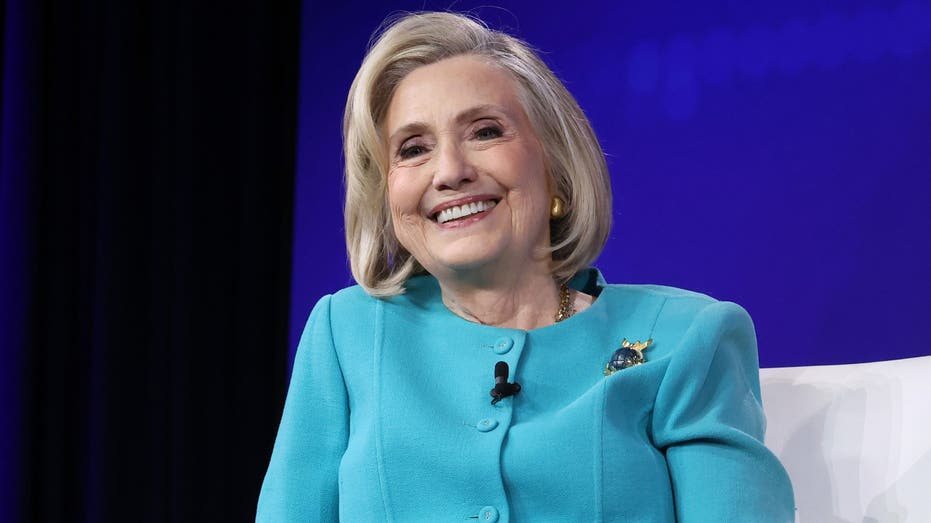
Former Secretary of State Hillary Clinton said Canadian Prime Minister Mark Carney may now be the «leader of the free world», a remark she made in an interview that aired Sunday on MSNBC with host Rachel Maddow. The interview was recorded at Temple Emanu-El in New York City. Clinton's comment drew immediate pushback, including from a White House spokesman who dismissed her criticism of President Donald Trump as bitterness over her 2016 election loss.
The remark comes at a time of strain between Washington and Ottawa. Relations between the two neighbors have been tested by Trump's talk of Canada becoming the 51st state and by tariffs imposed on Canadian goods. In the interview, Clinton argued that Europe has been too disorganized to fill the leadership gap she believes the United States has left, and she pointed to Carney as a figure who could step into that role. Former officials Morgan Murphy and Theo Wold later criticized the claim about Carney, questioning whether a Canadian leader could credibly be described in those terms.
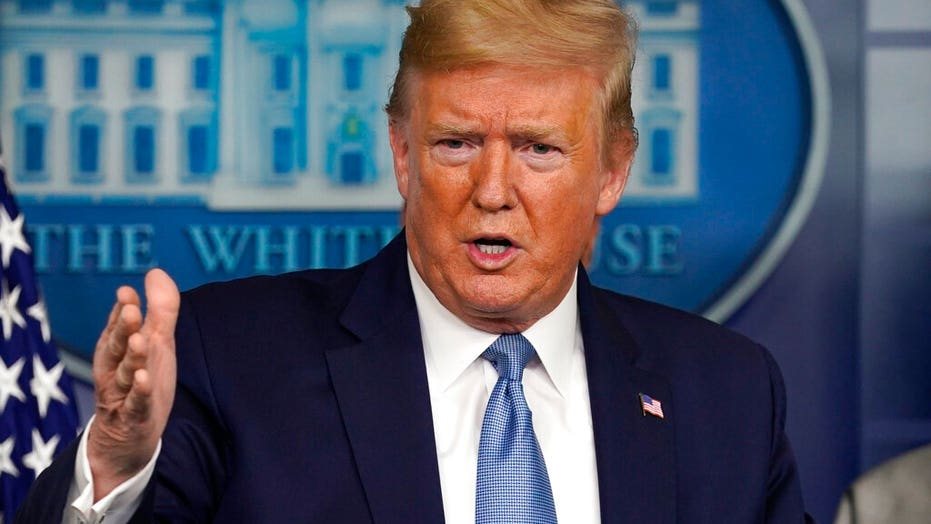
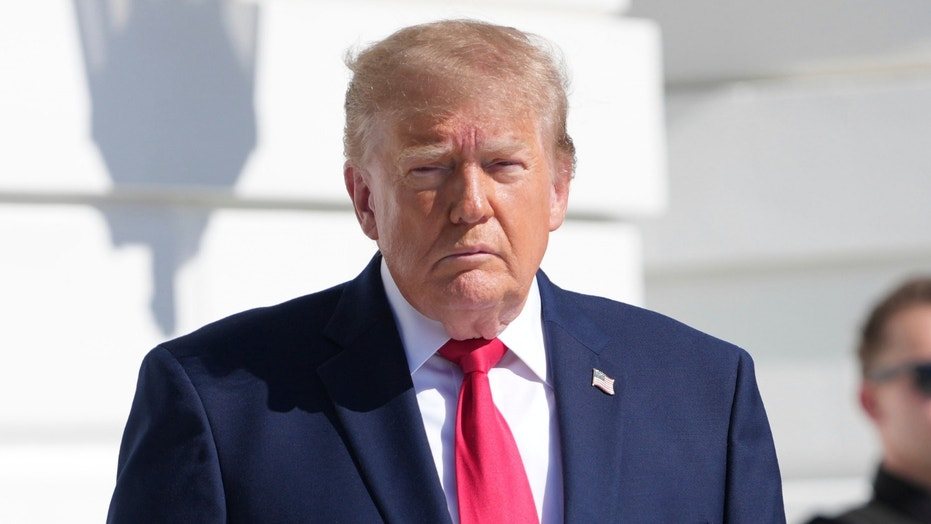
Clinton used the broader interview to press a range of foreign policy positions. She urged the release of $250 million in frozen Russian assets and warned that a victory for Marine Le Pen in France's presidential election would bring new problems for the continent. She also accused Trump of damaging the standing of the United States abroad, of admiring strongmen, and of tolerating Vladimir Putin and Xi Jinping. White House spokesman Davis Ingle rejected those criticisms, framing them as the grievances of a former candidate who lost the 2016 race.
Separately, a federal judge has struck down a Department of Homeland Security rule that would have limited how long foreign students could remain in the country. Judge F. Dennis Saylor IV ruled that the rule, which would have capped stays for F and J visa holders at four years and ended the practice known as duration of status, was arbitrary and capricious under the Administrative Procedure Act. He found that the department had ignored alternatives, such as making better use of the SEVIS tracking system, and that the rule conflicted with Congress's intent to encourage foreign study.
Education groups sued in August, and the Presidents' Alliance was among the plaintiffs challenging the policy. The ruling arrives as enrollment pressures mount: the Institute of International Education reports a 15 percent drop in new international enrollment this fall. Reporters Without Borders welcomed the decision as a protection for the visas of international journalists. The administration has defended stricter rules as a way to combat fraud and protect American jobs. Separate federal courts have also blocked the $100,000 fee on H-1B hiring, another policy the administration has pursued.
Source: foxnews.com
4