Pentagon prepares bases for 90-day isolation amid wave of cyberattacks
A month of cyberattacks, market turmoil, a spy scandal, and travel disruptions has left many Americans uneasy about whether the events are connected, while officials say the disruptions have distinct causes.
A string of cyberattacks, a sharp stock sell-off, a spy scandal at the top of the chip industry, and nationwide travel disruptions have left many Americans wondering whether the events are linked. The Pentagon has launched a plan to keep its bases running for 90 days without outside help, while officials and companies have attributed the individual incidents to separate causes, some of them not yet fully determined.
The Pentagon's FORTRESS initiative, launched on September 30, aims to ensure that military bases can operate for 90 days without outside support. The plan calls for portable nuclear reactors, battery storage, microgrids, and strategic reserves of fuel and supplies. The effort has drawn attention at a time when public concern about large-scale disruption has been growing.
Much of that unease traces back to what has been described as "Black October," a wave of cyberattacks that hit hundreds of companies and institutions worldwide. Among the named targets were the Federal Election Commission, Sony, John Deere, Oracle Health, and the State Bank of India. In Europe and at U.S. military bases, hackers reportedly tampered with freezers, raising temperatures enough to spoil food. France blamed the freezer hacks on Iran, which had vowed retaliation over the war. The U.K. government urged Britons to keep three days of food, water, and cash on hand in case of disruption.
Cybersecurity warnings have continued beyond those incidents. The National Security Agency flagged a vulnerability in PHP, a programming language used by nearly 70 percent of websites. Separately, North Korean hackers stole $6.3 billion from the cryptocurrency exchange Binance, the largest crypto heist on record.
Financial markets also came under pressure. On November 5, the Nasdaq 100 posted its worst day since March 2020. The sell-off coincided with a scandal involving Nvidia chief executive Jensen Huang, who admitted to an affair with a suspected Chinese spy; two affairs have been reported in total. Huang has since resigned as Nvidia's CEO, and no successor has been named. Analysts have raised concerns that the leadership vacuum could affect the company at a time when tighter chip-export rules are a live concern.
Political developments added another layer to the public mood. In the midterm elections, Democrats swept several Republican strongholds, and candidates skeptical of data centers won their races.
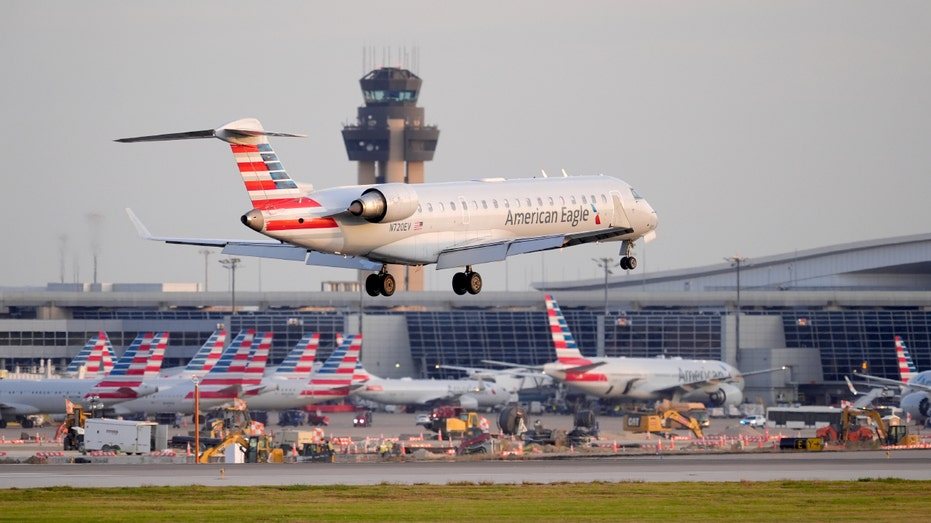
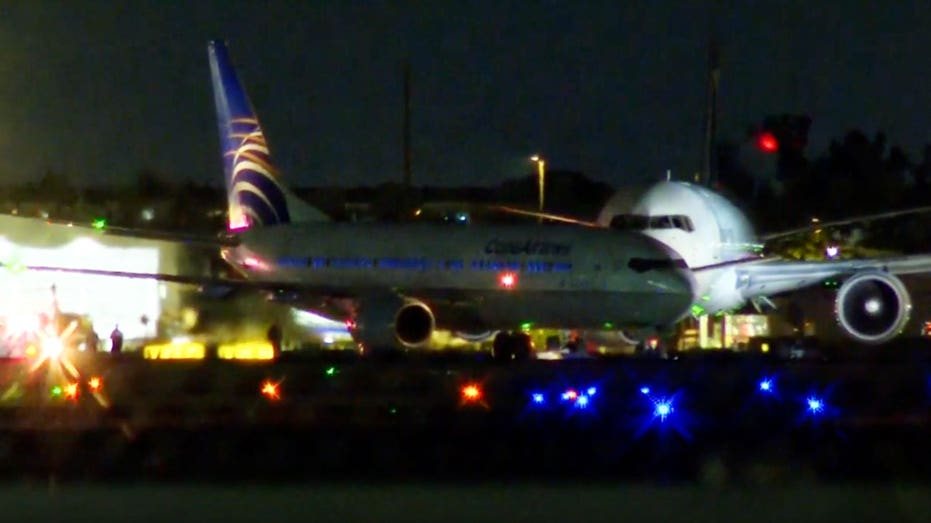
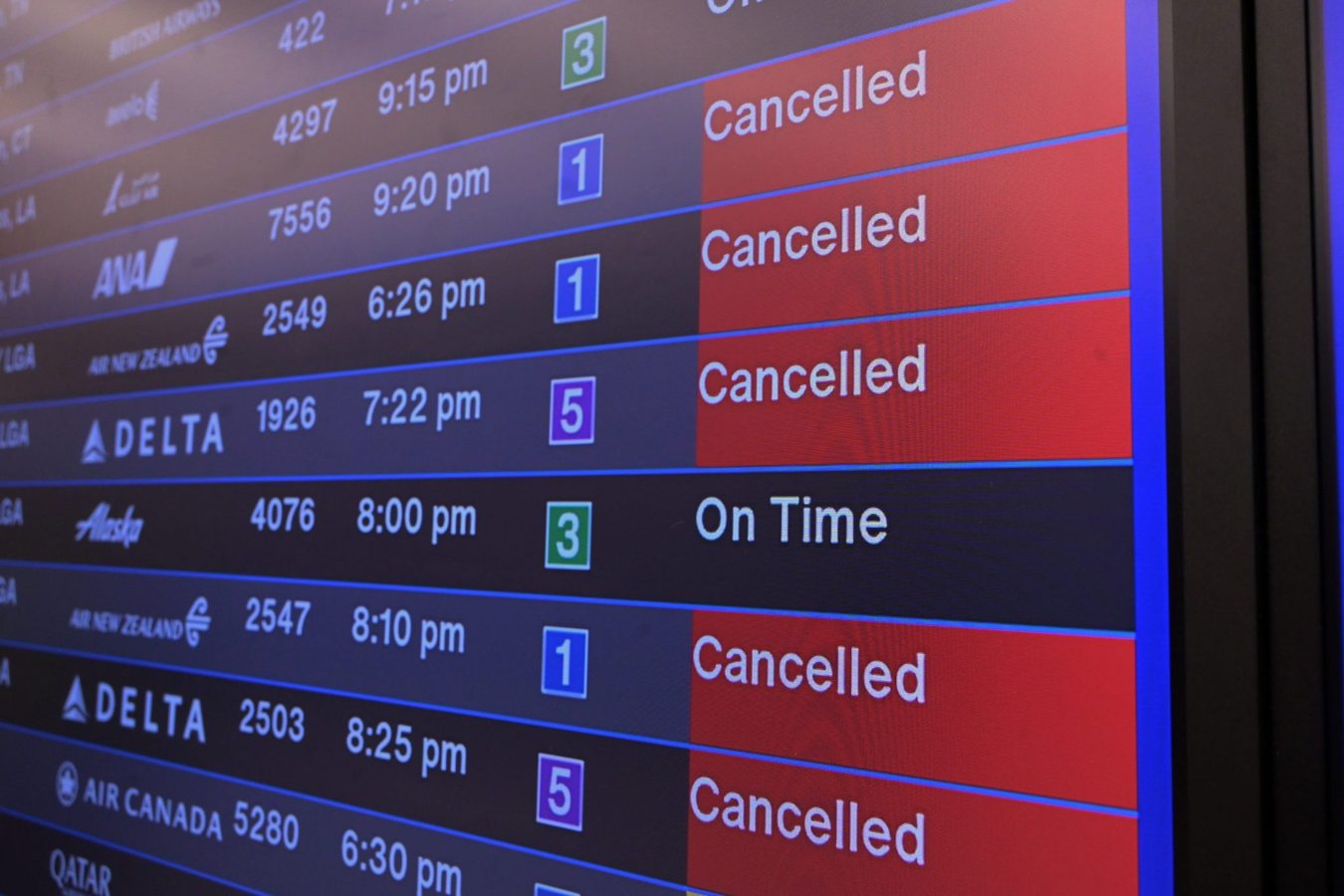
The disruptions also reached daily life. On Thursday, a Microsoft 365 outage affected users, and the company said the cause was a network capacity upgrade rather than an attack. On Friday, the Federal Aviation Administration grounded all U.S. flights. The agency attributed the stoppage to a copper-to-fiber upgrade in Arkansas, which left routers flooded with more than 1,000 connection attempts every few seconds. The ground stop lasted about four hours. Transportation Secretary Duffy said there were no signs of an attack but did not fully rule one out. The same day, a cruise ship overturned in New Orleans after colliding with a tanker.
Travelers and residents who lived through those events voiced fear that they were coordinated attacks, reflecting a broader anxiety that has spread since the cyberattacks began.
The unease is compounded by a separate report on a deadly incident earlier this year. Six U.S. soldiers were killed in a March Iranian drone attack in Kuwait. An Atlantic report says officers warned of Shahed-type drones before the attack, a claim the Pentagon disputes. The report says several of those warning officers were fired or forced into early retirement. Pentagon spokesman Parnell called the claims "disgusting," while survivors have disputed the military's defenses.
Source: fortune.com
5