Keiko Fujimori Officially Declared Winner of Peru’s Presidential Runoff
Peru’s top election authority certified conservative Keiko Fujimori as the winner of the presidential runoff, marking her fourth bid for the office amid rising crime and political instability.
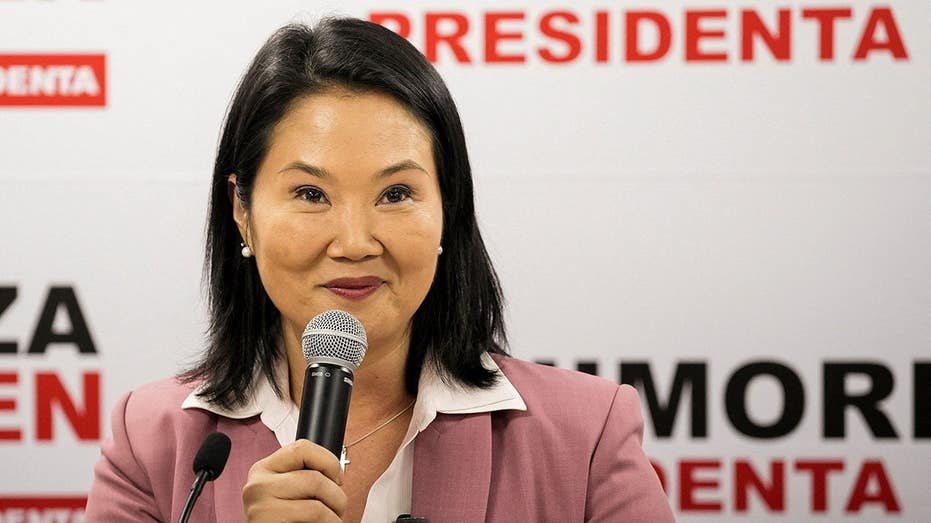
Conservative politician Keiko Fujimori, the daughter of former President Alberto Fujimori, was officially declared the winner of Peru’s presidential runoff election on Friday, capping a tightly contested race and setting the stage for her to become the country’s ninth president in a decade. Peru’s top election authority certified the results after a razor-thin vote count, with Fujimori securing 9,223,000 votes, or 50.14 percent of the total, against nationalist Congressman Roberto Sánchez, who received 9,173,000 votes, or 49.87 percent, according to The Associated Press.
Fujimori, 51, will take office later this month, marking her fourth attempt at the presidency following years of political turmoil in the Andean nation. In a post on X, she expressed gratitude to her supporters and outlined her vision for the transition period. “I receive with profound gratitude the trust that millions of Peruvians have placed in me. A new stage begins. We assume it with responsibility, humility, and a deep sense of duty,” she wrote. “Each day of this transition process is an opportunity to listen, engage in dialogue, and arrive prepared at the start of the new government.”
The election came amid widespread voter concern over surging crime, particularly extortion by violent organized crime gangs, which has shaken public confidence in the government’s ability to maintain order. Fujimori has pledged to adopt an “iron fist” approach to law enforcement, promising tougher measures to combat criminal networks that have expanded their influence across Peru in recent years. Her campaign focused heavily on restoring security and stability, resonating with voters weary of rising violence and economic uncertainty.
Fujimori’s victory also reflects the enduring and divisive legacy of her father, Alberto Fujimori, who governed Peru in the 1990s. He is credited with defeating the Shining Path extremist rebel group but later faced convictions for human rights abuses committed during that campaign and for corruption. His authoritarian turn and subsequent imprisonment have left a polarized political landscape, with supporters praising his tough-on-crime stance and critics condemning his abuses. Keiko Fujimori has sought to distance herself from some aspects of her father’s legacy while embracing his security-focused platform.
The U.S. State Department congratulated Fujimori on Tuesday, signaling a willingness to work closely with her incoming administration. “The Trump administration looks forward to deepening collaboration with the Fujimori administration to advance security cooperation and to strengthen bilateral cooperation on investment and trade in our region,” the statement read. This endorsement underscores the strategic importance of Peru as a partner in regional security and economic matters, particularly amid broader challenges in Latin America, including political instability in neighboring countries.
Fujimori advanced to the runoff after defeating 33 other candidates in the first round of voting in April, a testament to her enduring political base despite controversies surrounding her family’s past. Her victory comes at a critical juncture for Peru, which has seen a rapid turnover of presidents in recent years, with none completing a full term since 2016. The country faces significant challenges, including rebuilding public trust in institutions, addressing economic inequality, and managing the fallout from the pandemic.
As Fujimori prepares to assume office, analysts will be watching closely to see how she navigates these issues while balancing the demands of a deeply divided electorate. Her commitment to dialogue and listening during the transition period may offer a path toward greater political stability, but the road ahead remains fraught with obstacles. The certification of her victory marks the end of a contentious election cycle and the beginning of a new chapter for Peru, one that will test her ability to govern effectively in a volatile environment.
104