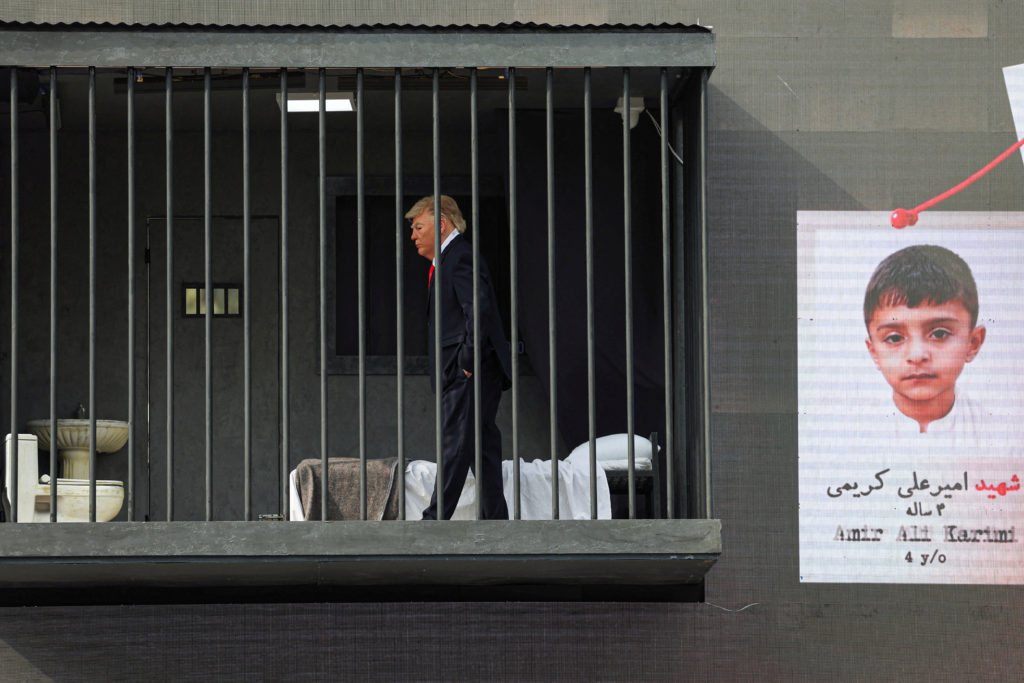
Iran War Escalates as US Strikes Target Critical Infrastructure
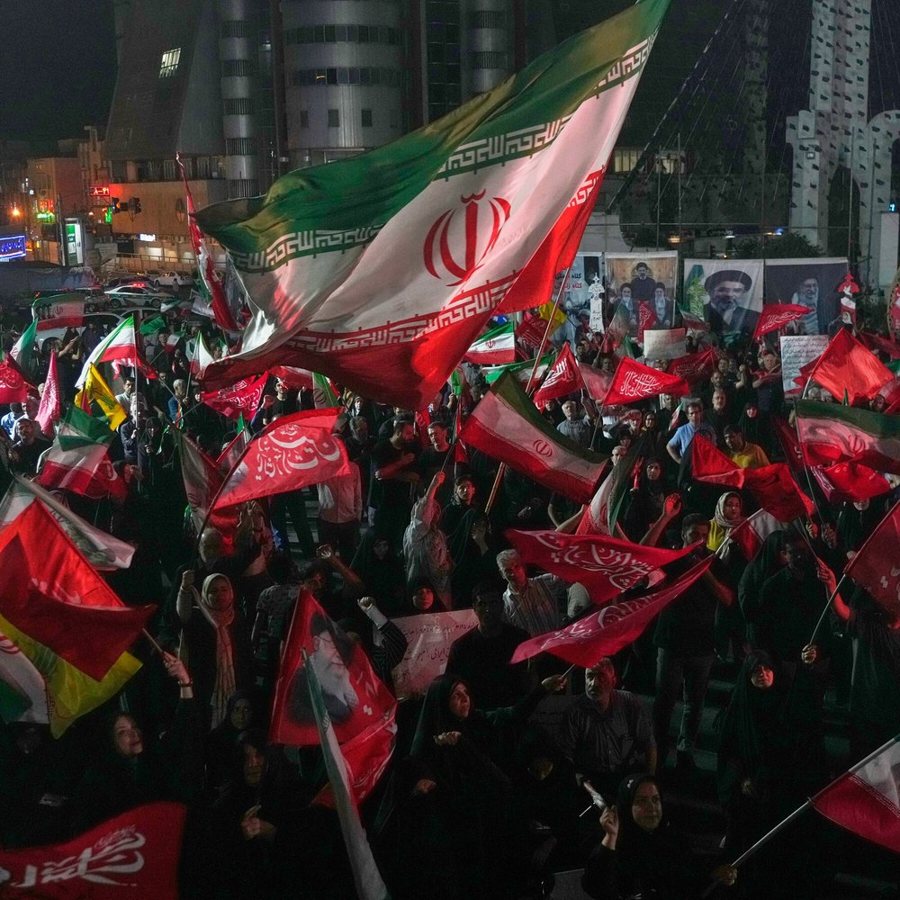
Pro-government demonstrations in Tehran mark the seventh consecutive night of US-Iran attacks, with strikes hitting critical infrastructure and casualties mounting.
The conflict between the United States and Iran has intensified dramatically, with American forces launching a fresh wave of strikes targeting critical infrastructure across the Islamic Republic. The attacks mark the seventh consecutive night of exchanges between the two nations, as the situation continues to deteriorate and casualties mount.
Pro-government demonstrators gathered at a square in Tehran on Friday, waving flags and chanting slogans in support of the regime, as the capital braced for further escalation. The rallies came amid reports that at least 50 people have been killed and more than 500 wounded in US attacks this month alone, according to Al Jazeera's live coverage of the conflict.
The latest US military operations have focused on what Pentagon officials described as strategic infrastructure, though specific targets have not been fully disclosed. The strikes represent a significant escalation in what began as a series of retaliatory actions and has now evolved into a sustained campaign against Iran's military and economic capabilities.
The conflict has drawn international concern, with humanitarian organizations warning of a growing crisis as civilian casualties rise and essential services face disruption. The targeting of infrastructure has raised fears of long-term damage to Iran's power grid, water systems, and transportation networks, potentially affecting millions of civilians.
Iranian state media reported that air defense systems were active across multiple provinces, attempting to intercept incoming missiles and drones. The reports described explosions heard in several cities, including the capital Tehran, Isfahan, and Shiraz, though the extent of damage remained unclear due to information controls imposed by authorities.
The United States has framed the strikes as necessary to degrade Iran's ability to threaten regional stability and protect American interests in the Middle East. The Trump administration has emphasized that the operations are targeting military installations and facilities used to support proxy forces across the region, rather than civilian areas.
However, the mounting death toll and the scale of destruction have prompted criticism from human rights groups and some international partners, who have called for restraint and a return to diplomatic channels. The United Nations has reportedly convened emergency sessions to address the escalating violence, though no concrete ceasefire proposal has emerged.
The conflict has also had significant economic repercussions, particularly in global energy markets. The Strait of Hormuz, a critical chokepoint for oil shipments, has become a focal point of the confrontation, with both sides signaling willingness to disrupt maritime traffic. Oil prices have surged as traders price in the risk of supply disruptions from one of the world's most important shipping lanes.
Regional powers have watched the escalation with growing alarm. Gulf states, already wary of Iran's influence, have sought to maintain neutrality while quietly coordinating with US forces on intelligence and logistics. Israel, a longtime adversary of Iran, has remained publicly cautious but is believed to be providing support to the American campaign.
Inside Iran, the government has sought to rally public support through a combination of nationalist rhetoric and repression. Friday's demonstrations in Tehran were carefully orchestrated, with state media broadcasting images of flag-waving crowds while downplaying the scale of the US attacks. Independent sources have reported widespread fear and anger among ordinary Iranians, many of whom are already struggling with severe economic hardship due to international sanctions.
The human cost of the conflict continues to mount. Hospitals in affected areas have reported being overwhelmed with casualties, and medical supplies are running low due to sanctions that restrict imports of pharmaceuticals and equipment. Aid organizations have appealed for humanitarian corridors to be established, but both sides have rejected calls for a pause in hostilities.
Military analysts have noted that the US campaign appears designed to systematically degrade Iran's military infrastructure, including missile production facilities, drone bases, and command-and-control centers. The strategy mirrors previous American operations in Iraq and Syria, though the scale and intensity of the current strikes are significantly greater.
Iran has retaliated with missile and drone attacks against US positions in Iraq and Syria, as well as targeting Israeli-linked assets in the region. The Islamic Revolutionary Guard Corps has threatened to expand the conflict if the strikes continue, raising the prospect of a wider regional war that could draw in multiple actors.
Diplomatic efforts to de-escalate the situation have so far failed to gain traction. European mediators have shuttled between Washington and Tehran, but the positions of both sides remain far apart. The US has demanded an end to Iran's nuclear program and support for proxy forces, while Iran insists on a complete cessation of strikes and the lifting of sanctions as preconditions for negotiations.
As the conflict enters its second week, the international community faces the urgent challenge of preventing further escalation while addressing the humanitarian crisis unfolding inside Iran. The coming days will be critical in determining whether the situation stabilizes or spirals into an even more devastating confrontation.
95