Fairfax County Refused 615 ICE Transfer Requests, Turned Over Only 11 Illegal Immigrants
Records obtained by America First Legal show Fairfax County, Virginia, declined to transfer 615 illegal immigrants to ICE over 16 months, turning over just 11, highlighting sanctuary policy impacts.
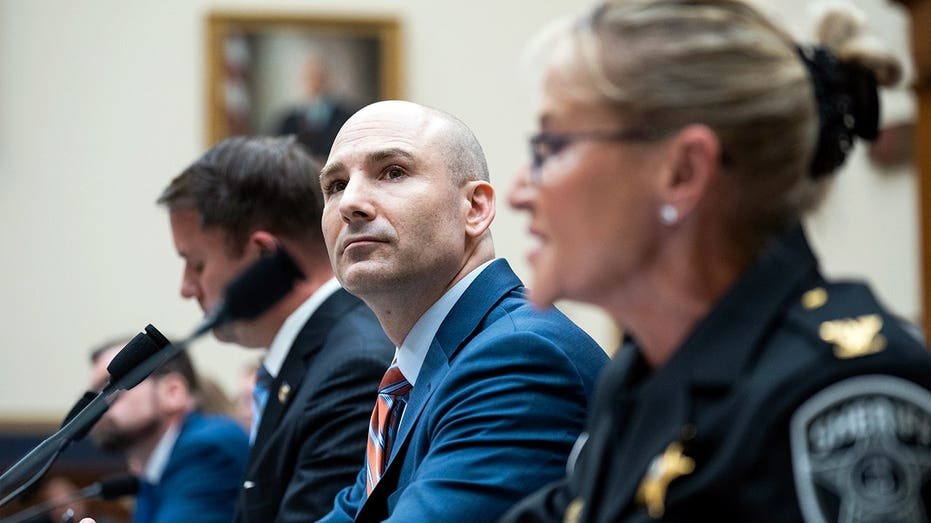
Fairfax County, Virginia, one of the most populous jurisdictions in the state, refused to transfer 615 illegal immigrants to U.S. Immigration and Customs Enforcement over the past 16 months while turning over only 11, according to records obtained by the conservative legal group America First Legal. The data, drawn from a Fairfax County Sheriff’s Office document, covers the entirety of 2025 and the first four months of 2026, revealing a stark pattern of noncompliance with federal immigration authorities.
In 2025, the sheriff’s office, led by Sheriff Stacey Ann Kincaid, declined to transfer 448 illegal immigrants to the Department of Homeland Security for processing, releasing only nine to ICE. During the first four months of 2026, the county refused another 167 transfer requests, turning over just two individuals. The county formally designated itself a sanctuary jurisdiction in 2021 after passing the Public Trust and Confidentiality Policy, commonly known as the Trust Policy, which bars law enforcement from honoring ICE civil detainers or assisting with federal immigration enforcement.
America First Legal placed significant blame on Fairfax County Commonwealth’s Attorney Stephen Descano, who testified alongside Kincaid at a contentious House hearing earlier this spring. Descano faced sharp questioning from Republicans over his prosecutorial discretion in cases involving illegal immigrants arrested in the county. The group argued that the county’s overall framework encourages recidivism by illegal immigrant offenders and has directly contributed to several high-profile crimes, including the murder of Fredericksburg, Virginia, resident Stephanie Minter. Her alleged killer is an illegal immigrant from West Africa with a lengthy criminal record in Fairfax County.
Descano is currently under investigation by the Justice Department’s Civil Rights Division over claims that his stated preferential policies effectively discriminate against U.S. citizens. Subcommittee Chairman Tom McClintock, R-Calif., highlighted these policies during the hearing. A spokesperson for Descano defended the prosecutor’s approach, calling the DOJ probe politically motivated and stating that the office’s policies are fair, legal, and reflect the values of Fairfax County. The spokesperson added that the notice appeared to arrive intentionally just before Descano’s testimony.
America First Legal counsel Will Scolinos rejected the county’s defense, asserting that tragic cases such as Minter’s murder are direct products of the Trust Policy, which shields hundreds of illegal aliens from federal law enforcement. Scolinos said the deliberate obstruction by county officials protects illegal alien lawbreakers and endangers every family in Northern Virginia. He called for an immediate reversal of what he described as reckless, anti-American governance.
In the most recent month recorded, April 2026, 32 illegal immigrants were listed as being in the sheriff’s office’s custody, with none released to ICE. All 32 were subject to an informed detainer, and three were listed as convicted. The numbers reflect a pattern that is expected to continue drawing scrutiny from the Trump administration and groups such as America First Legal, which has also sought data from sanctuary jurisdictions nationwide.
Similar trends have emerged in other sanctuary jurisdictions. Santa Clara County, California, informed America First Legal that it received 529 ICE detainer requests in 2025 and honored none. The group noted that if each detainer represents a unique illegal alien, an average of 1.34 arrested illegal aliens were released into Santa Clara every day. These figures highlight ongoing tensions between local sanctuary policies and federal immigration enforcement efforts.
Fox News Digital reached out to the Department of Homeland Security for comment but did not receive an immediate response. The data from Fairfax County underscores the broader national debate over sanctuary policies, which proponents argue protect immigrant communities and opponents contend undermine public safety and federal law. The issue is likely to remain a focal point for lawmakers and advocacy groups on both sides.
122