ESPN Parts Ways With Ryan Clark After Years of Controversy
ESPN has parted ways with NFL analyst Ryan Clark, a move that sources say was driven by a combination of high salary, audience unpopularity, strained internal relationships, and a series of negative headlines. The network is reportedly focusing on reducing internal friction and covering sports rather than political commentary.
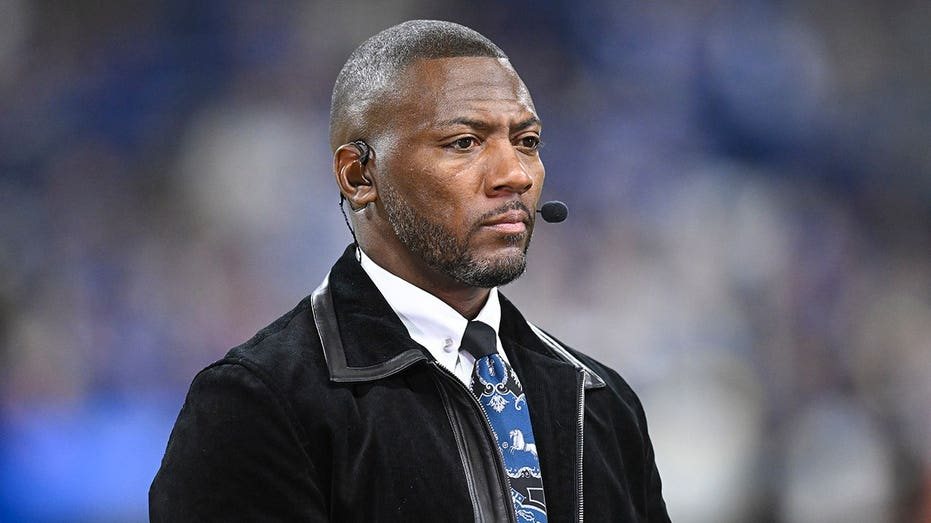
ESPN has parted ways with longtime NFL analyst Ryan Clark, a decision that sources say was driven by a combination of high salary, audience unpopularity, strained internal relationships, and a series of negative headlines over the past year. The network, which also laid off former NFL MVP Cam Newton as part of broader talent cuts, is reportedly shifting its focus toward covering sports rather than political commentary.
Clark, who earned approximately $2 million per year — roughly four times the average NFL analyst salary — had become a polarizing figure both inside and outside the network. According to sources, his on-air appearances led to a slight but noticeable dip in quarter-hour ratings during NFL-specific programming. His strained reputation among staffers and mixed relationships with on-air colleagues further complicated his position.
Over the past year, Clark generated a string of negative headlines for ESPN. He faced criticism for shaming former NFL quarterback Robert Griffin III for marrying a White woman, making dubious claims about police officers involved in a case that was ultimately ruled a suicide, and belittling NFL insider Peter Schrager — around whom ESPN is now building a new television show — because Schrager never played professional football. Clark also had a habit of injecting race into discussions where it was not relevant, according to multiple sources.
ESPN's decision to part ways with Clark is part of a broader trend at the network. In recent weeks, ESPN has also laid off Cam Newton, whose tenure was marked by controversial remarks about women with children, and has reportedly moved away from platforming commentators who focus on race and politics rather than sports. The network's current CEO, Jimmy Pitaro, has taken a different approach from his predecessor, John Skipper, who actively promoted commentators with little sports experience but a willingness to discuss social and political issues.
According to sources inside ESPN, the network's preferred direction is straightforward: elevate people who enjoy sports and want to cover them, rather than those who create unnecessary controversy, internal friction, and negative publicity. This shift has been interpreted by some media observers as a move away from so-called "woke" programming, but insiders say the motivation is simpler — ESPN is trying to eliminate headaches, regardless of political affiliation.
Clark's departure has drawn reactions from former colleagues and media commentators. Jemele Hill and Emmanuel Acho have argued that Clark was a central reason for the success of ESPN's "NFL Live" show, but sources say he was merely a rotational contributor. The network is now building around personalities like Peter Schrager, Pat McAfee, and Rece Davis, who are seen as less controversial and more focused on sports.
The layoffs at ESPN are not limited to Clark and Newton. Other notable departures include Elle Duncan, Bomani Jones, Mark Jones, and David Dennis Jr., each of whom had generated negative headlines or internal friction. According to multiple sources, the network is still evaluating its on-air talent and may make further cuts in the coming months.
For now, ESPN's message is clear: the network wants to cover sports, not politics. Whether that strategy will succeed in retaining viewers and advertisers remains to be seen, but for Ryan Clark, the decision has already been made.
112