
ESPN Insider’s Comments Reveal Why Many Americans Distrust the Media
Sports-media columnist Andrew Marchand inadvertently exposed the inner workings of access journalism when he explained why he sat on a story about ESPN parting ways with analyst Ryan Clark. His account, along with comments from radio host Dan Patrick, highlights how reporters may trade timely reporting for access to institutions, eroding public trust in the press.
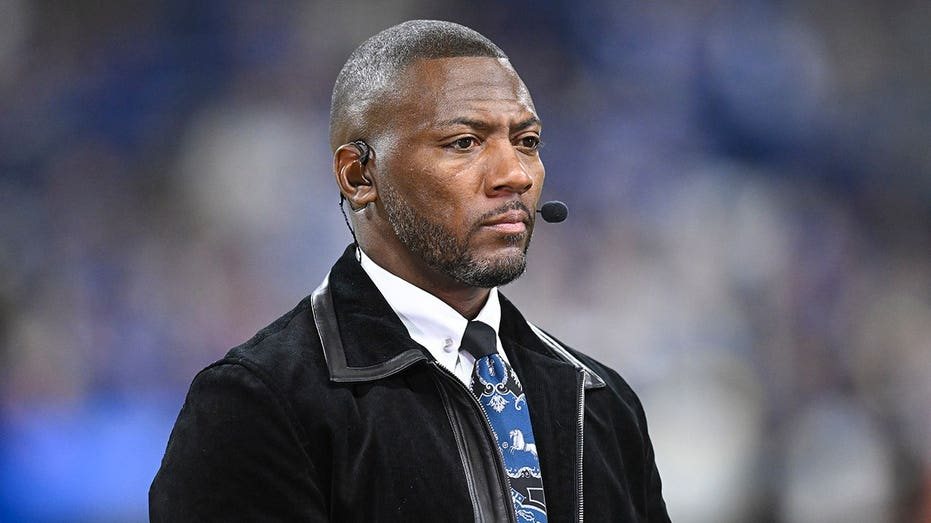
Sports-media columnist Andrew Marchand, writing for The Athletic, a New York Times–owned outlet, sought to defend his reporting practices while discussing ESPN’s decision to part ways with NFL analyst Ryan Clark. Instead, his explanation inadvertently laid bare a central reason why many Americans distrust the press. Marchand advised fellow reporters to « write what you know, not what you think, » but then revealed that he had known about Clark’s imminent departure for months — and deliberately withheld the information.
On his own podcast, Marchand claimed he had anticipated Clark’s exit since February and had « a story prepared in February. » He said he received a « very strong indication » about a week before ESPN let Clark go. Yet he did not publish. Why? « Like others, you want to allow ESPN to tell him first, » Marchand explained. He eventually reported the news only after the story became « competitive, » meaning another outlet was about to publish. The account was meant to showcase his journalistic responsibility, but critics argue it instead demonstrated how insider journalism can prioritize institutional relationships over the public’s right to timely information.
The issue goes beyond Marchand. Legendary sports radio host Dan Patrick recently raised a similar concern about ESPN’s Adam Schefter. After the San Francisco 49ers disclosed that head coach Kyle Shanahan had suffered serious injuries in a car accident 11 days earlier, Schefter posted the news just one minute later. Patrick questioned whether ESPN had known earlier but waited until the team authorized release. « This isn’t journalism. Not really reporting, » Patrick said. « They’re giving you the information … [then] ‘Okay, now you can tell everybody.’ » Patrick did not prove ESPN had sat on the story, but he identified what he called the « central problem with the modern insider economy »: the public value of privately knowing something is undermined when the institution decides when the public may know it.
The Marchand-Clark case illustrates the pattern with concrete detail. OutKick reporters Bobby Burack and the author of the original article developed separate lines of reporting that ESPN was preparing to part with Clark, corroborated by four sources. They contacted ESPN at 4 p.m. ET on a Monday, giving the network an hour to respond. ESPN asked for a 45-minute delay to « chase this down. » OutKick declined but offered to include any comment. Shortly after, Clark was pulled from the show « NFL Live, » and at 4:49 p.m. ESPN said OutKick could « stick to » its original timeline. Fourteen minutes later, Marchand published a two-paragraph report with a typo. OutKick’s more detailed story followed one minute after that.
Marchand later told Puck’s John Ourand, « ESPN knew, I knew, » adding that the network was trying to keep the decision « close to the vest. » He said another outlet — clearly OutKick — called ESPN with the information and intended to publish. That forced ESPN to inform Clark immediately rather than risk him learning online. Marchand then rushed his story and boasted of reporting it first. His own timeline shows he intentionally waited on ESPN and published only when forced. The result undermines the claim that such behavior serves the public good; it instead resembles public relations masquerading as journalism.
While reporters should consider the human consequences of publication — such as giving an employer time to notify an employee — the practice becomes problematic when it routinely defers to institutions. The incident has sparked broader debate about access journalism, where reporters cultivate close relationships with sources but may sacrifice independence and speed. As trust in media continues to decline, episodes like this reinforce the perception that many journalists act as conduits for powerful organizations rather than as watchdogs for the public.
96