Nvidia Pushes Ahead Without Jensen Huang as Earnings Beat Forecasts
Nvidia reported record quarterly revenue on its first earnings call without co-founder Jensen Huang, who resigned amid personal scandal. Interim CEO Colette Kress signaled a more disciplined approach to the investments that have fueled the AI boom.
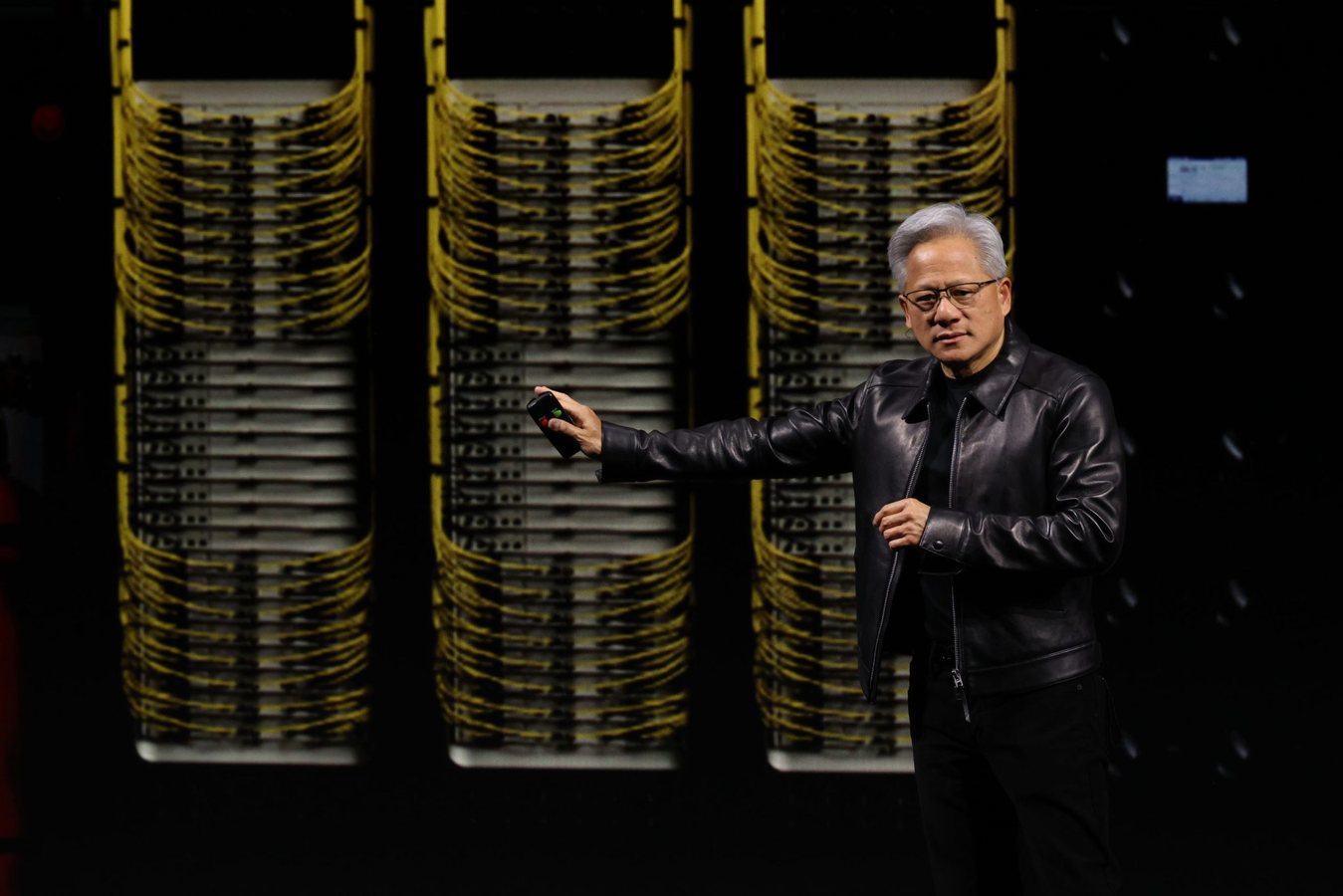
Nvidia reported $115.8 billion in quarterly revenue on Tuesday, more than double its level a year earlier, and guided to about $130 billion for the current quarter. The results came on the first earnings call since co-founder Jensen Huang resigned as chief executive, showing that the chipmaker's business can keep running without the man who built it. Shares nonetheless slipped after the report, and the company's dependence on its former leader remains a central question for the broader artificial intelligence industry.
Huang stepped down on November 12 after 33 years in charge, under pressure from the board. The departure followed a scandal that unfolded over about two weeks. Reports emerged that U.S. officials believed Huang had been romantically involved with Alice Huang, no relation, a former executive at Singapore neocloud Megaspeed whom they suspected of being a Chinese intelligence asset. Huang admitted to staff that he had been unfaithful to his wife. The New York Times then reported a second affair, with a Nvidia executive who had reported directly to him. Congress summoned him, federal agencies opened investigations, and the board moved to replace him.
The abrupt exit exposed how much the company rested on one person. Nvidia had no president, no chief operating officer and no obvious second-in-command. The board named chief financial officer Colette Kress as interim chief executive, though few observers expected her to keep the job permanently. Pressure to bring Huang back came from some corners of the technology world, where industry figures worried that some of his deals might leave with him. Huang himself posted that he would be honored to return. On the day of earnings, however, board chair Harvey Jones said Nvidia did not intend to reinstate him.
Huang's influence extended well beyond the company's balance sheet. He was Nvidia's most effective lobbyist in Washington, had close ties to President Donald Trump, and was a relentless critic of export controls. Within days of his resignation, the Commerce Department moved to close a loophole that allowed Chinese firms to rent access to U.S. chips through overseas data centers, the kind of business Megaspeed is suspected of running. Analysts will be watching whether Nvidia's policy posture shifts without him at the table.
The investment strategy Huang championed is also under scrutiny. Nvidia has poured money into startups, AI labs and cloud companies, and those companies in turn use much of that money to buy Nvidia chips. Critics call this circular financing and argue it leaves much of the AI boom exposed to weak links. Under Huang, Nvidia acted as something like the AI industry's central bank, investing nearly $50 billion in model makers including OpenAI, Anthropic and xAI, and pledging around $170 billion in financing commitments. Kress signaled a change in tone on the earnings call, saying the company would be more disciplined and rigorous in evaluating future investments, commitments and guarantees as the market matures and other sources of capital become available.
Kress also struck a confident note with investors. She said the company was proud of the role it had played in supporting the ecosystem so far, and when asked whether the business could manage without its founder, she told investors, “We've got this.” Whether the companies most dependent on Nvidia chips can keep thriving on the same terms is a harder question. The earnings suggest the fundamentals of the business Huang built can stand on their own. The bigger test is whether the AI boom he helped popularize can hold its momentum without the figure who had become its most visible salesman.
Source: fortune.com
29