Bill Gurley warns career-track college grads face high risk from AI automation
Venture capitalist Bill Gurley says AI is attacking office jobs once considered safe, and that workers who chased stable careers without a clear sense of purpose are most exposed to disruption.
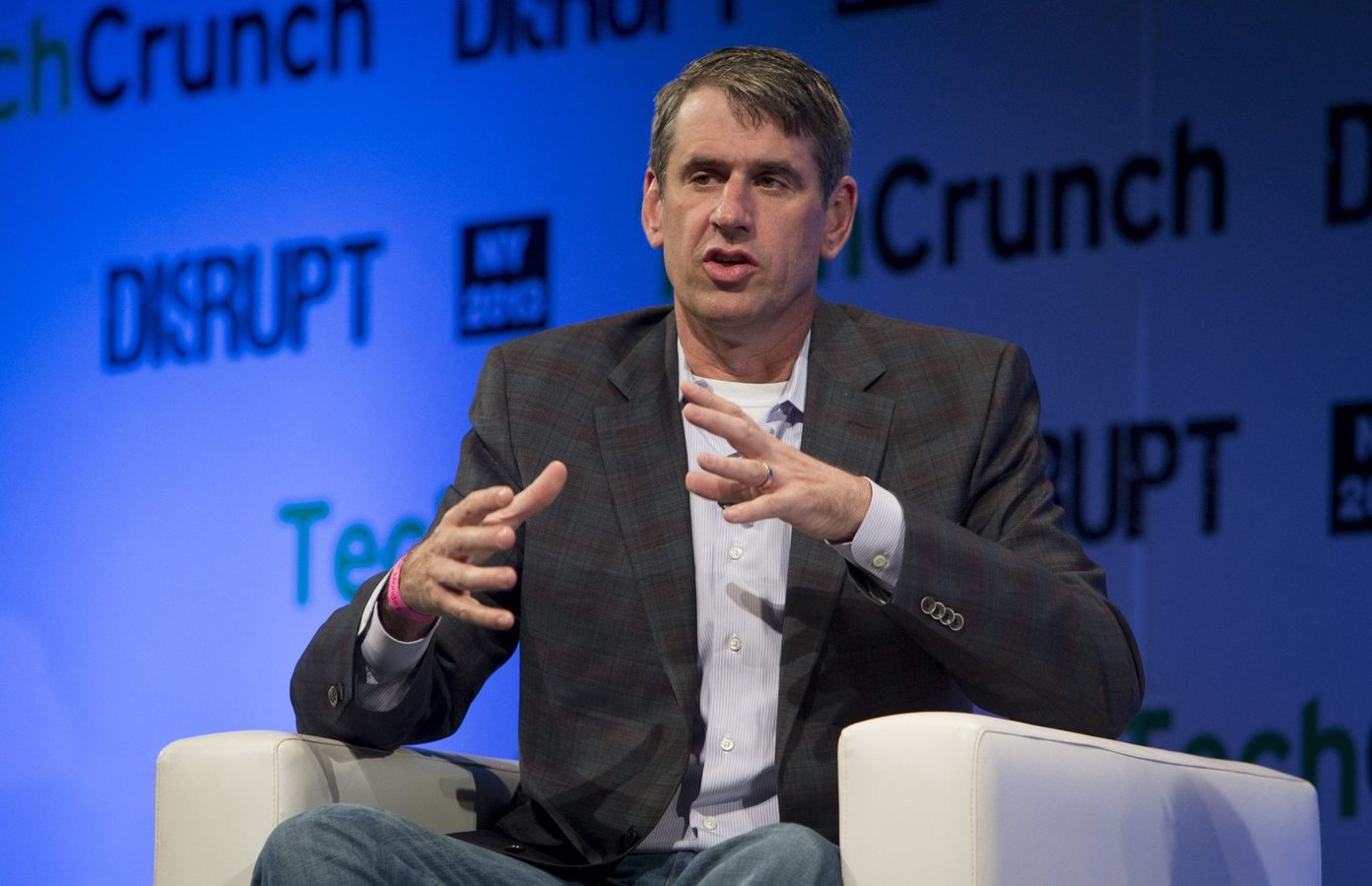
Venture capitalist Bill Gurley is warning that workers who followed the traditional path of good grades, an elite university and a safe, high-paying job may be among the most vulnerable to artificial intelligence. Speaking on the On with Kara Swisher podcast earlier this year, the Benchmark Capital general partner said AI is moving quickly into white-collar work that had previously been insulated from automation, and that the pace of change is creating widespread anxiety among professionals.
"This is new and fast, and it's attacking jobs that haven't been attacked in the past," Gurley said. "It's creating a lot of anxiety, but I don't know that we can put it back in the bottle." Gurley, known for early investments in Uber and Zillow, is skeptical that government could pass effective AI regulation or carry out a large-scale reskilling effort that would keep pace with the technology. He pointed to lawyers and software engineers, roles long regarded as stable and lucrative, as examples of jobs now being automated.
In Gurley's view, the workers most at risk are those who lack a sense of purpose in their jobs. "The people that are most at risk are the ones that are sitting idly in the job and don't really have a why or a purpose for it," he said. He described people who passed through what he called the "college conveyor belt" and chased a safe job, ending up as a "widget or a cog" in an industry they did not love, as "ripe for disruption."
Gurley acknowledged that changing course is easier said than done. His recommended approach is to "craft your own career path" built around an individual's distinct skills. For those who cannot switch sectors or become self-employed, he suggested that AI can serve as career "jet fuel," making workers more effective and harder to replace. "If it's out of your control, I just would say understand what it's capable of in your industry and be the most AI-aware person in your job," he advised. "You're going to then be the last person that they want to get rid of."
Gurley's comments extend beyond automation to the way young people are guided toward college and careers. His newest book, Runnin' Down a Dream, argues that pursuing work one is passionate about is a strategic advantage rather than sentimental advice. He has also questioned how young professionals are trained to approach higher education, noting that children today are "programmed from a time perspective" more than previous generations. Students increasingly worry about building a stacked résumé from an early age, and some colleges now require applicants to name a major in advance. Gurley argued that these pressures can channel young people into a professional path too quickly, leaving them little room to explore what they might enjoy.
He believes that dynamic contributes to widespread disengagement at work, a group he says is especially susceptible to disruption. "There seems to me to be somewhat of a problem out there in that people aren't landing where they're passionate about what they're doing," Gurley said. "I don't think it's anyone's fault, but I think we've turned the college matriculation process into this pressure cooker."
Other business leaders have voiced similar views. Former LinkedIn CEO Ryan Roslansky said during a fireside chat at the company's San Francisco office last year that the future of work no longer belongs mainly to people with the fanciest degrees or the best colleges. He predicted that the workers most likely to find jobs and succeed are "the people who are adaptable, forward thinking, ready to learn, and ready to embrace these tools," adding that this opens the playing field in a way not seen before.
Fei-Fei Li, a Stanford professor and CEO of AI startup World Labs, who is often called the "Godmother of AI," also stressed practical technology skills. She advised professionals to quickly equip themselves with AI tools, saying being tech-savvy on the job matters more than anything else. Taken together, the comments point to a shared message from technology leaders: in an era of rapid automation, passion for one's work and fluency with AI tools may count for more than credentials alone.
Source: fortune.com
20