Michigan Senate Candidate Abdul El-Sayed Faces Scrutiny Over Socialist Economic Agenda
Abdul El-Sayed, a Democratic Senate candidate in Michigan, is drawing criticism for his socialist-backed platform that includes aggressive antitrust enforcement and regulation of successful companies, raising concerns among business advocates.
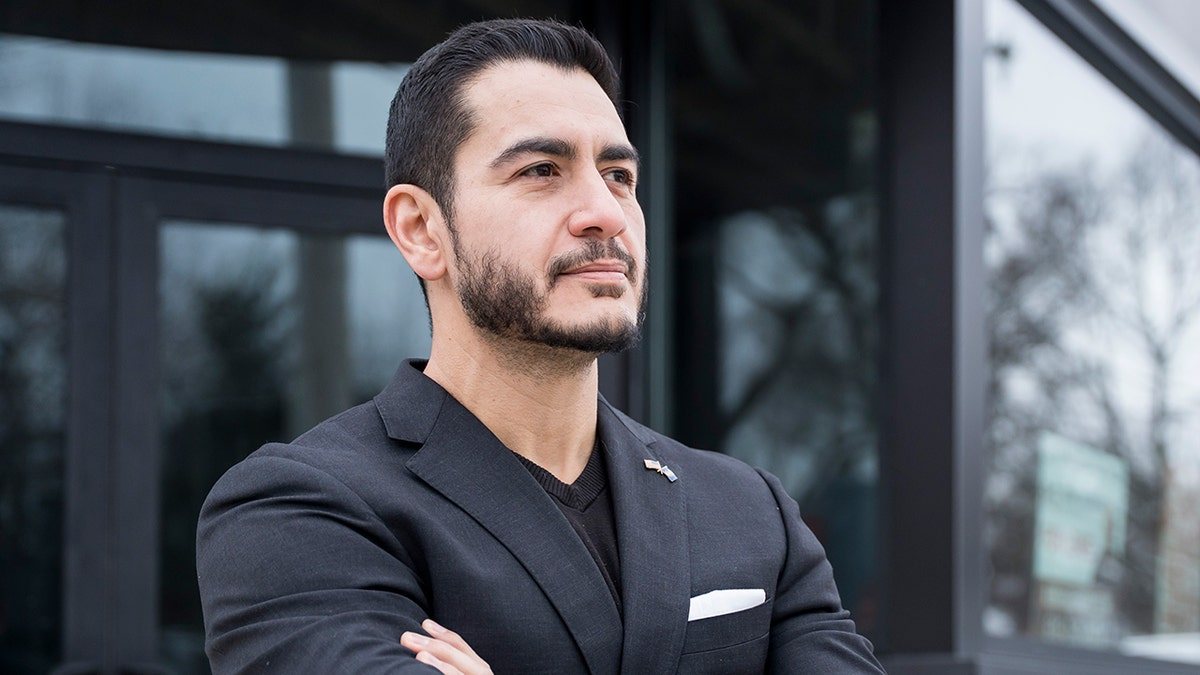
Abdul El-Sayed, a Democratic candidate for the U.S. Senate in Michigan, is facing increased scrutiny over an economic platform that critics say treats business success as suspect and could stifle innovation. El-Sayed, who has secured endorsements from prominent figures such as Senator Bernie Sanders and Representative Alexandria Ocasio-Cortez, is running on a platform that includes a muscular Federal Trade Commission and new regulations on large technology companies. His candidacy has reignited debates over the influence of the Democratic Socialists of America within the party, especially in a key battleground state ahead of the August primary.
El-Sayed has advocated for policies that align closely with the agenda of Lina Khan, the former FTC chair under President Joe Biden who became known for aggressive antitrust enforcement. Khan’s tenure was marked by high-profile investigations and lawsuits against major tech companies, which critics argue created uncertainty for businesses and harmed economic growth. El-Sayed has echoed Khan’s call for what he describes as a «muscular» FTC, and his campaign has drawn directly from her anti-business orthodoxy. This stance includes support for the American Innovation and Choice Online Act, a bill that would impose European-style regulations on companies that reach a certain financial threshold. The legislation, which has failed to advance in previous Congresses, has been revived this summer and is seen by detractors as punitive toward successful American businesses.
In addition to his policy positions, El-Sayed has faced accusations of hypocrisy. While he has criticized high earners and corporate wealth, his own income in 2025 placed him in the top one percent of earners. His wife reportedly operates a medical practice that does not accept Medicare or any insurance, despite El-Sayed’s vocal support for a Medicare for All system. These contradictions have been highlighted by opponents, including former Chicago Mayor Rahm Emanuel, who warned that the DSA agenda does not resonate beyond progressive strongholds. El-Sayed’s campaign has also run ads linking him to New York City Mayor Zohran Mamdani, a self-described democratic socialist, further solidifying his ties to the socialist movement.
The Senate race in Michigan is seen as a critical contest in the 2026 midterm elections. The state has historically been a bellwether for national political trends, and the outcome of the Democratic primary could shape the party’s direction on economic policy. If nominated, El-Sayed would likely face a Republican opponent in a general election that Democrats view as challenging due to the current political environment. Business groups and free-market advocates have expressed concern that his platform would harm Michigan’s job creators, particularly in industries such as manufacturing and technology. The state’s economy, already navigating disruptions from artificial intelligence and global competition, could be further affected by policies that discourage investment and innovation, critics argue.
Supporters of El-Sayed maintain that his approach is necessary to curb corporate monopolies and protect consumers. They point to rising inequality and the concentration of power among a few large companies as evidence that stronger regulation is needed. The candidate himself has framed his campaign as a fight against «corporate oligopoly» and has promised to restore competition in the marketplace. Nevertheless, the debate over his economic agenda highlights a broader ideological divide within the Democratic Party between its progressive and moderate wings. As the primary approaches, El-Sayed’s ability to balance his socialist credentials with the concerns of Michigan’s working- and middle-class voters will be closely watched.