US-Canada Trade Deficit Driven by Midwest Refineries' Reliance on Alberta Crude
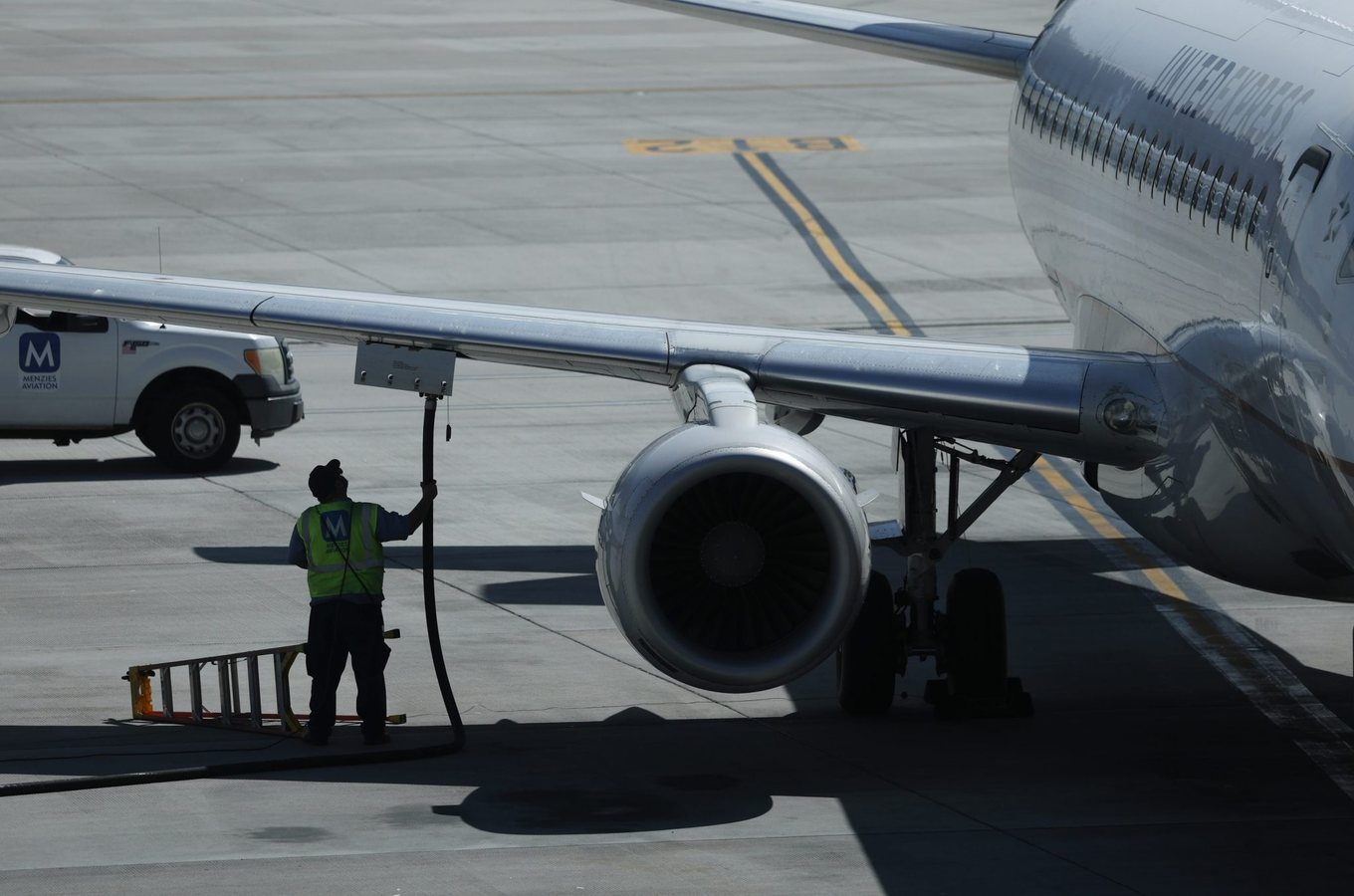
The US trade deficit with Canada, a frequent target of President Trump's criticism, is largely explained by American imports of heavy sour crude oil from Alberta that Midwest refineries are specifically configured to process, often at a discount to benchmark prices.
The United States' persistent trade deficit with Canada, a recurring point of contention in Washington, is driven primarily by a single commodity: crude oil from Alberta's oil sands. American refineries in the Midwest are designed to process heavy sour crude, and Canadian oil is the only viable feedstock for them, making the deficit a function of energy logistics rather than unfair trade practices.
Canada exported more than $85 billion worth of crude oil to the United States in 2025, according to trade data. That flow accounts for the bulk of the overall US trade deficit with its northern neighbor, which stood at $27.3 billion last year. The deficit has drawn sharp criticism from President Donald Trump, who has argued that Canada is cheating the United States and has threatened to pull out of the US-Mexico-Canada Agreement he signed in 2018.
But trade experts say the oil imports are not a sign of exploitation. Midwest refineries require heavy sour crude, a type of oil that is denser and higher in sulfur than the light sweet crude produced in Texas. Alberta's oil sands are one of the few sources of heavy sour crude accessible to these refineries. «It's the only oil they can use,» said Barry Appleton, co-director of New York Law School's Center for International Law. «They can't use Texas crude. They can't use Venezuelan crude. They're not set up for it. It would take years and billions of dollars to shift over.»
Moreover, the Canadian oil is sold to the United States at a discount to the benchmark US crude price, meaning American refineries and consumers benefit from lower costs. The discount reflects transportation and quality differences, but it also means the trade deficit figure overstates the economic imbalance.
The broader trade relationship between the two countries is far more balanced than the deficit suggests. Canada is the largest buyer of US goods, and most American products enter Canada duty-free under the USMCA. Before the latest round of tensions, Canada's effective tariff rate on US imports was about 2.4%, less than half the 5% rate the United States imposed on Canadian goods, according to Oxford Economics. Canada's trade is equal to 64% of its economic output, compared with 25% for the United States, and the conservative Heritage Foundation ranks Canada as the 14th most economically free country out of 184, while the United States ranks 22nd.
Still, Canada does protect certain sectors, most notably dairy. The country imposes tariffs of more than 200% on most dairy products once they exceed a quota, a system designed to shield its politically sensitive dairy industry from competition. Leonard Polzin, a dairy markets specialist at the University of Wisconsin, said American producers are so efficient that if Canada opened its market completely, «we would dump so much product there's no way they could remain as a viable industry.»
Despite that protection, US dairy exports to Canada rose more than 11% last year, following an 8% increase in 2024, according to the US Department of Agriculture. The United States runs a dairy trade surplus with Canada, exporting $1.3 billion worth of dairy products last year while importing just $585 million. President Trump claimed on social media Tuesday that «Canada doesn't let our Great Dairy Farmers sell into the Canadian Market,» a statement that is contradicted by the USDA data.
Relations between the two countries have deteriorated sharply since trade talks collapsed on August 21. Trump has imposed 50% tariffs on $20 billion worth of Canadian products, citing discrimination against US auto, dairy, and alcoholic beverage exports. Canada retaliated with tariffs of its own on Tuesday, prompting the president to ban imports of whey, most alcoholic beverages, and motorcycles and mopeds from Canada. He later said several products, including toilet paper, bedsheets, and fishing rods, would be removed from the tariff list.
The dispute has also taken a personal turn. Trump has repeatedly floated the idea of making Canada the 51st state and last month signed an executive order directing the federal government to rename Lake Ontario as «Lake America.» The moves have alienated the Canadian public and complicated any path to a negotiated settlement.
For now, the oil trade continues, driven by the physical requirements of Midwest refineries and the discount on Canadian crude. Any attempt to reduce the deficit by curtailing those imports would likely raise energy costs for American consumers and require years of costly refinery modifications. As Appleton noted, «They're not set up for it.»
76