
Tight Mortgage Standards Lock Out Buyers With Good Credit as Home Sales Head for 31-Year Low
A Pew Charitable Trusts study finds post-crisis lending rules now require near-pristine credit, shutting out borrowers with scores of 600-699 even as mortgage rates climb to 6.76% and existing home sales fall for a third straight month toward their weakest year since 1995.
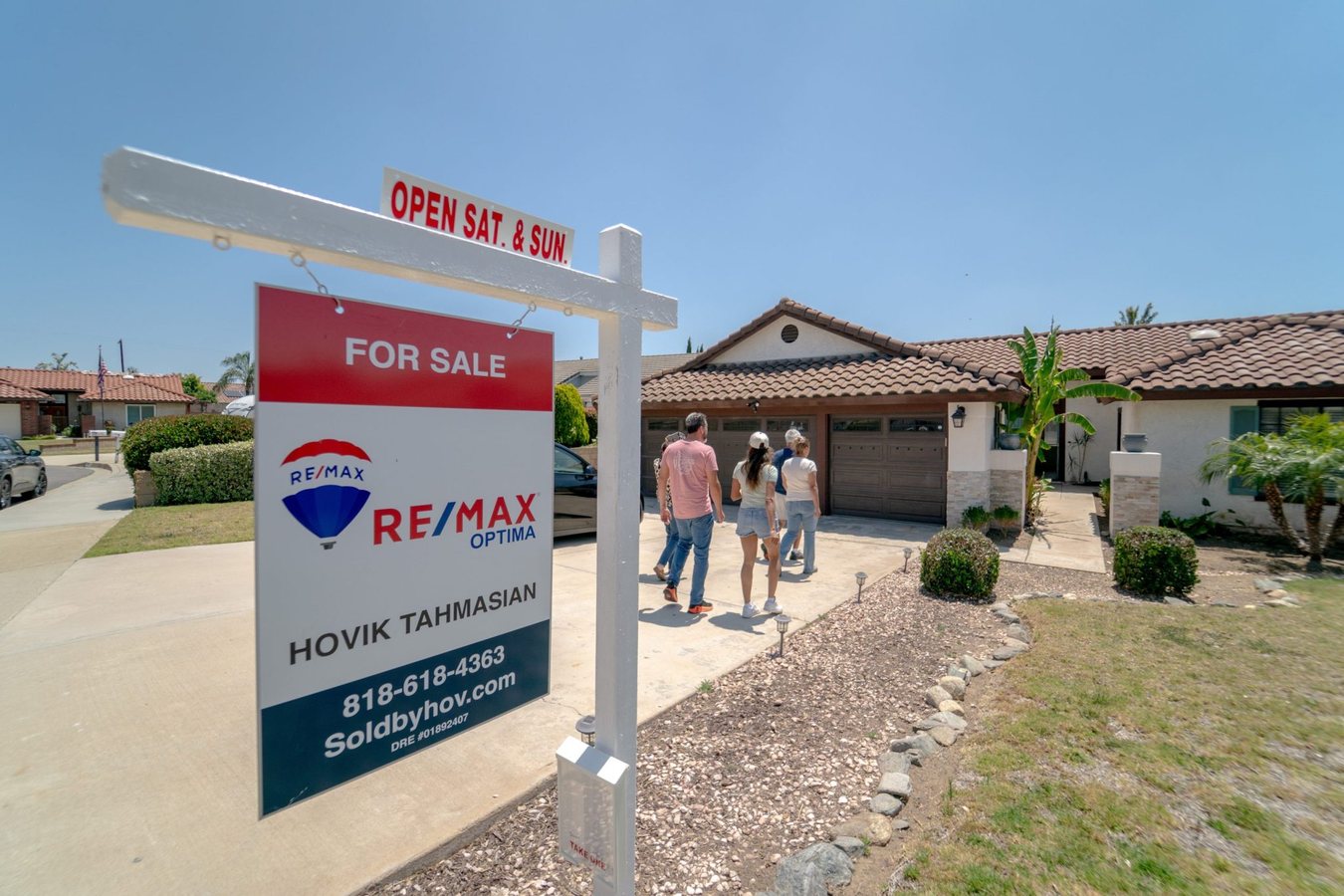
Mortgage lending standards have become so strict that homebuyers now need what one researcher calls a «pristine» credit history to qualify, according to a study from the Pew Charitable Trusts, and the tightening is colliding with rising borrowing costs and falling sales in a housing market already frozen by high prices and limited supply.
The study, authored by Adam Staveski, a principal associate with Pew's housing policy initiative, found that lending to borrowers with moderate credit scores has collapsed over the past two decades. From 2005 to 2024, the share of mortgage originations going to borrowers with a credit score between 600 and 699 fell by 13.3 percentage points, landing at 22.3%. Over the same period, the share going to Americans with scores of 700 or higher jumped by 24.9 percentage points.
«Although borrowers now take on more debt as a share of their income than ever before, they must have a pristine credit history to be approved for a loan,» Staveski wrote. He noted that credit scores inherently reward borrowers with long credit histories and adequate financial cushions, producing a close correlation between scores and age, income, and wealth. The result, according to the study, is that the tighter lending environment disproportionately affects young adults entering the housing market, lower-income families, rural communities, and Black and Hispanic households.
The rules driving those outcomes were put in place after the housing crash that sparked the Great Financial Crisis. They reined in excesses of the boom, including the abuse of «liar loans» that required little proof of income, and they helped push default rates to historic lows. Just 4% to 5% of delinquent borrowers now default, down from 55% in the early 2000s, a decline also aided by loss-mitigation tools such as forbearance, loan modifications, and payment deferrals.
But Staveski argues the pendulum has swung far enough that some would-be buyers are excluded for reasons unrelated to their ability to pay. «Although some of these potential borrowers might not be financially prepared to take out a mortgage, others are excluded because of a thin or nontraditional credit history, or because the federal government's credit standards are historically high,» he wrote. «While tighter standards have made the mortgage market safer, they have also made it harder for some qualified individuals to achieve homeownership.»
The market data offers little sign of relief. The benchmark 30-year fixed-rate mortgage rose to 6.76% from 6.71% the previous week, according to mortgage buyer Freddie Mac, up from 6.35% a year earlier and the highest level since June 2025. The National Association of Realtors reported that sales of existing homes fell 2% from July to a seasonally adjusted annual rate of 3.98 million units, the third consecutive monthly decline and a 1.2% drop from a year earlier.
Thomas Ryan, senior North America economist at Capital Economics, said in a note that mortgage rates will almost certainly climb above 7% as the 10-year Treasury yield reaches its highest level since 2023. He added that his firm's projection of existing sales averaging 4.1 million this year now looks slightly optimistic, with transactions more likely to average closer to 4 million — which would be their weakest annual outturn since 1995.
Taken together, the Pew findings and the latest market figures describe a housing sector caught between two forces: lending rules designed to prevent a repeat of the last crash, and financing costs that have made affordability a challenge even for buyers who clear those rules. Staveski's research suggests the credit standards themselves now function as a barrier, not just a safeguard, for a broad swath of Americans who might otherwise qualify.