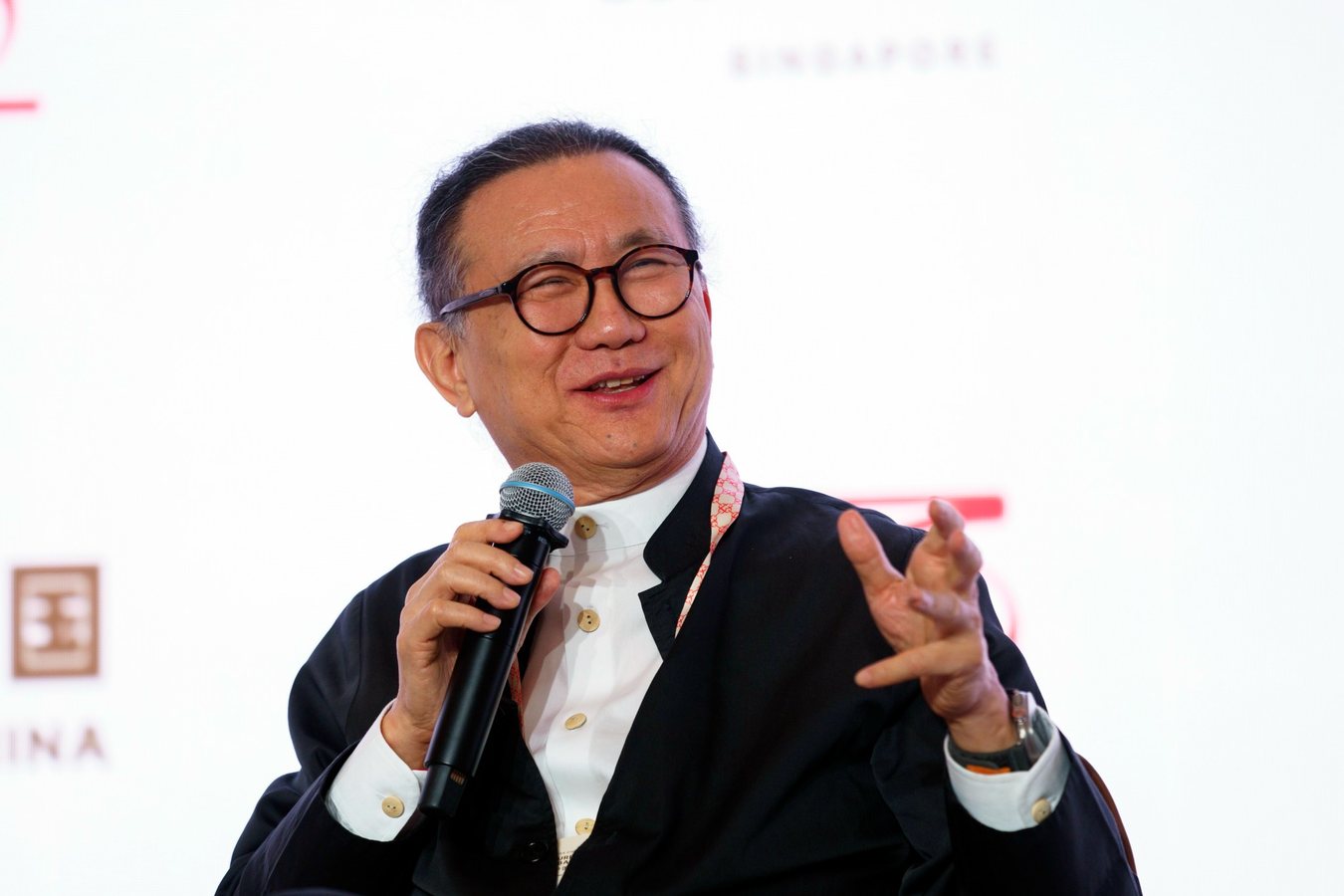
FedEx CEO Raj Subramaniam steers company through ‘reglobalization’ and post-founder era
FedEx CEO Raj Subramaniam discusses how the company's vast data network reveals shifting global supply chains, the challenges of leading after founder Fred Smith's death, and the ongoing transformation of the $95 billion logistics giant.
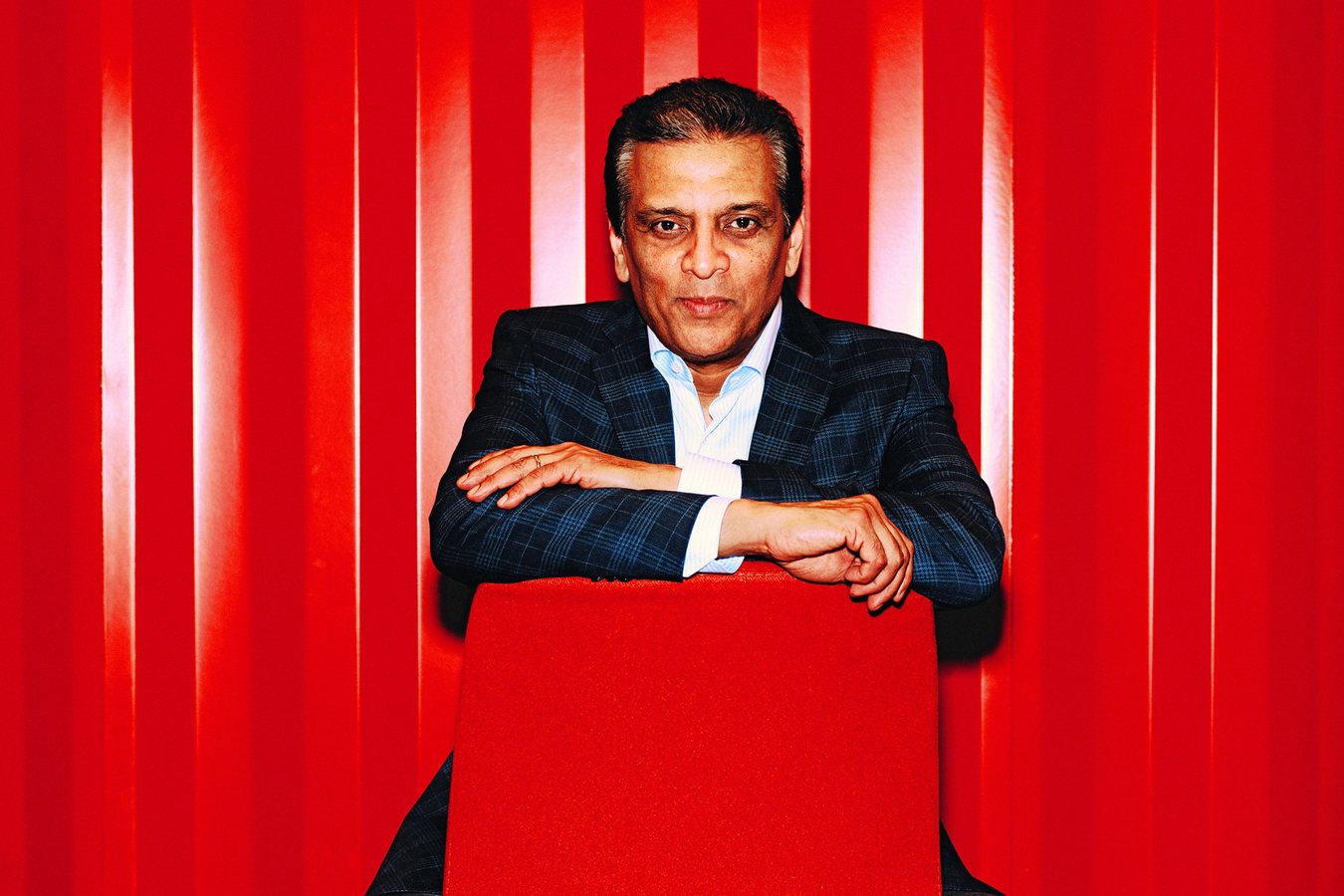
FedEx CEO Raj Subramaniam is watching the global economy reorder itself in real time, and the data flowing through his company’s network tells the story. FedEx moves roughly 18 million packages daily and generates two petabytes of data every day, connecting 3 million shippers to 225 million consumers across 220 countries and territories. Subramaniam calls the company “the referendum on global supply chains,” a position that has given him a front-row seat to the geopolitical shifts triggered by tariffs and the war in Iran.
“I’ve been doing this for 35 years, and I’ve never seen a change in one year like we’ve seen in 2025,” Subramaniam said in a June interview at FedEx headquarters in Memphis. The data shows U.S. imports declining while exports rise, alongside rapid growth in Latin America, Southeast Asia, and India. Subramaniam has coined a term for the shift: “reglobalization.” He describes the moment as a transition between equilibrium states, with supply-chain patterns fundamentally changing as the world moves from one economic order to another.
Subramaniam is navigating this external transformation while also leading FedEx through an internal one. In June 2025, founder Fred Smith died at age 80, leaving Subramaniam — the second CEO in the company’s 53-year history — without the mentor who groomed him for the top job. Subramaniam, who took the reins in 2022 after serving as president and chief operating officer, acknowledges the weight of following a legendary founder. “I always say that I can see far because I’m standing on the shoulders of a giant,” he said.
The transition was not easy. Subramaniam found himself inundated with requests and demands from all sides, forcing him to say no frequently. To stay focused, he created his own CEO job description and key performance indicators, one of which was to guard the culture Smith built. He recalled telling Smith that technology, people, and acquisitions might change, but the FedEx culture would not. “That’s why I came to work here in the first place,” he said. “That’s a special thing.”
That culture is being tested as FedEx undergoes a multiyear transformation internally dubbed “DRIVE.” Initially designed to cut structural costs by billions over four years after a pandemic-era business hangover, the effort now encompasses three simultaneous restructurings. The first merges the FedEx Express and Ground networks into a single U.S. network. The second is a digital transformation leveraging the company’s daily data output and artificial intelligence to create FedEx Dataworks, an additional product line for enterprises. The third is an organizational revamp to support the other changes. Subramaniam also recently spun off the trucking business, FedEx Freight, which began trading on the New York Stock Exchange on June 1.
Dataworks illustrates how the company’s people-driven culture can spark innovation. In late 2019, a young employee sent Subramaniam an unsolicited white paper about turning FedEx’s proprietary data into a valuable product. Subramaniam placed a team of about eight people in a downtown Memphis building to build the infrastructure. When artificial intelligence took off, the data product became, in his words, a “no-brainer.” Dataworks has since struck partnerships with Dun & Bradstreet and ServiceNow.
Transforming an organization as large as FedEx is not easy. Revenue grew 8% to $94.7 billion in the fiscal year ending in May, but Subramaniam still needs to prove he can expand margins through sustainable growth rather than cost-cutting alone. He credits Smith’s foundation for preparing the company for this moment. “The great thing is that change has always been part of our culture,” Subramaniam said, adding that he sees little choice in the matter. “If you don’t like change, you’re going to hate extinction.”
89