Twilio CEO Says Job Candidates Who Don't Ask Questions or Overuse 'I' Won't Get Hired
Twilio CEO Khozema Shipchandler conducts 45-minute dinner interviews for senior hires and treats a lack of questions and excessive use of 'I' as major red flags, offering a window into how top executives screen for curiosity and collaborative leadership.

Twilio CEO Khozema Shipchandler has a clear message for job seekers aiming at senior roles: the final dinner interview can make or break your candidacy, and two habits will sink it fast. In an exclusive interview with Fortune, Shipchandler said the biggest red flag is a candidate who, when invited to ask questions in the last 15 to 20 minutes of a 45-minute dinner, has nothing to say.
«The number one red flag for me is when someone doesn't ask questions towards the end of an interview,» Shipchandler said. He added that a blank stare or a casual «Nope, I'm fine» signals a lack of curiosity about the company, the role, the culture, and the chemistry between the candidate and the team. For Shipchandler, that absence of questions is a significant mark against a candidate, not a minor oversight.
The second warning sign comes earlier in the conversation. Shipchandler listens for how often a candidate says «I.» Leading every story with «I» or «when I was in charge of» can backfire, he said, because it suggests the person is not a team player and may not understand what real leadership requires. «I don't really think that demonstrates leadership particularly well,» he explained. «What I do is easy because people are supposed to listen to me. I can bark orders and ideally they follow them. But the hard leadership is when you're not in charge.»
That harder form of leadership, he said, is about persuading people through data, passion, charisma, and argument rather than authority. Shipchandler uses the dinner setting to test for exactly that quality, especially with senior hires whose qualifications are already established. «They've already got all the qualifications at that point. The question is, is there chemistry? Are we going to work well together?» he said. He also wants to see whether the conversation can move beyond business. «It's got to be fun too, not just all business,» he added, noting that outside interests and personal rapport matter.
The stakes are high for candidates because the dinner interview is often the last hurdle. Shipchandler typically reserves the 45-minute meal for senior roles, and he uses the final stretch to hand the floor to the candidate. When that moment arrives and the candidate draws a blank, it can undo weeks of preparation and multiple rounds of interviews.
Career experts say the lesson extends beyond the CEO's table. Jenn Bouchard, former global head of talent at Meta and now chief people officer at the creative agency Figure 8, told Fortune that failing to ask questions is a deal-breaker at any level because it signals disinterest. «An interview is a two-way experience,» she said. «As much as I'm getting to know the candidate, I also want them to be curious about getting to know the role, the company, the culture, even the team that they might be walking into.»
Bouchard recommends preparing questions in advance rather than relying on inspiration in the moment. Among the questions that have impressed her: What is the hardest problem the team is trying to solve? What has the team not been able to solve, and why? What are the team's top three strengths, and how would this person add to them? What has leadership recently implemented based on employee feedback?
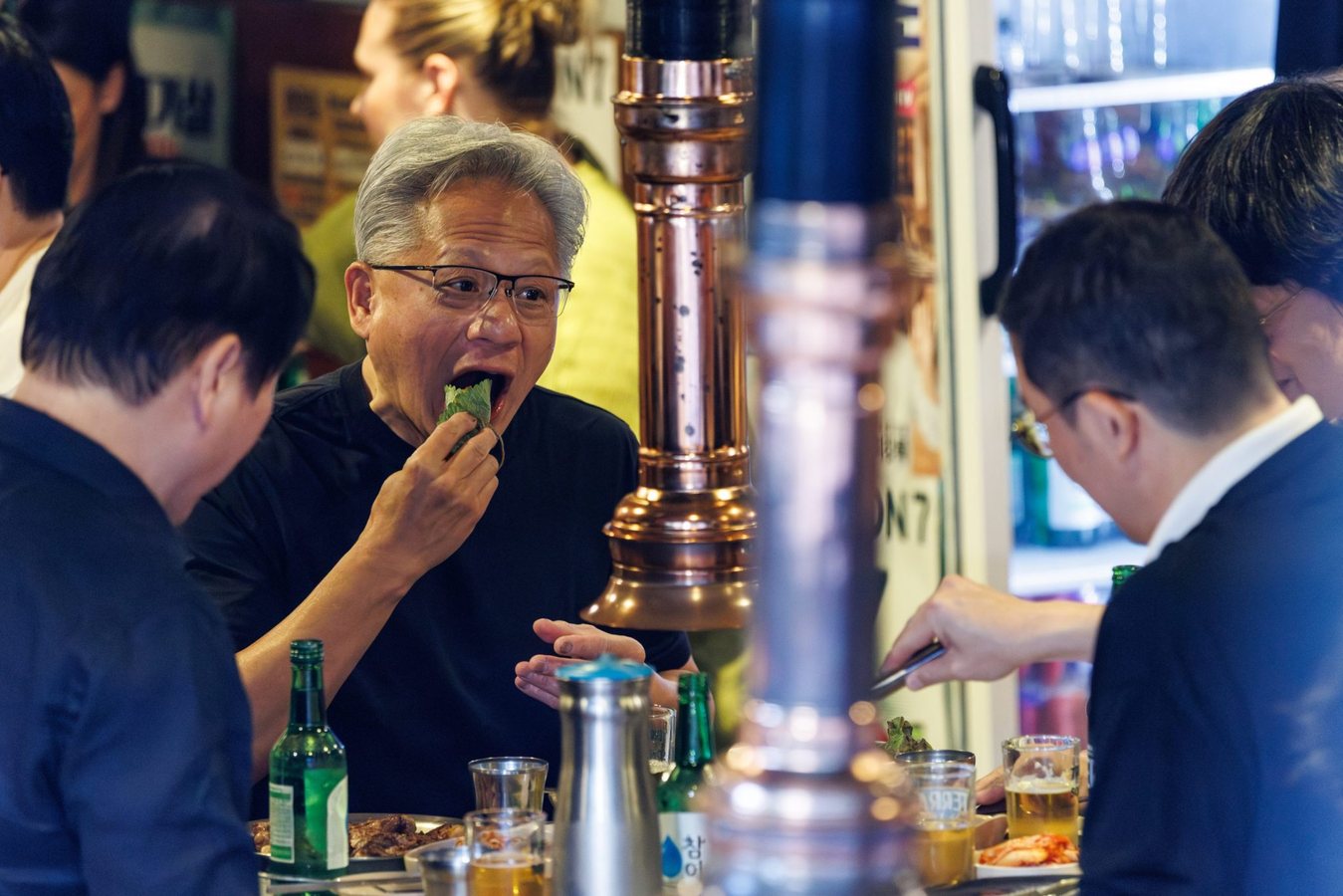
Shipchandler is not alone in using a meal to assess more than answers. Recruiters say dinner interviews can reveal how quickly a candidate orders, whether they wait for others to sit before eating, and how expensive the dishes they choose are. One boss reportedly refuses to hire anyone who salts food before tasting it, seeing it as a sign of impatience. A consultant has described a CEO who would take candidates to breakfast and secretly ask servers to mess up the order to see how they reacted.
For Shipchandler, the dinner is less about trickery and more about fit. The qualifications are a given by that stage. What remains is whether the person is curious, collaborative, and capable of leading without leaning on a title. Candidates who talk only about themselves, or who have nothing to ask when given the chance, are unlikely to make it past the meal.
5