Nvidia's $5.6 Trillion Empire Still Makes Employees Pay for Lunch
Nvidia is the world's most valuable company, but its workers still pay for cafeteria meals and snacks. The chipmaker instead offers discounted stock, a perk that has soared more than 1,000% in five years.
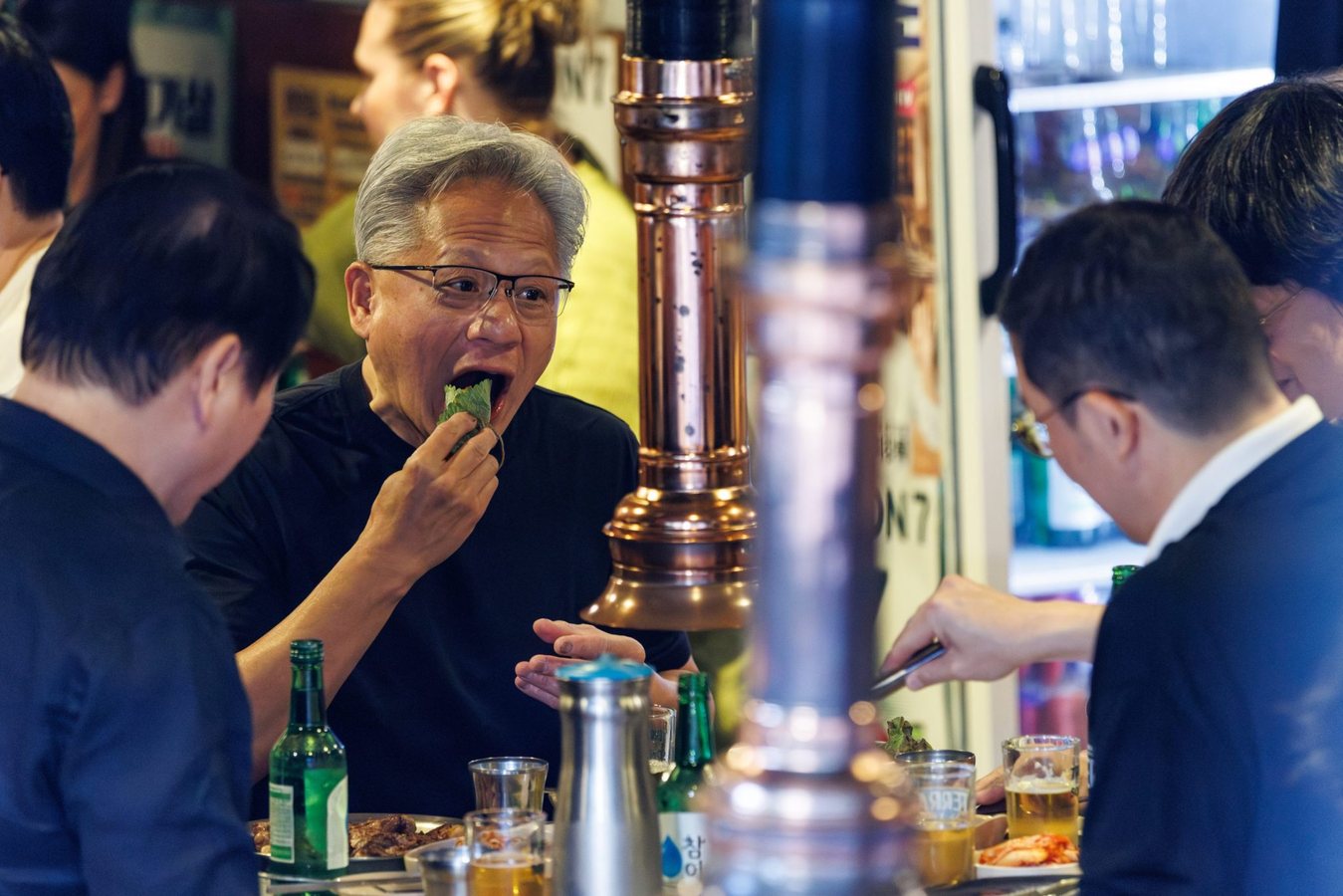
Nvidia has become the most valuable company on the planet, with a market capitalization of $5.6 trillion, but its employees still have to reach for their wallets when they visit the company cafeteria. The chipmaker at the center of the artificial intelligence boom, led by CEO Jensen Huang, does not provide the free meals that have long been a signature perk at other Silicon Valley giants such as Google, Apple, and Amazon.
According to Gergely Orosz, a software engineer and author of The Pragmatic Engineer newsletter, snacks and coffee at Nvidia's Santa Clara, California headquarters are not free. Orosz described the policy in a June thread on X after a visit to the campus, noting that paying for snacks would be unusual at most Big Tech firms but is not a major concern for the developers working there. Former employees who spoke with Business Insider clarified that cafeteria meals are subsidized rather than free. Coffee is generally complimentary, but workers must pay for some bottled drinks and items from on-site cafes.
The company's food policy has reportedly been in place for more than a decade. A blog written by a former intern who worked at Nvidia in 2014 shows that even then the food was subsidized, not free, and averaged about $6 per meal, or roughly $8.50 in today's dollars. Menu options at the time included chicken and pasta, chicken and rice, fish and chips, and sandwiches. Nvidia did not immediately respond to a request for comment on its current food policies.
Today's offerings appear to have expanded. Posts on Instagram and TikTok show items such as bagels, sushi, açai bowls, sandwiches, and omelettes, along with butter chicken, ramen, pizza, and a full salad bar. A job posting shared by Nvidia's head of culinary operations, Jacob Anaya, said the company does not rely on a corporate recipe book or standardized recipes. Instead, chefs and managers are expected to stay current with culinary trends and bring cutting-edge food into the cafes.
Nvidia's approach stands apart from that of its peers. Google, which helped popularize lavish employee perks, provides free breakfast, lunch, and dinner at cafeterias across its offices, with roughly 30 dining locations at its Mountain View headquarters alone. Ruth Porat, chief investment officer of Google and parent company Alphabet, has said the food is secondary to the connections it creates, with stocked micro-kitchens placed throughout offices to help employees from different departments interact and exchange ideas.
Nvidia has chosen a different path, focusing instead on work-life balance through a hybrid work program and no return-to-office mandate, HR director Febe Punsalan previously told Fortune. The company's philosophy also reflects that of its founder. Huang cofounded Nvidia in 1993 and transformed it from a fledgling video game chipmaker into the engine behind the AI revolution. He has said he works seven days a week and is driven by the fear that Nvidia could go out of business, even after becoming the most valuable company in the world.
That mindset extends to his advice for young people. In a 2024 address to Stanford students, Huang said he wished upon them ample doses of pain and suffering, arguing that being uncomfortable often leads to the best results.
The era of unlimited free food in Silicon Valley may be nearing its end. In 2024, Meta fired two dozen employees it said were abusing meal vouchers. Twitter, now X, was once known for its gourmet cafeteria with a new menu every day, but many food options were cut back after Elon Musk bought the company in 2022.
Still, Nvidia's approach is difficult to argue with. While other companies have spent millions to keep employees fed, Nvidia has offered a different but far more lucrative perk: the chance to buy company stock at discounted prices. With the stock rising more than 1,000% over the past five years, employees who took advantage of the discount have seen substantial gains, making the paid lunches a minor trade-off.
8