Palantir CEO Alex Karp Says Trade Workers and Neurodivergent Thinkers Will Thrive in the AI Era
Palantir CEO Alex Karp argues that vocational training or neurodivergence will be the two paths to career success as artificial intelligence reshapes the labor market, while his company launches fellowship programs targeting both groups.
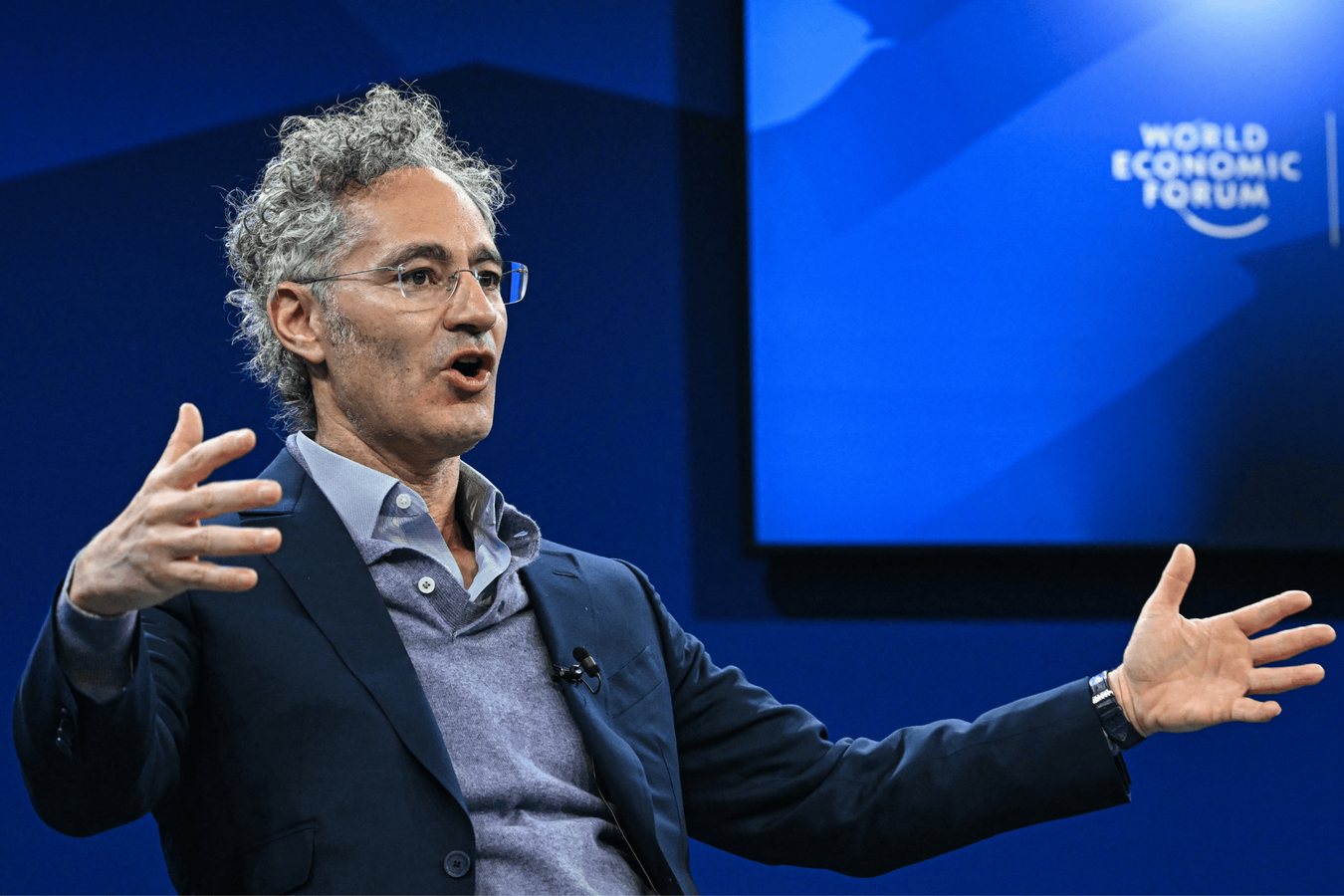
Palantir CEO Alex Karp has offered a blunt assessment of who will survive the artificial intelligence revolution: people with vocational training, and people who are neurodivergent. The billionaire co-founder said in a March interview that there are «basically two ways to know you have a future» — possessing a skilled trade, or having a cognitive profile that includes conditions such as dyslexia, ADHD, or autism.
Karp's first category reflects a growing consensus among economists and workforce analysts. Skilled trades professionals — electricians, plumbers, welders, and construction workers — are difficult to automate because their work requires physical dexterity, situational judgment, and adaptation to unpredictable environments. Demand for these workers is rising as major technology companies build out massive data centers across the United States, and the country already faces persistent labor shortages in these fields.
The second category is more personal for Karp, who has long spoken publicly about living with dyslexia. He argues that neurodivergence can confer a professional advantage in an AI-driven economy — not because of the diagnosis itself, but because of the mindset it often fosters. Success, he said, will favor people who think differently, take risks, and approach problems from unconventional angles. In his words, the winners will be those who are «more of an artist, look at things from a different direction, be able to build something unique.»
Palantir has moved to institutionalize that philosophy. The company operates a dedicated Neurodivergent Fellowship aimed at recruiting candidates who think differently from traditional hires. A job posting for the program stated that «neurodivergent individuals will play a disproportionate role in shaping the future of America and the West,» adding that they «see past performative ideologies and perceive beauty in the world that still exists — which technology and art can expose.»
The company has also launched a separate Meritocracy Fellowship designed for high school graduates who are not enrolled in college. The first cohort required Ivy League-level test scores to qualify and attracted more than 500 applicants. Twenty-two students were admitted, a mix of those who found college unappealing and those who did not get into their preferred schools. The fall 2026 cohort offered participants a $5,400 monthly stipend and pitched itself with the message: «Skip the debt. Reclaim years of your life. Earn the Palantir degree.» Top performers can receive full-time job offers.
Karp's skepticism about traditional education extends to his own background. Despite holding three degrees, including a law degree from Stanford and a doctorate in philosophy from Goethe University in Germany, he has been candid about the limits of higher education in an AI economy. Speaking at the World Economic Forum in Davos, he said artificial intelligence «will destroy humanities jobs» and warned that a philosophy degree alone will be «hard to market» without additional skills.
His views are not universally shared among technology leaders. Microsoft chief scientist Jaime Teevan has argued that metacognitive skills — flexibility, adaptability, critical thinking, and the ability to challenge assumptions — will become increasingly valuable, and that a traditional liberal arts education is important for developing them. Daniela Amodei, co-founder of AI firm Anthropic, said studying the humanities will be «more important than ever,» explaining that her company looks for strong communicators with high emotional intelligence, kindness, compassion, and curiosity.
The debate comes as entry-level roles for recent graduates are becoming harder to find, and many young workers are questioning whether a college degree alone still guarantees career stability. Corporate interest in neurodivergent hiring is also growing. A Gartner study projects that one-fifth of sales organizations within Fortune 500 companies will actively recruit neurodivergent talent by 2027 to improve business performance.
For Karp, the convergence of AI adoption and labor market disruption makes adaptability the defining professional skill. Whether through a trade, a nontraditional cognitive style, or a willingness to pursue alternative credentials, he argues that the workers most likely to thrive are those who can offer something machines cannot easily replicate.
4