Data centers now drive nearly a quarter of Oregon's electricity use
A Harvard-led study and state analyses show data centers have grown from about 3 percent of Oregon's electricity use in 2015 to roughly 23 percent in 2025, and account for most of the state's recent sales growth.
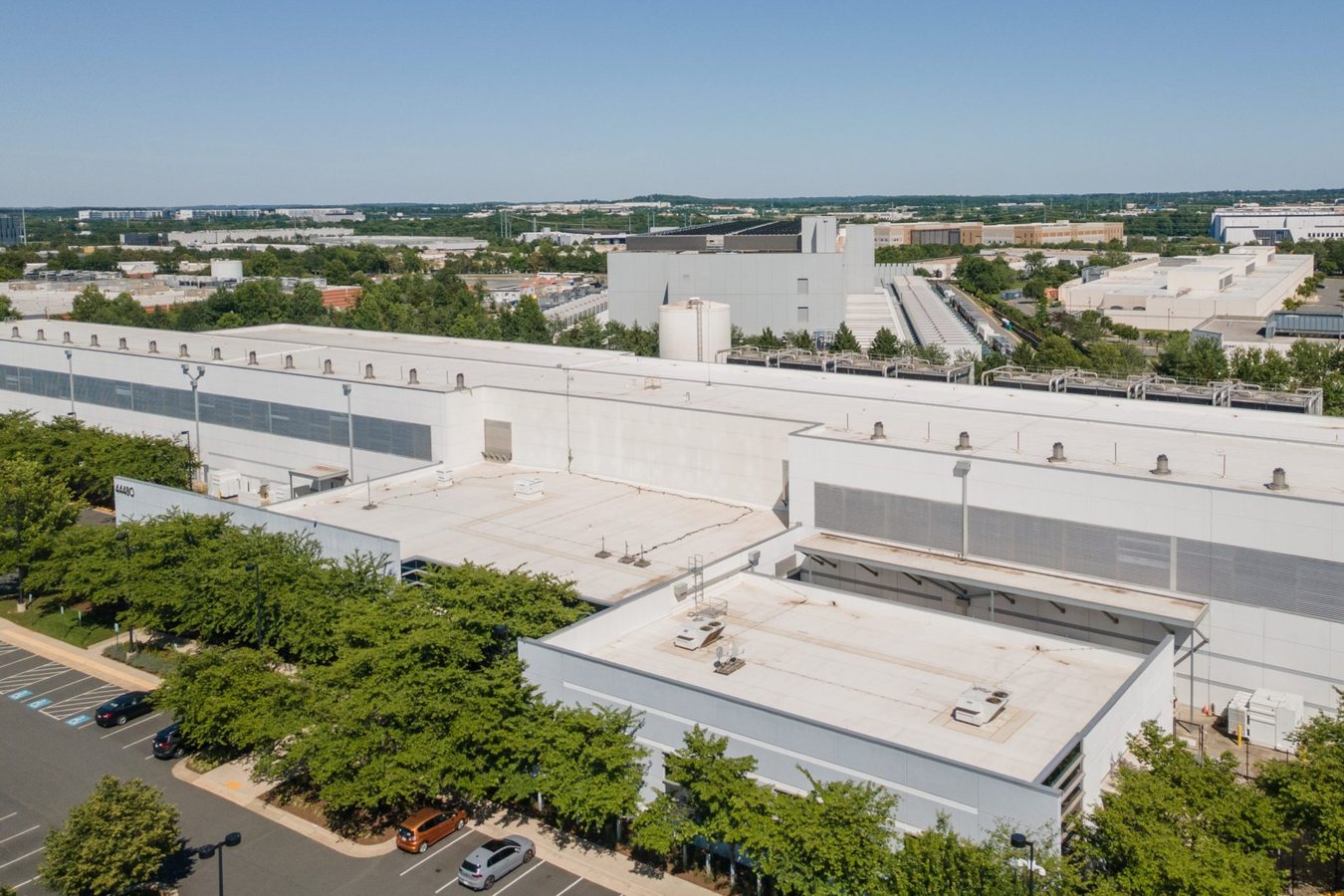
Data centers now account for roughly 23 percent of the electricity used in Oregon, up from about 3 percent in 2015, according to state analyses cited in a new study of the facilities that power the artificial intelligence boom. Over the same period, the sprawling computing campuses were associated with about 96 percent of the state's electricity sales growth between 2020 and 2025.
The figures come from a Harvard-led study published this week in Nature Sustainability. Researchers catalogued 403 U.S. hyperscale data centers, warehouse-sized facilities whose operators rarely disclose usage data. Translating power capacity into theoretical electricity use, the authors estimated the facilities consume roughly 82 terawatt-hours a year, about the amount needed to supply nearly 8 million homes. They associate that electricity with about 26 million metric tons of carbon dioxide emissions. The estimate equals about 2 percent of U.S. electricity, but that national figure masks wide differences between states.
Measured against retail electricity sales reported to the Energy Information Administration for 2024, the studied data centers in Oregon used the equivalent of 18.6 percent of the electricity sold in the state. In Virginia and Iowa, the figures were 15.5 and 13.1 percent. Electricity prices and utility planning vary sharply from state to state, and the pace of hyperscale construction means those shares can shift quickly.
Analyses presented to Oregon by the energy economics firm ECOnorthwest and the University of Virginia described hyperscalers as no longer a marginal component of the state's electricity demand. The authors argued that the facilities are poorly matched to current regulatory structures. The Oregon Department of Energy, in its most recent biennial energy report, said the state currently lacks a policy mechanism to address emissions from data center load growth.
The Harvard study covers only facilities researchers could verify, so its estimates are likely undercounts. In Virginia, the 142 included facilities account for about 15 percent of the state's electricity sales. Dominion Energy, the largest electricity seller in the state, has estimated that data centers bought 28 percent of the electricity its Virginia subsidiary sold last year. There is no federal system to track these figures, because utility surveys typically group customers only as residential, commercial, industrial, or transportation-related.
That gap drew attention in Washington this spring. In March, Senators Elizabeth Warren and Josh Hawley wrote to the Energy Information Administration, arguing that without better data, policymakers, utilities, and local communities are operating in the dark. The Bipartisan American Affordability and Jobs Act, an infrastructure permitting bill under consideration in the Senate, would direct the agency to explicitly measure data center electricity use.
Emissions depend heavily on where the power comes from. The study used federal power-plant data to estimate average emissions per kilowatt-hour for each confirmed facility. Rates range from 10 grams of carbon dioxide per kilowatt-hour in hydropower-heavy Washington to 325 grams in fossil-fuel-backed Virginia. The facilities catalogued by the researchers together emit more than the carbon dioxide equivalent of countries such as Jordan, Kenya, and Guatemala.
Grid averages do not capture a growing trend: on-site power plants, often gas-fired, built at or near hyperscale campuses to supply the data centers directly. Much of this electricity is consumed behind the meter, meaning it may never touch a public grid and so is harder to measure. As of June, about 2 gigawatts of gas generators powered four data centers nationwide, including Elon Musk's xAI sites in Memphis, Tennessee. The Environmental Integrity Project, a watchdog group, counts 143 gigawatts of gas plants proposed to power data centers across the country.
Much of that proposed capacity could place new facilities outside the Harvard study's map. West Virginia hosts none of the campuses confirmed by the study, yet it ranks second only to Texas in proposed on-site gas capacity, with more than 15 gigawatts tagged by the Environmental Integrity Project. If built, such projects could reshape where U.S. data centers are concentrated and make their electricity use less visible in utility sales and grid demand data. Power generated behind the meter does not appear as utility purchases, and it remains unclear how many of the proposed plants will be built.
Source: fortune.com
26