CEOs Want Business Answers That Marketing Dashboards Cannot Provide
Marketing dashboards excel at tracking clicks, conversions and ad returns, but they leave revenue, margin and profit unexplained. A new analysis argues that chief marketing officers must pair fast promotional data with slower, deliberate customer understanding to prove their value in the boardroom and reclaim a strategic role as AI accelerates execution.
Marketing dashboards are built to answer the questions campaigns generate: which message works, which button converts, which interaction should come next. They are far less equipped to answer the questions chief executives actually ask about revenue, growth, margin and profit. That gap is turning into a strategic problem for marketing leaders, according to an analysis of how marketing measures its contribution to business value.
The core issue is a mismatch between what marketing reports and what the boardroom wants to know. Dashboards show reach, traffic, leads, conversions, acquisition costs and return on advertising spend. None of those figures is revenue. Leads and conversions are not revenue growth by definition, and return on advertising spend is not profit. A campaign can generate more attributed revenue while discounts, product costs and returns leave the business earning less from each sale. The dashboard may show a winning campaign even as the company keeps less of every dollar.
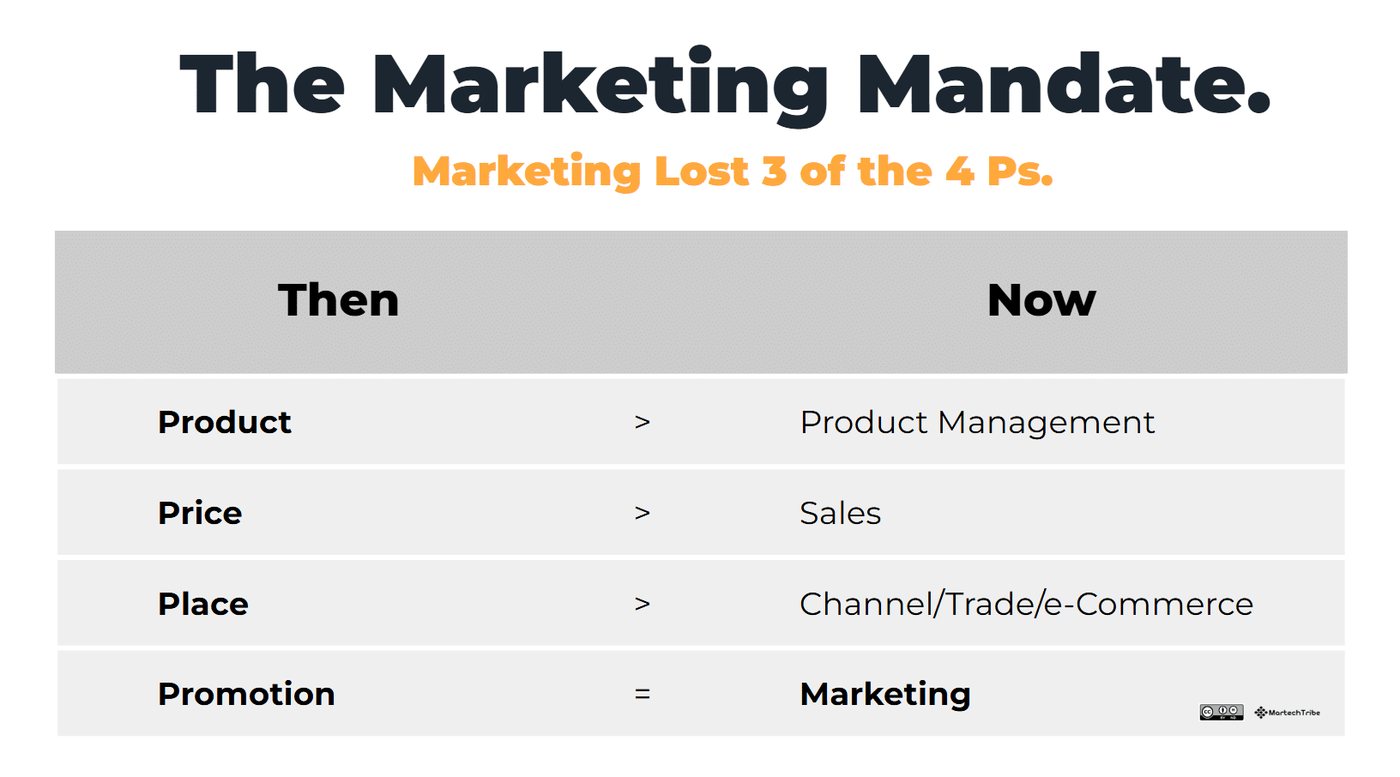
That visibility problem has consequences beyond measurement. Marketing costs are highly visible in the boardroom, and when marketing's contribution to business value remains unproven, the function becomes an easy target for the first and hardest budget cuts. The damage goes further: marketing has lost much of its mandate. Product decisions sit with product management, pricing with sales, and distribution with channel, trade and ecommerce teams. The chief marketing officer is left with promotion, tasked with generating demand for decisions made elsewhere.
The analysis draws on Daniel Kahneman's distinction between fast, automatic thinking and slow, deliberate thinking to explain the gap. Fast data supports immediate marketing decisions such as improving conversions, click-through rates and return on advertising spend. Fast describes how quickly decisions are made, not how quickly data moves between systems. Slow data supports deliberate analysis of customer needs and how serving them generates revenue, margin and value. Fast data creates relevance; slow data provides meaning. Without that meaning, marketing can demonstrate more clicks and conversions while leaving revenue growth, margin and profit unexplained.
Slow data starts from the value side and works backward. If the business needs higher margins, which customers and products contribute to them? Why do those customers buy, and what makes them willing to pay full price? If the business needs revenue growth, where is the opportunity: acquiring new customers, retaining existing ones, or growing current relationships? This approach, described as value engineering, traces how solving a customer's problem creates value for the customer and for the company. It asks what outcome a product delivers, what that outcome is worth to the customer, and how delivering it contributes to revenue, margin or growth.
Customers cannot always articulate what drives their decisions, so slow data also requires examining what they buy, how they use products, when they return and where their behavior differs from what they say. A discount campaign illustrates the point. Customers convert when the price drops, but the dashboard cannot show whether they understood the product and waited for a deal or never understood its value well enough to justify the full price. The conversion looks identical either way. Value engineering asks whether lowering the price or better explaining the value produces a stronger outcome for both the customer and the company.
Artificial intelligence makes the gap more urgent. AI accelerates analysis and execution, making it easier to generate recommendations and campaigns at speed. But without the customer understanding that gives those engines direction, marketing risks losing further influence over product, price, place and promotion. The opportunity for the chief marketing officer is to establish that understanding, prove marketing's value and reclaim a strategic role in the boardroom.
9