AI Stocks Slide as Oil Hits Five-Month High, Dragging Global Markets Lower
A selloff in artificial-intelligence shares and a jump in oil prices pushed global markets lower, with the S&P 500 down 1.3% and the Nasdaq off 2.4%, while Brent crude rose to $111.99 a barrel.
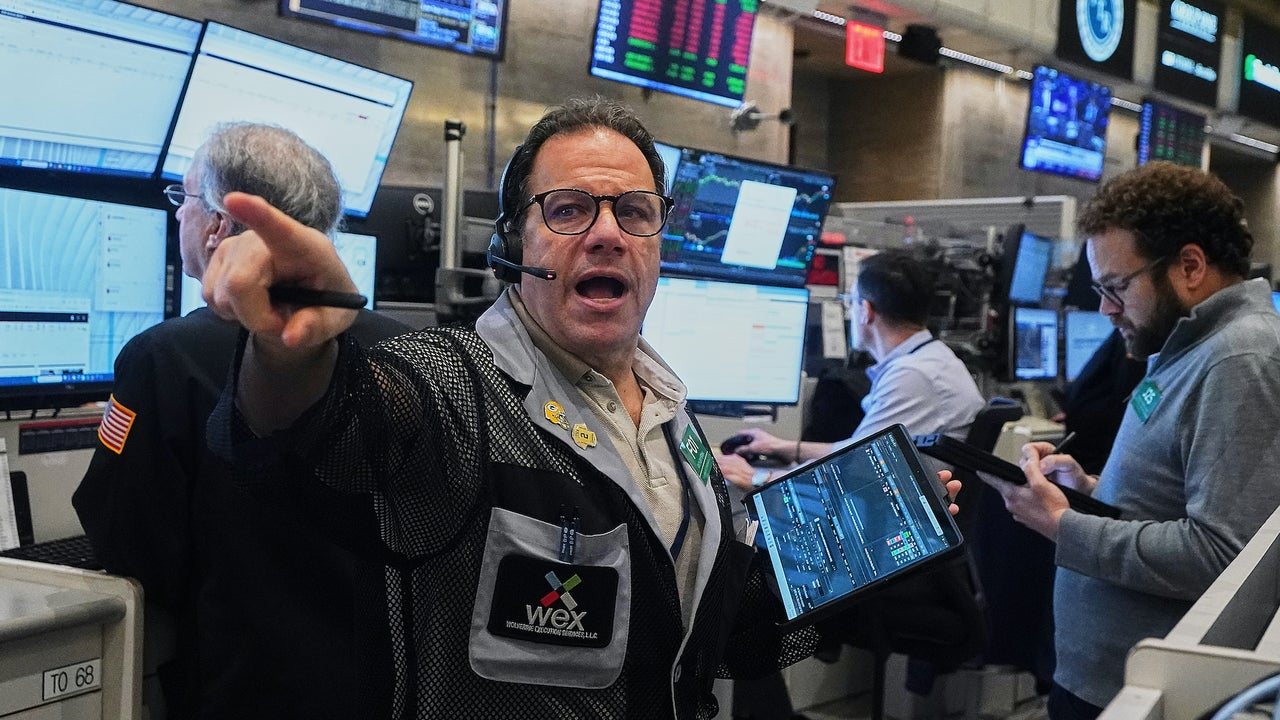
A sharp pullback in artificial-intelligence stocks and a surge in oil prices combined to drag global markets lower, with the S&P 500 falling 1.3% and the tech-heavy Nasdaq composite dropping 2.4% by early afternoon Eastern time. The Dow Jones Industrial Average held up far better, down just 40 points, or 0.1%, as investors rotated away from technology names toward other sectors.
The retreat began in Asia, where markets are heavily weighted toward AI and other technology companies. South Korea's Kospi tumbled 3.5%, Hong Kong's Hang Seng dropped 3%, and Japan's Nikkei 225 sank 2.7%. In Europe, France's CAC 40 fell 1.4%, one of the continent's sharpest losses, pressured less by tech than by another jump in yields on French government bonds amid worries about the country's debt load and strained budget.
AI-related shares have been shaky on concerns that the boom may be under threat because borrowing money to build data centers and buy more AI chips has become so expensive. There are also lingering worries that stock prices simply shot too high during a yearslong frenzy, even as companies in the industry continue to report growth.
Lam Research offered a clear example of how unforgiving investors have become. The semiconductor equipment and services company reported summer profit and revenue that were slightly stronger than analysts expected, which would usually lift a stock. Instead, its shares tumbled 11.1% after it gave a profit forecast for the current quarter whose midpoint came in slightly below expectations. The stock had already surged 52.4% for the year, nearly quadruple the S&P 500's gain, leaving plenty of room for disappointment.
Other big technology names were unsettled after their own quarterly reports contained at least some encouraging details. Meta Platforms, which is pushing its Muse AI agent, lost 7.4% after reporting stronger revenue than analysts expected but profit that fell short. The company behind Facebook and Instagram also said it is creating a new class of stock to raise money for AI investments and other expenses. Tesla slipped 2.1% after flipping between gains and losses in the morning; it reported a stronger summer profit than expected but weaker revenue than forecast.
Nvidia, the largest stock on Wall Street by total value, fell 4.3% and was the heaviest single weight on the S&P 500. CoreWeave, which has borrowed money to buy Nvidia's AI chips and rents them out over the cloud, dropped 9.6% amid worries about its debt, though it has swung between wide gains and losses of roughly 4% within each of the last two days.
Oil added to the pressure on equities. The price of a barrel of Brent crude rose 2.9% to $111.99 after touching its highest level in five months, near the top of the $97 to $112 range it has moved through in October on uncertainty about when the war with Iran will allow the global energy industry to return to normal.
Bond markets told a different story. Yields on U.S. government debt fell sharply as investors sought safer places to put money while AI stocks tumbled. The 10-year Treasury yield dropped to 4.98% from 5.13% late Wednesday and from more than 5.30% earlier this month, a major move for the bond market, though it remains well above its 3.97% level from before the war with Iran.
The drop in yields came even as a report suggested the U.S. economy may be doing better than economists expected, with fewer workers applying for unemployment benefits last week, a possible signal that layoffs remain low. That solid economy has helped companies broadly make bigger profits, which propelled the stock market to a record high earlier this month despite the many worries tugging at it.
Most stocks within the S&P 500 actually rose, only to be drowned out by the declines in more influential tech names. Procter & Gamble, Lockheed Martin and CSX were among the latest companies to top profit expectations for the summer, and their gains helped limit the market's losses. Procter & Gamble shares rose 6.3% after the company stood by its full-year forecasts for revenue, profit and other measures, even as CEO Shailesh Jejurikar said it expects «geopolitical and economic challenges» to continue.
9