Asian Stocks Slide on AI Jitters as US Bank Earnings Loom
Asian equity markets fell sharply as investor anxiety over artificial intelligence valuations collided with caution ahead of major US bank earnings reports, with geopolitical tensions adding to the selling pressure.
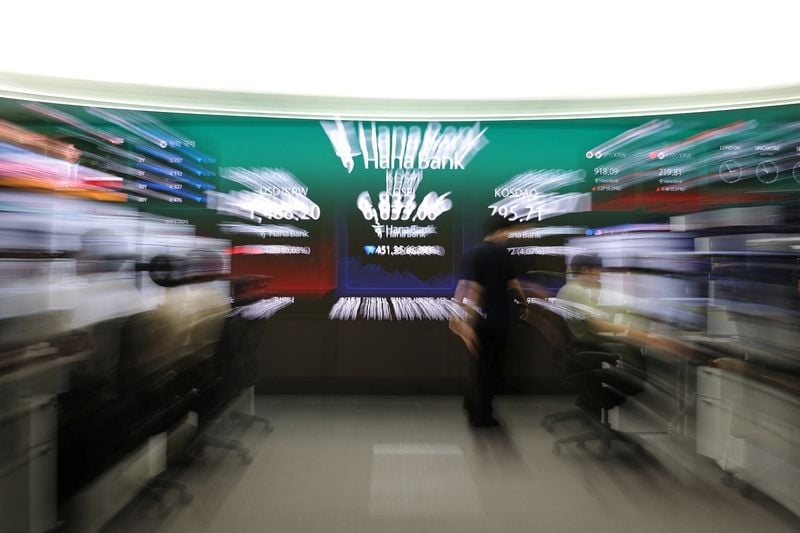
Asian stock markets tumbled on Wednesday as a fresh wave of anxiety over artificial intelligence valuations swept through trading floors, compounding investor caution ahead of a closely watched round of quarterly earnings from major US banks. The selloff rippled across the region, with technology-heavy indexes in Japan, South Korea, and Taiwan bearing the brunt of the declines as fund managers trimmed exposure to companies tied to the AI supply chain.
The retreat in Asia followed a volatile session on Wall Street, where concerns that the rapid run-up in AI-related shares may have outpaced near-term earnings potential prompted profit-taking. Semiconductor manufacturers and equipment suppliers, which have been among the biggest beneficiaries of the global AI investment boom, saw some of the steepest drops. The pullback underscores how sensitive regional markets have become to shifts in sentiment around a technology theme that has driven much of this year's equity gains.
Investors are now turning their attention to the upcoming earnings season for large US financial institutions, which is expected to provide a broad read on the health of the American consumer and the trajectory of corporate lending. Results from the biggest banks are traditionally viewed as an early indicator of broader economic momentum, and this quarter carries added weight as markets try to gauge whether elevated interest rates are finally cooling demand.
The cautious mood was further reinforced by lingering geopolitical uncertainty, which has kept a lid on risk appetite across global markets. Traders cited a combination of factors behind the risk-off tone, including questions about the durability of the AI trade, the potential for disappointing bank results, and a lack of fresh catalysts to push equities higher after a strong run.
Currency and bond markets reflected the defensive posture, with flows moving toward traditional safe-haven assets. The yen and US Treasury yields drew particular attention as investors repositioned ahead of the bank earnings slate. A stronger dollar added pressure to Asian exporters, making their products relatively more expensive in overseas markets and weighing on revenue outlooks.
Analysts noted that the selloff, while sharp, remained within the range of recent volatility rather than signaling a broader breakdown. Many market participants still expect AI-related spending to remain a powerful multi-year theme, but the pace of gains has left little room for disappointment. Any sign that corporate earnings are failing to keep up with the enthusiasm embedded in share prices could trigger further bouts of selling.
The focus on US banks also reflects broader questions about the direction of monetary policy. Lenders' quarterly reports often include commentary on loan demand, credit quality, and net interest margins, all of which help investors assess how higher borrowing costs are filtering through the economy. With central banks signaling a data-dependent approach, those disclosures will be parsed closely for clues about the next policy moves.
For Asian markets, the immediate outlook hinges on whether the AI jitters prove temporary or mark the start of a deeper reassessment. Technology and semiconductor shares have been the engine of regional index gains, and their performance will likely determine whether the pullback stabilizes or extends. Exporters are also watching currency moves, as a sustained rise in the dollar could erode competitiveness and pressure margins.
Despite the day's declines, some strategists pointed out that corporate fundamentals in key Asian economies remain relatively solid, and that periodic corrections are a normal feature of markets driven by a single powerful theme. The coming days will test that view, as investors digest bank earnings, economic data, and any further developments on the geopolitical front before deciding whether to return to risk assets or stay on the sidelines.
10