Americans eat less turkey as chicken and high feed costs reshape holiday tables
U.S. turkey consumption has fallen more than 25 percent over three decades while chicken demand has climbed, driven by higher turkey prices, shrinking household sizes and longer cooking times.
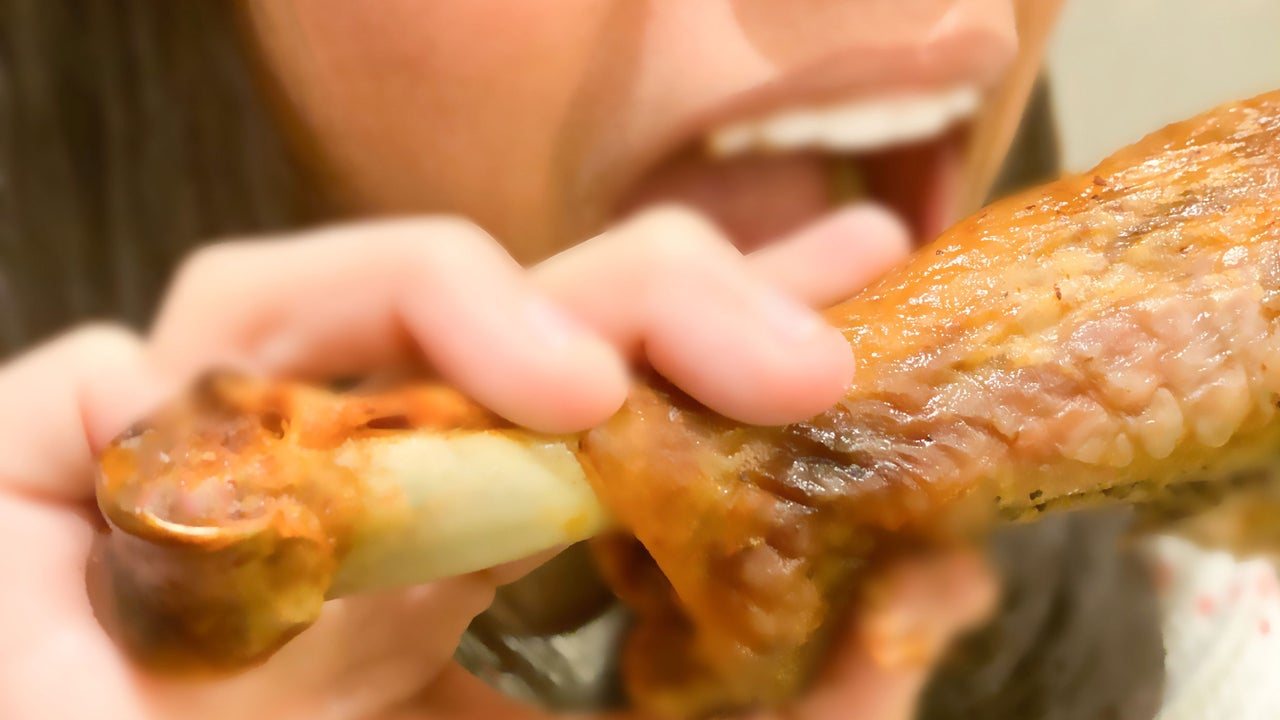
Roast turkey remains the centerpiece of many American Thanksgiving tables, but the bird is steadily losing ground to chicken on everyday dinner plates. Annual turkey consumption has dropped by more than 25 percent over the past three decades, while demand for chicken has grown sharply. Business school professor Jay L. Zagorsky, who has written about the economics of holidays, points to several explanations for what he calls the turkey slump.
The decline is visible in the numbers. In 1995 the average American ate 17.7 pounds of turkey a year. By 2025 that figure had fallen to 13.2 pounds. The slide began in the late 1990s and accelerated around 2008, when the Great Recession was underway. Chicken consumption moved in the opposite direction, rising about 50 percent from 69 pounds per person in 1995 to 104 pounds in 2025. Zagorsky notes that Americans now eat almost eight times more chicken than turkey.
Despite the slump, turkey remains a substantial business. Domesticated turkeys were sold worth more than $5 billion in 2025. Production occasionally ticks upward, as it did in 2026 when demand for niche products such as turkey jerky increased, but the long-term trend points down. Zagorsky argues that the industry's broader weakness is the clearest sign that consumers are drifting away from turkey.
Price is the first factor he identifies. According to U.S. Department of Agriculture data, wholesale turkey prices per pound have averaged about 10 percent higher than chicken over the past 25 years. Those wholesale costs flow through to shoppers. Zagorsky cites a local example from just before the 2026 Thanksgiving sales: a Bell & Evans fresh whole turkey sold for $4.99 a pound, while a Bell & Evans fresh whole chicken cost $3.49 a pound at his supermarket. A gap of $1.50 a pound is significant for households that already feel financially squeezed, and he says similar differences show up nationally.
The cost gap has roots in feed. Both turkeys and chickens are fed a diet of corn and soybeans, but turkeys consume a higher share of soybeans, and soybeans currently cost about twice as much as corn. Zagorsky reports that turkey feed costs have risen almost 80 percent since 2000 without adjusting for inflation, while chicken feed costs have climbed about 60 percent. Those higher input costs help explain why turkey stays pricier at every step of the supply chain.
The second factor is the size of today's households. The average American household now includes only about 2.5 people, down over time as families have shrunk. Zagorsky says a typical fresh turkey weighs 10 to 12 pounds, while the whole chicken he buys weighs about 4 pounds. A 10-pound turkey yields roughly 4 pounds of food per person in a typical household, far more than most people can eat in one meal. A 4-pound chicken, once the bones are removed, provides around 1.2 pounds of meat per eater, which he describes as a more manageable portion. A whole chicken often stretches to one or two meals per person, while a whole turkey can supply leftovers for an entire week.
Two more practical considerations weigh on the decision. A 10-pound fresh turkey at $4.99 a pound costs almost $50, while a 4-pound chicken at $3.49 a pound costs under $14. Time matters too. Roasting a 10-pound turkey in an oven takes about three hours, while a 4-pound chicken takes about two. Zagorsky argues that the extra hour is a real burden in a society where people feel increasingly short of time.
For shoppers who still want turkey but need to economize this holiday season, Zagorsky suggests buying a frozen bird, which is considerably cheaper than fresh. He also looked into the option of hunting wild turkeys, which roam his own backyard in Massachusetts. Hunting before Thanksgiving is legal there, but during much of the fall hunters may use only bows and arrows, and they must buy a sporting license, a turkey permit and an archery stamp, totaling $95 a year. After weighing those requirements, he says he will keep buying his turkey at the supermarket.
Source: fastcompany.com
31