Voters reject local AI data centers in nearly every midterm ballot measure
Across 41 local ballot measures in 10 states, voters opposed data center projects in all but one contest, signaling growing public resistance to the AI buildout as federal regulation looms in the new Congress.
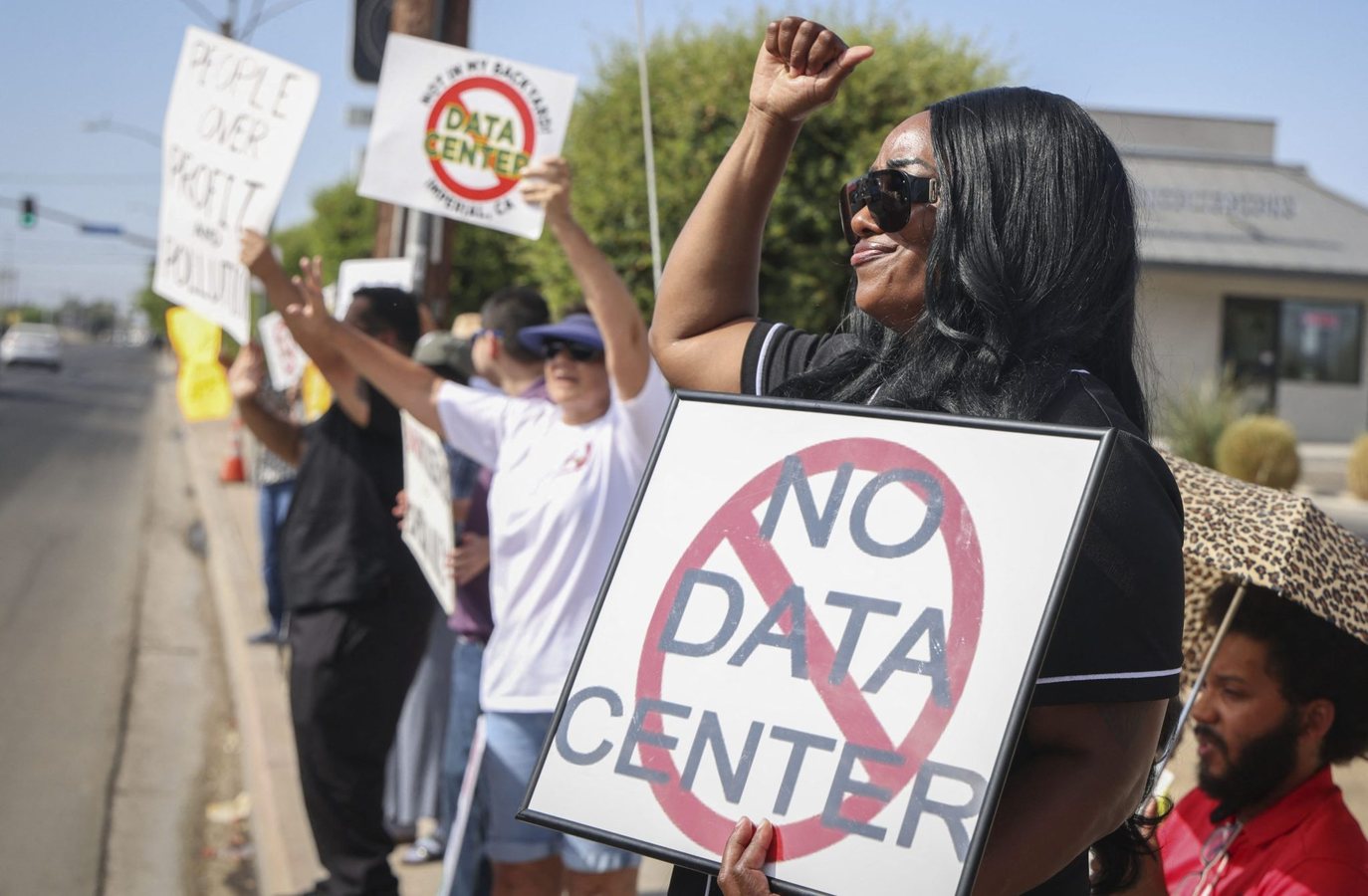
Voters in 10 states rejected local data center projects in nearly every contest on Election Day, sending a clear signal that community resistance to the artificial intelligence buildout is growing. Across 41 local ballot measures, voters opposed the facilities in all but one vote, in Harwood, North Dakota. Most of the contests cleared a 70 percent margin against the industry.
The results reflect a broader shift in public opinion. An NBC exit poll found that roughly three quarters of voters oppose a data center in their own community. A Gallup survey found that seven in ten Americans oppose an AI data center nearby. Separately, Pew Research found that Americans who expect AI to harm society outnumber those who expect it to help by more than two to one. The local votes, in other words, are not isolated protests but a reflection of a wider unease about where the technology is headed.
The political fallout extended beyond local measures. In Texas, Governor Greg Abbott paused new grid connections in August, and Gina Hinojosa won a Texas race running on a data center moratorium platform. Sherrod Brown regained his Ohio Senate seat, and Keisha Lance Bottoms won the Georgia governorship. These outcomes suggest that data center policy is becoming a campaign issue with real electoral consequences rather than a niche regulatory debate.
Attention now turns to the new Congress, which convenes in January, where federal lawmakers are expected to take up a range of AI proposals. Those under consideration include mandatory testing of frontier AI models against government standards, stronger whistleblower protections for employees at AI labs, and possible statutory codification of executive branch model review. Lawmakers are also weighing incident reporting requirements, independent verification bodies, and possible federal liability for AI-related harms, which could be strict in nature.
Other items on the potential agenda include export controls that may extend to chipmaking equipment and action on surveillance pricing, a practice the Federal Trade Commission proposed targeting in August. Several bills would bar recursive self-improvement in AI systems, including proposals from Representative Ro Khanna and from Senator Bernie Sanders and Representative Greg Casar.
The grid and competitiveness questions sit at the center of the debate. Analysts cited in the reporting say 10 to 15 gigawatts of planned capacity may not arrive by 2027. At the same time, Duke University's Nicholas Institute estimates the grid could absorb about 76 gigawatts of flexible load, a figure that suggests the constraint may be partly a matter of how demand is managed rather than only how much power exists. On the competition question, the author argues that fears of China leading the AI race are overstated, noting that the United States leads in chips, capital, and talent.
The industry itself may be adjusting. Distributed, smaller regional AI sites could gain ground over giant campuses, and sites of 50 megawatts or less were seen as the most at risk of being left behind. Projects with completed permits are gaining value, while delayed power or water permits now carry more risk. A faster chip refresh cycle could also push older hardware overseas.
Several questions remain open. It is unclear whether companies will accept paying the full cost of grid upgrades, share revenue, or publish their water use. It is also uncertain how President Trump's stance on vetoes will shape the next two years of AI policy, and whether the predicted AI slowdown will actually materialize.
Source: fortune.com
3