The viral 0.6% paid-AI figure fails a basic reality check
A popular visualization says only 0.6% of humanity pays for AI, but OpenAI alone reports more than 50 million consumer subscribers — roughly 0.61% of the same 8.2 billion baseline.
A striking statistic is circulating around the AI economy: only 0.6% of people on Earth supposedly pay for artificial intelligence. It is irresistible because it compresses the gap between AI hype and consumer spending into a single fraction. The problem is not that the number was invented. It is that the publicly visible methodology is not detailed enough to support the broad claim that exactly 0.6% of unique people worldwide pay for AI.
The figure appears in a visualization called State of AI Adoption. It uses 8.2 billion people as its world-population baseline and assigns 60 out of 10,000 blocks to “Paid Subscribers,” or 0.6%. Its methodology note says active and paid figures are aggregated from reported OpenAI, Google and Anthropic metrics. It does not show the underlying table, explain how subscribers are deduplicated across services or define whether a payer means a consumer account, a business seat, a subscription or a unique person.
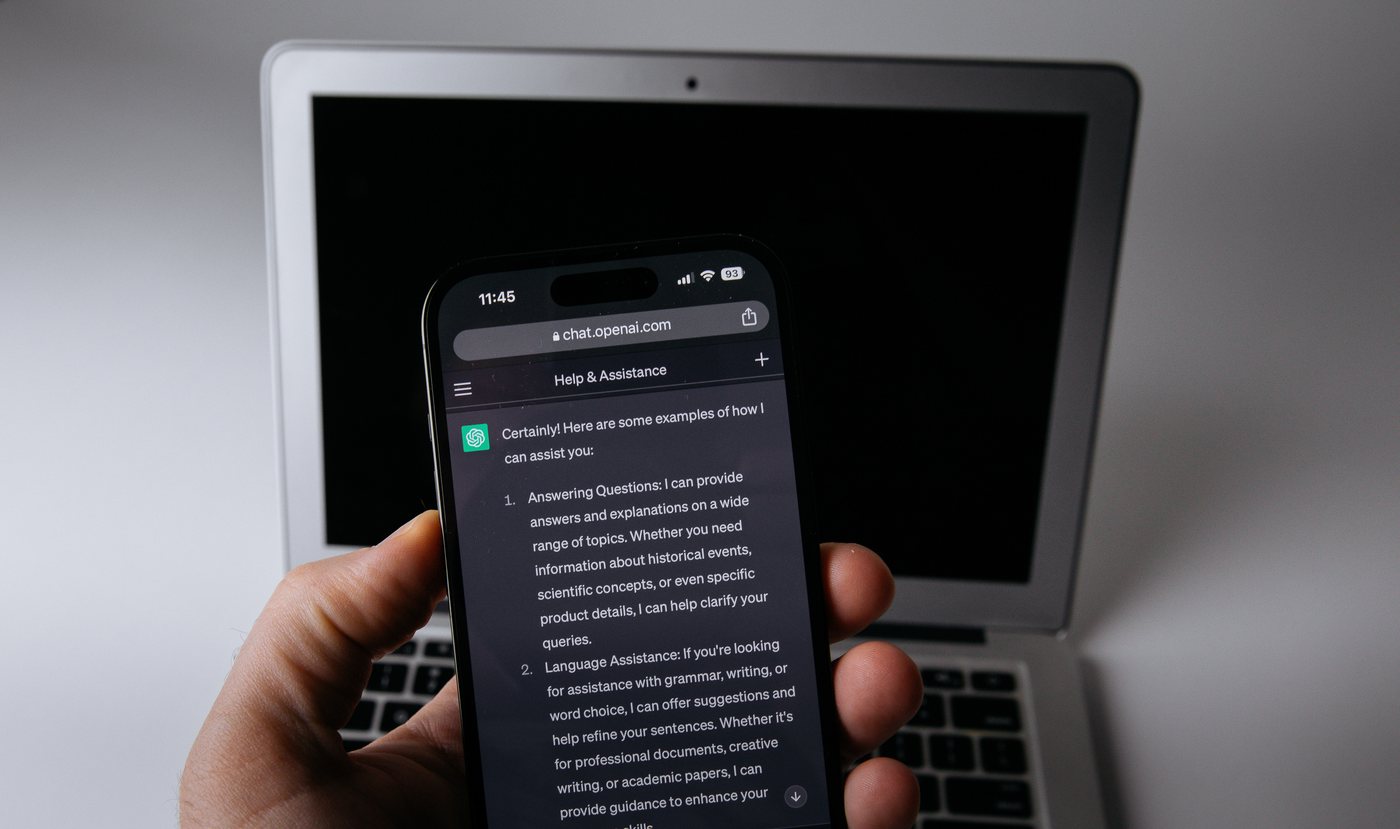
OpenAI’s own public numbers make that ambiguity impossible to ignore. The company says ChatGPT has more than 900 million weekly active users, more than 50 million consumer subscribers and more than 9 million paying business users. Fifty million divided by the visualization’s 8.2 billion population baseline is about 0.61%. OpenAI’s consumer subscription count by itself is therefore already roughly equal to the visualization’s entire estimate for people paying for AI worldwide.
That does not mean the true global share can be calculated by simply adding every paid plan. A single person may subscribe to ChatGPT, Claude and a Google AI service at the same time. Business access creates another category: a worker may use a paid product every day without personally paying the bill. If the goal is to count unique humans, overlapping subscriptions and employer-funded seats have to be separated.
The market is broader than ChatGPT. Google sells paid Google AI tiers and in May 2026 announced a new $100-per-month AI Ultra option. Anthropic offers Claude Pro as a paid consumer plan. A U.S. securities filing for the X/xAI group says paid SuperGrok tiers had about 1.9 million active subscribers as of March 31, 2026. Those services may overlap in audience, but their existence alone shows why a single global payer number requires careful deduplication.
There is also a denominator problem. Measuring paid AI subscriptions against the entire human population includes children, people without internet access and people who have never used an AI chatbot. That ratio can illustrate global scale, but it does not measure the business question most readers assume it measures: what share of actual AI users are willing to pay for premium capability?
Germany offers a useful example of a better-defined statistic. In a representative 2026 Bitkom survey, 13% of AI users said they pay for at least one AI application, up from 8% a year earlier. Paying users spent an average of €20 per month. The study clearly states its sample and population, which makes the result easier to interpret than a global synthesis with an opaque numerator.
People also have concrete reasons to upgrade. Bitkom found that access to more capable models was the leading motivation. Users also cited better result quality, technical stability, extra features, fewer usage limits and privacy. Paid AI is therefore not merely a fee for access to something that used to be free; it increasingly sells higher limits, more compute, stronger models and professional reliability.
The consumer story matters because “AI user” now covers radically different behavior. Someone who opens a chatbot twice a month is not economically comparable with a developer, analyst, researcher or creator who runs high-value tasks every day. A single worldwide adoption percentage hides that distribution of intensity. The people most likely to pay are often those for whom latency, limits or weaker output carry a real opportunity cost.
The same distinction affects subscription fatigue. Heavy users may justify several AI plans if each saves time in a different workflow, while casual users may remain on free tiers indefinitely. That could produce a market that looks small when compared with humanity but large in revenue, with a narrower professional segment supporting premium pricing and multiple subscriptions.
There is a lesson here for readers far beyond AI. Precise percentages can create false confidence when the unit being counted is unclear. An account is not always a person. A subscription is not always a unique user. A world-population denominator is not the same thing as a product’s addressable market. Statistical literacy starts with asking what sits above and below the fraction bar.
The responsible conclusion is not that 0.6% is fake. It is that the figure is too weakly documented to support the broad claim that only 0.6% of humanity pays for AI. A more accurate statement is that one visualization estimates paid AI at that scale relative to total world population, while public company data show tens of millions of paying users and a subscription market that is already substantially more complex. Before the percentage becomes a headline, the counting method needs to be part of the story.
83