U.S. Beef Supply Shrinks as Cattle Herds Dwindle and Farmers Stay on the Sidelines
Domestic beef production fell to about 14.4 billion pounds from January through July 2026, down from 15.2 billion pounds a year earlier, as cattle slaughter dropped and farmers proved reluctant to rebuild herds despite higher prices.
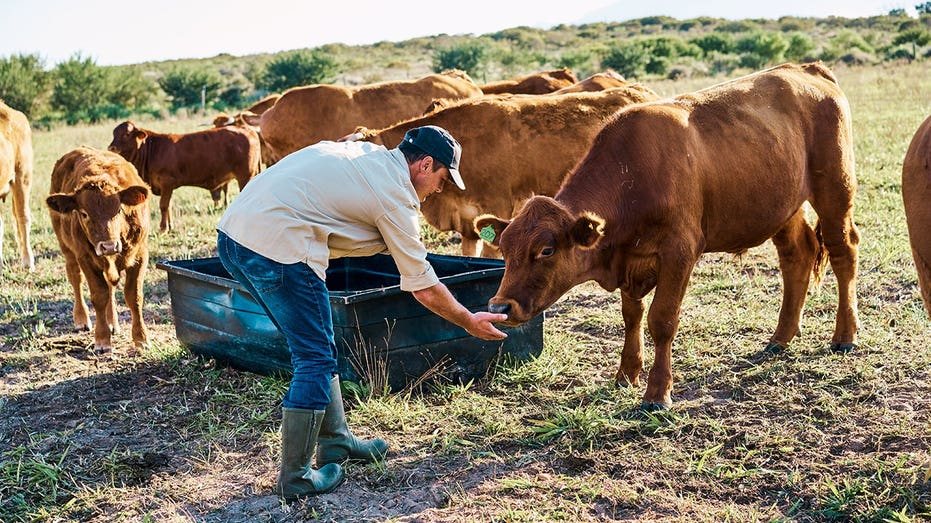
American beef production is contracting as the nation's cattle herd keeps shrinking, tightening a market that was already under pressure from elevated prices. U.S. commercial beef output totaled roughly 14.4 billion pounds from January through July 2026, down from about 15.2 billion pounds during the same seven months a year earlier, according to U.S. Department of Agriculture data.
The decline in production tracks a parallel drop in the number of animals being processed. Commercial cattle slaughter fell to about 16.2 million head in the first seven months of this year, compared with roughly 17.5 million during the same period in 2025, the USDA figures show. Fewer cattle moving through the pipeline means less domestic beef reaching grocery cases and restaurants.
Will Harris, a fourth-generation cattle farmer and owner of White Oak Pastures in Bluffton, Georgia, said the root of the problem is financial. Years of thin or nonexistent margins pushed producers to sell down their herds rather than invest in rebuilding them.
«Cattle farmers have for so long not made a profit that they have liquidated their herds, and the numbers are just not here anymore,» Harris said.
What makes the current cycle unusual, Harris added, is that higher cattle prices have not triggered the expansion that typically follows a period of tight supply. In past cycles, rising prices encouraged farmers to retain heifers and grow their operations. That response has been muted this time.
«What's different is the higher prices the farmers are getting is not causing them to go back into business,» he said.
The economics of entering or expanding a cattle operation help explain the hesitation. Land, equipment and livestock all carry steep costs, creating a barrier that Harris said is difficult for newcomers to clear.
«There's so much money involved in owning land and equipment and livestock that it's just very hard for a person who is not producing to say, 'I think I'll start a farm,'» he said.
Harris also pointed to the growing role of imported beef in the U.S. market, arguing that the country is leaning more heavily on foreign suppliers as domestic herds shrink.
«What is happening is that the United States is becoming a larger and larger net importer of beef,» he said.
The U.S. both imports and exports beef, and those trade flows respond to domestic production levels, consumer demand and global market conditions, according to the USDA. A smaller domestic herd shifts that balance and can deepen reliance on overseas supply.
Harris's perspective comes from decades in the industry. After graduating from the University of Georgia with a degree in animal science in 1976, he returned to the family farm and initially ran it using conventional methods, including chemical fertilizers, antibiotics and growth-promoting technologies. Over time, he became concerned about the long-term effects of those practices and changed course.
«They offered a performance boost in the short run,» Harris said. «In the long run, they were literally damaging my land, my farm, my community.»
White Oak Pastures now operates on what Harris describes as regenerative agriculture, an approach meant to work with natural cycles instead of relying on conventional monoculture practices.
For shoppers trying to understand how their beef was raised, Harris cautioned that package labels may not tell the whole story. He said consumers benefit from knowing more about the farm behind their food and encouraged them to research producers and, when possible, buy closer to home.
«I wish that consumers would find a more local producer that they could do business with, they could support to help that guy stay in business,» he said.
The National Cattlemen's Beef Association was contacted for comment on the shrinking herd and production trends.
5