Palmer Luckey and Ben Lamm Launch Warhound to Clone and Gene-Edit Military Dogs
Warhound, a new Texas defense tech startup founded by Anduril's Palmer Luckey and Colossal Biosciences' Ben Lamm, has emerged from stealth with a $200 million seed round to clone, gene-edit and equip America's military working dogs, aiming to end reliance on European suppliers.
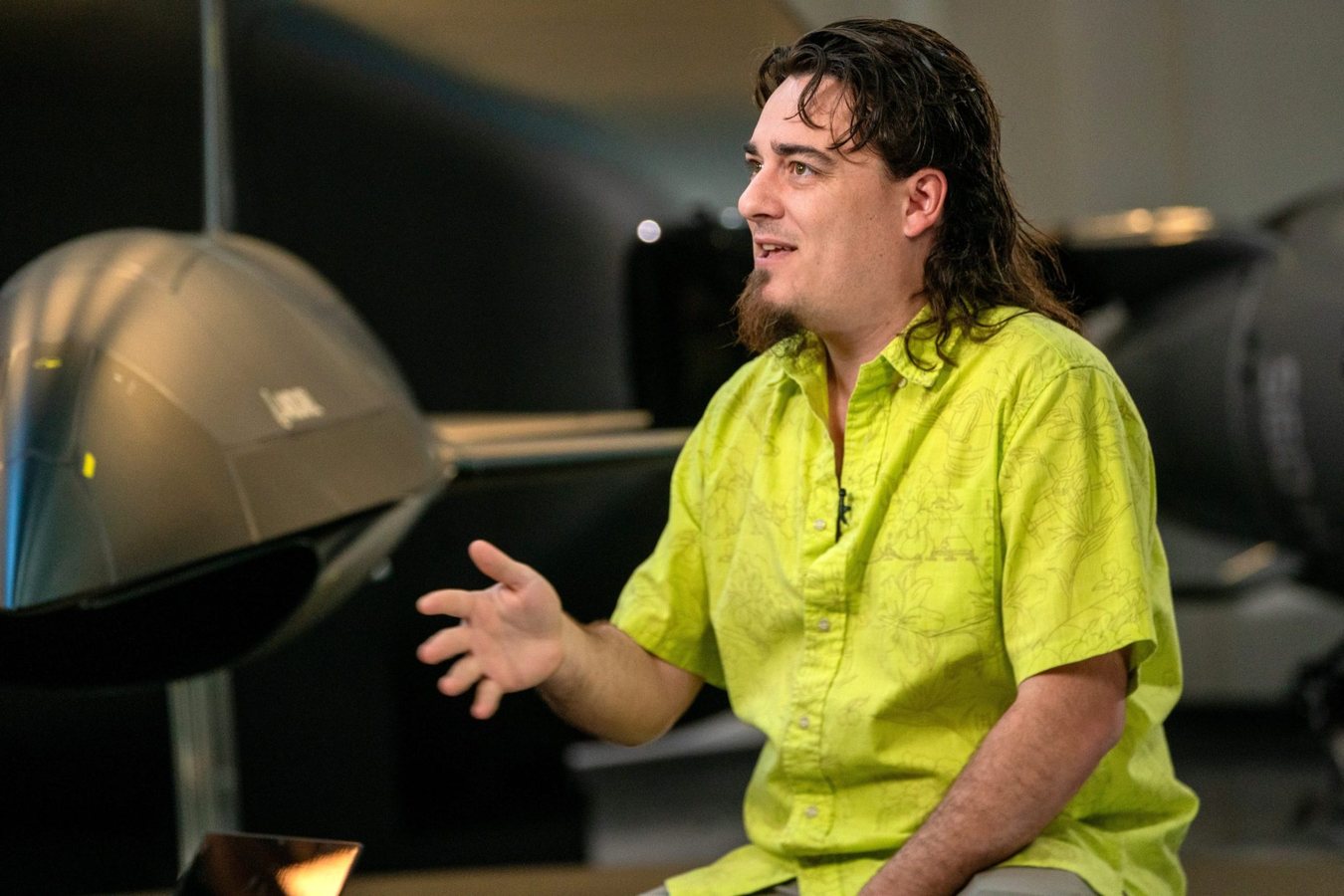
Warhound, a defense technology startup founded by Anduril chief Palmer Luckey and Colossal Biosciences CEO Ben Lamm, is coming out of stealth with a $200 million seed round to clone, gene-edit and equip America's military working dogs. The Texas-based company aims to solve a supply-chain problem that has quietly burdened the U.S. military for decades: most of its dogs are bought from Europe, fewer than half make it through training, and the Pentagon is bidding against foreign governments for the animals that remain.
The company is led by CEO David Spirk, a former Marine and the Pentagon's former chief data officer. Its backers include In-Q-Tel, Sequoia Capital, ARK Invest, Franklin Templeton, 8VC, USIT, Bob Nelsen, Breyer Capital, CAZ Investments, Neogenesis, Builders VC and Lux Capital, among others. The U.S. military's working dog program operates more than 2,200 dog teams, according to the company, and more than 80% of its dogs are purchased from Europe. Lamm cited a Senate Armed Services Committee warning that the cost of procuring whelped military working dogs from Europe is skyrocketing due to a finite number of breeders and rising demand, along with an American Kennel Club assessment that there is now a shortage of even mediocre quality foreign dogs available.
Lamm said the U.S. is competing against other governments, including China and Russia, for the same animals. The losses after purchase are expensive as well. According to the company, fewer than half of the dogs bought are judged fit for service after a roughly three-year acquisition and training pipeline, meaning the U.S. must buy and train about 200 dogs today to field 100 working animals later. «A dog is the oldest autonomous system there is,» Lamm said. «For thousands of years, dogs have gone into danger ahead of the people they protect.»
Warhound's plan unfolds in stages. The company will identify top dogs that have completed training and biobank their genetic material, then clone those proven animals. Lamm acknowledged that training and environment will always influence performance. Alongside cloning, Warhound will pursue targeted gene edits, screening out known harmful variants tied to muscle degeneration and other inherited diseases so that no dog enters service carrying genetic markers known to cause common career-ending conditions. The first group of dogs has already been biobanked and is being edited now, and Lamm expects to deliver the first dogs in about two years. «Breeding and raising a dog takes the time it takes,» he said.
Anduril is supplying equipment including eye and ear protection, body armor, and integration with its Eagle Eye system so that dogs, handlers and autonomous systems operate as one team. The release announcing Warhound calls these «cybernetic Augments.» Lamm said the dogs are not a step toward robot dogs, nor a hedge against them. «No machine today matches a dog's nose or its judgment in complex environments,» he said.
Warhound has no signed customers yet, and it is not quoting a price per dog because a young dog, a partially trained dog, and a cloned dog of proven health with training and support through retirement are very different things. Lamm said the company is discussing a «Canine-as-a-Service» model in which the government would buy a steady supply of trained dogs instead of individual animals, mirroring the subscription approach software companies have long used with the Pentagon. Cloning working dogs is not new: South Korea's customs service deployed six cloned sniffer dogs in 2009, and Chinese scientists later cloned a top police dog and placed cloned K-9s with Beijing police. Nothing at the scale needed exists yet, Lamm said, so Warhound plans to build national-scale kennel and training infrastructure step by step, starting with private capital.
The company has hired what Lamm called one of the top dog handlers ever to serve in the U.S. military as director of canine operations. The American Humane Society will certify Warhound's training programs and help reunite retired dogs with their former handlers. Lamm and Luckey conceived the company after a conversation at Peter Diamandis' Moonshots Summit, where Luckey praised Colossal's dire wolf announcement and the two began discussing where military dogs come from and how many wash out.
7