China Recalls Millions of EVs Over Hidden Emergency Door Handles
Chinese regulators have ordered a massive recall of electric vehicles because the mechanical backup door handles are too difficult to locate in an emergency, raising concerns about passenger safety during accidents.
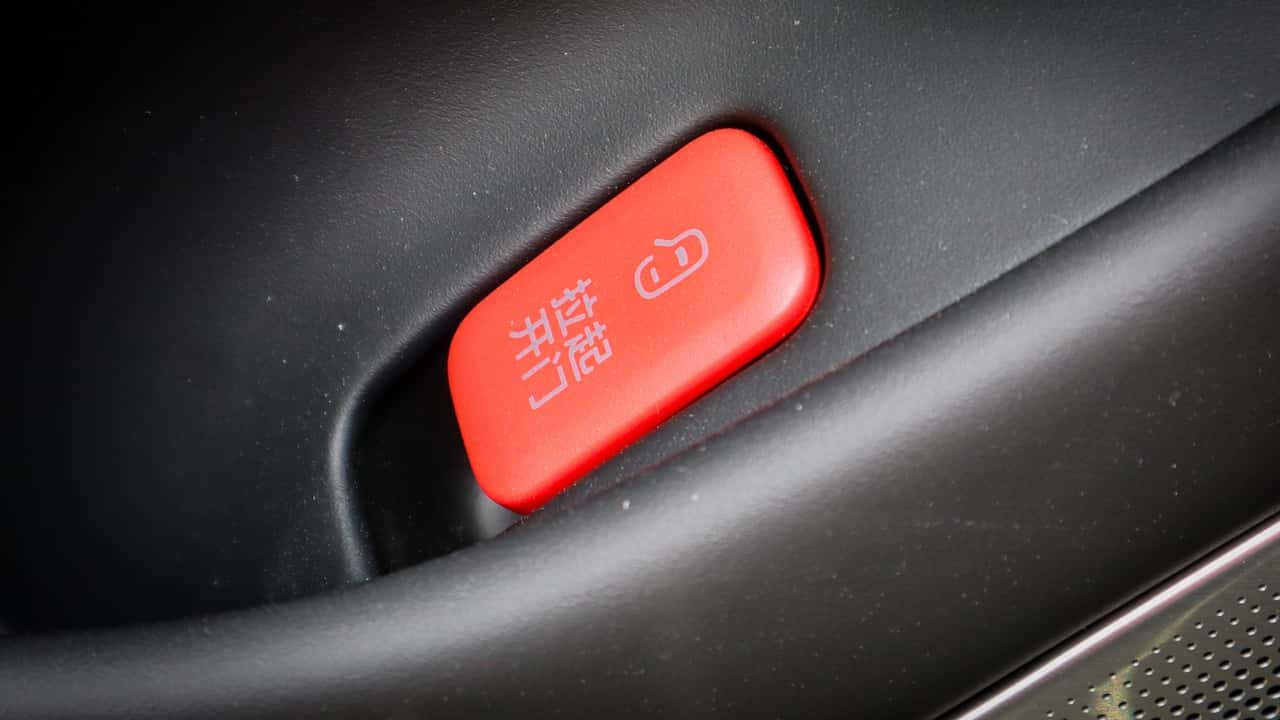
Chinese regulators have ordered a sweeping recall of millions of electric vehicles because the mechanical backup door handles, designed for emergencies, are too difficult for passengers to find. The move highlights a growing safety concern in the auto industry as manufacturers prioritize sleek, flush designs over intuitive functionality.
The recall, announced by China's market regulator, targets vehicles whose electronic door handles can fail during a crash or power loss. While automakers have installed mechanical backups to comply with safety standards, regulators determined that these hidden handles are not easily identifiable or operable by passengers under stress. In an emergency, every second counts, and a handle that is not immediately visible can delay escape and put lives at risk.
This is not merely a matter of convenience. Safety experts note that in the event of a collision, a vehicle's electrical system can be compromised, rendering automatic handles inoperable. If occupants are disoriented or the cabin is filling with smoke, a backup handle that blends into the door panel or requires a tool to activate becomes a serious hazard. The Chinese recall underscores that a mechanical failsafe is only effective if it is obvious and simple to use.
The scale of the recall is significant, affecting millions of vehicles from multiple manufacturers. While the specific models and brands were not fully detailed in the initial announcement, the scope indicates that flush door handles have become a widespread industry trend, particularly in the premium and electric vehicle segments. These designs improve aerodynamics and aesthetics, contributing to greater driving range and a modern look, but they have introduced new challenges for occupant safety.
The decision by Chinese authorities could have global implications. Many of the affected vehicles are sold in international markets, and other regulatory bodies may review their own standards in light of this action. Automakers worldwide are now likely to reassess their door handle designs, potentially moving toward solutions that offer both a sleek appearance and an unmistakable, always-accessible manual release.
Industry analysts point out that this recall represents a pivotal moment for vehicle design philosophy. The push toward minimalist interiors and flush exteriors has often placed form over function. Regulators are now signaling that safety cannot be sacrificed for style. The expectation is that future models will feature emergency handles that are clearly marked, illuminated, or positioned in a way that is intuitive for all passengers, including children and elderly individuals who may not be familiar with the vehicle's specific layout.
For current owners of affected vehicles, the recall process will involve a dealer visit to install a modification or replacement part that makes the mechanical handle more visible and easier to operate. Until then, safety advocates recommend that drivers familiarize themselves and their regular passengers with the location and operation of the emergency release mechanism in their specific vehicle model.
This event also raises broader questions about the reliance on electronic systems for critical safety functions. As cars become more software-defined, the industry must ensure that redundancy is built into systems where failure could have catastrophic consequences. The door handle recall is a clear example of a regulatory body stepping in to enforce that principle, ensuring that a simple mechanical function remains reliable even when complex electronics fail.
The long-term impact of this recall will likely be a new standard for emergency access in vehicles. We can expect to see more thoughtful designs that integrate the manual release into the door's architecture in a way that is both aesthetically pleasing and functionally obvious. The era of the hidden handle may not be over, but its execution will certainly be more scrutinized.
69