Apps Turn Everyday Life Into Data, Reshaping How Users See Themselves
A growing reliance on fitness trackers, productivity tools, and streak-based apps is creating a new kind of self-understanding built on scores and metrics, according to an analysis of how digital platforms influence behavior and decision-making.
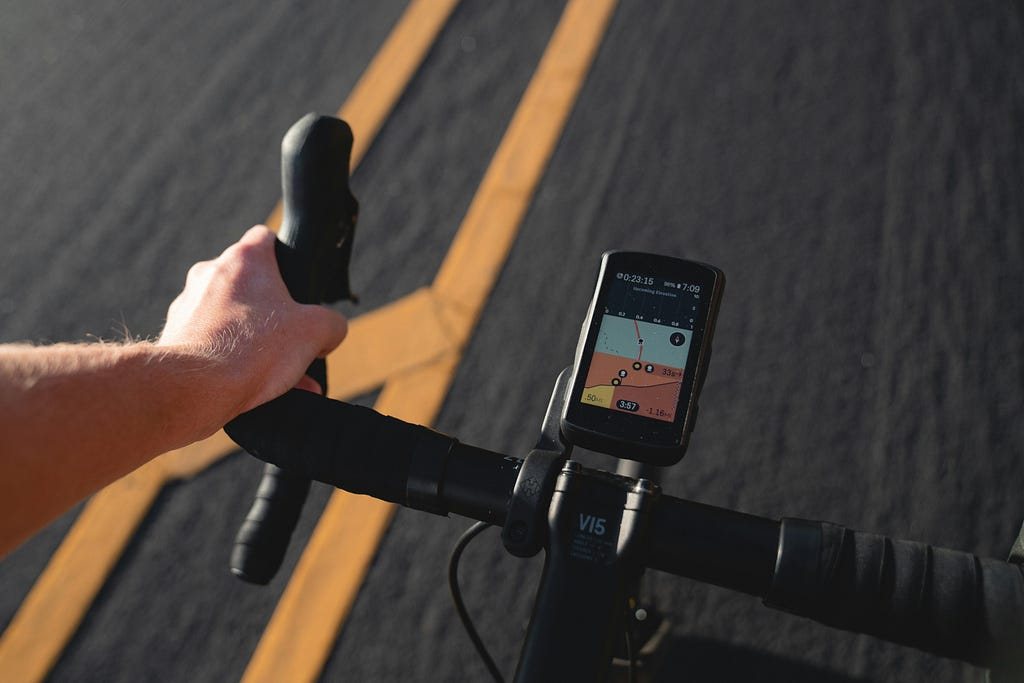
Everyday activities are increasingly being translated into numbers, and those numbers are quietly reshaping how people understand themselves. A cyclist no longer simply rides; a GPS computer tracks cadence, power, and speed. A runner no longer simply runs; an app reports pace and relative effort. A language learner no longer simply practices; a streak must be maintained at all costs. This shift is the subject of a growing body of analysis on how apps influence decisions by turning lived experience into measurable targets.
The phenomenon extends well beyond sports. Productivity is tracked in project management tools, daily step counts have become objectives for millions, and even casual activities are framed as data points to be improved. The result is what one observer describes as the «homo metricus» — a person who understands and governs themselves primarily through algorithmically defined metrics. For this person, a bike ride is not simply a ride but a training session with measurable outputs, and a day is not simply lived but scored.
The difference between a traditional cyclist and a data-driven one is not the route or the weather. Two people can cover the same distance in the same time under identical conditions and still inhabit different realities. For one, stopping at a café or taking a spontaneous detour is a free choice. For the other, those actions deviate from a structured workout and become invisible to the system. As the analysis notes, an app does not need to tell a user not to stop for coffee; it only needs to make stopping for coffee irrelevant to the workout structure. What was once a free ride becomes a set of measurable targets.
This transformation is not inherently negative. Metrics can provide useful information, help athletes train more effectively, and prevent people from pushing themselves into physical harm. A heart rate monitor that warns a cyclist to slow down can be a valuable tool. A power meter that reveals a drop in output can motivate improvement. Many users genuinely enjoy the clarity that numbers bring, and some report a deeper understanding of their performance as a result.
Yet the same metrics can begin to compete with the body's own signals. On a mountain pass, a cyclist without a computer focuses on breathing, leg fatigue, gradient, temperature, and wind. The body and environment provide the feedback. With a bike computer, a screen introduces a metrified authority that tells the rider whether they are above or below target. Over time, that metric can become more important than physical sensation. A rider may slow down before reaching a biological limit because the device warns of excessive intensity, or may believe a workout was extremely difficult because an app's effort score says so, even when the body suggests otherwise.
The consequences reach beyond athletics. When apps remove impulsive options and replace them with structured incentives, they shape behavior in subtle ways. A detour to visit a friend or a spontaneous stop becomes a deviation from the plan. The system does not need to forbid these choices; it simply needs to make them invisible within the framework of measurable progress. In this environment, the platform can come to represent the body more than the body represents itself.
Some coaches have recognized the risk. A cycling coach may prescribe workouts where the screen must be turned off, forcing the athlete to rely on internal cues. The rationale is straightforward: understanding one's body is a prerequisite for good performance, and constant metric feedback can erode that understanding. The tension between data and embodied experience is not easily resolved, but it is becoming a defining feature of life with apps.
For users, the challenge is not to reject technology but to recognize when a metric has shifted from a tool into an authority. The numbers can inform, motivate, and protect. They can also quietly redefine what counts as a good ride, a productive day, or a meaningful experience. As more of daily life becomes metrified, the question is whether people will continue to interpret their bodies and their choices through data, or whether they will reclaim the unmeasured moments that apps cannot see.
6