AI Is Rewriting the Open Web, Not Simply Killing It
Stack Overflow did not lose 98.5% of all web traffic, but new questions have collapsed from their peak. The sharper story is a shift from public pages and referrals toward private answers and AI agents.
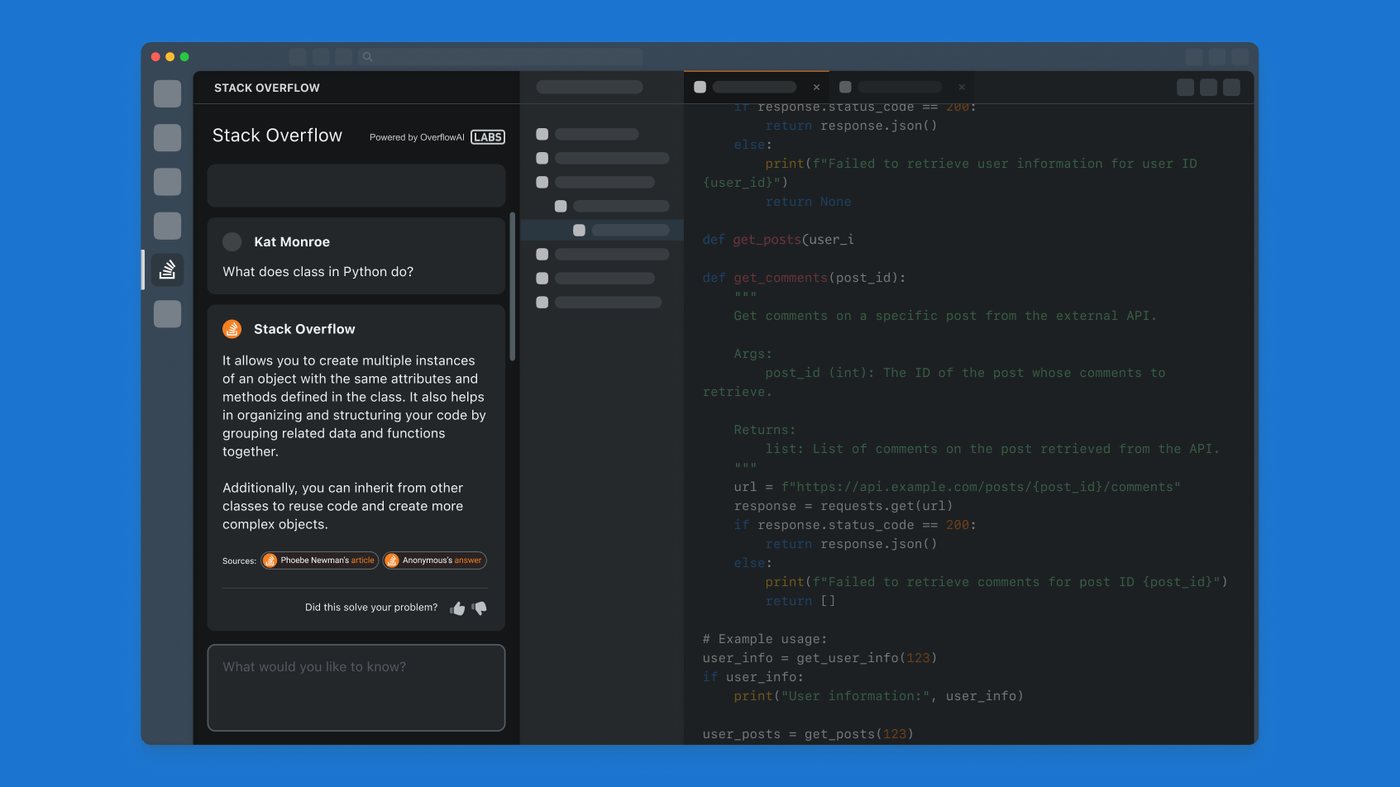
The claim that artificial intelligence has “killed 98.5% of Stack Overflow traffic” is a compelling statistic with the wrong label. Public data support a collapse of roughly that magnitude in new questions from the platform’s historical peak, not a verified 98.5% decline in total website visits.
At its 2014 peak, Stack Overflow was receiving more than 6,700 new questions a day. In May 2026, the average was roughly 42. That is close to a 99% decline in fresh questions. The site still has a vast archive and a large developer audience, but the production of new public knowledge has slowed dramatically. Research on the platform finds that the decline in contributions accelerated after ChatGPT became widely available.
That distinction matters because it reveals what AI is actually changing. A programmer once had to formulate a question publicly, wait for peers, argue over edge cases and leave behind a searchable page. Today, the same programmer can paste an error message into a chatbot and receive an immediate private answer. The task gets solved, but the conversation may never become a public resource.
The same behavioral shift is spreading well beyond coding. Similarweb estimates that generative AI platforms averaged about 9.5 billion web visits per month between June 2025 and May 2026, up roughly 70% year over year. People now use these systems for explanations, writing, images, research, planning and increasingly for actions performed by agents.
For publishers and community sites, the economic question is whether the source still gets the visit. Cloudflare says AI crawling has grown far faster than referral traffic returned to publishers, creating a structural imbalance between the material machines consume and the audience they send back. If an AI system reads a page and summarizes it inside its own interface, the user can receive the value without generating the page view that once funded the source.
Still, “the web is dying” goes too far. Stack Overflow says more than 80% of developers still visit regularly, and 75% turn to another human when they distrust an AI answer. Google argues that AI search can produce valuable outbound clicks. And when ChatGPT made source links more prominent in May 2026, Similarweb observed referral traffic from ChatGPT roughly triple.
The open web is therefore not disappearing so much as losing its monopoly on the user journey. Sites are becoming an information layer beneath answer engines. That creates a new problem: if fewer people publish questions, tutorials, reviews and firsthand experiences, future AI systems may have less fresh human material to learn from.
The next internet will likely be hybrid. AI will handle the first answer, while trusted human sources remain essential for evidence, accountability and difficult judgment. The decisive question is whether the companies building answer engines will return enough attention, attribution and money to keep those sources worth creating.
69