Sophie Cunningham Takes Stand on Women’s Sports as Debate Over Transgender Athletes Continues
WNBA player Sophie Cunningham has publicly called for protecting women’s sports from biological male participation, highlighting that many other top female athletes have remained silent or offered only vague statements on the issue.
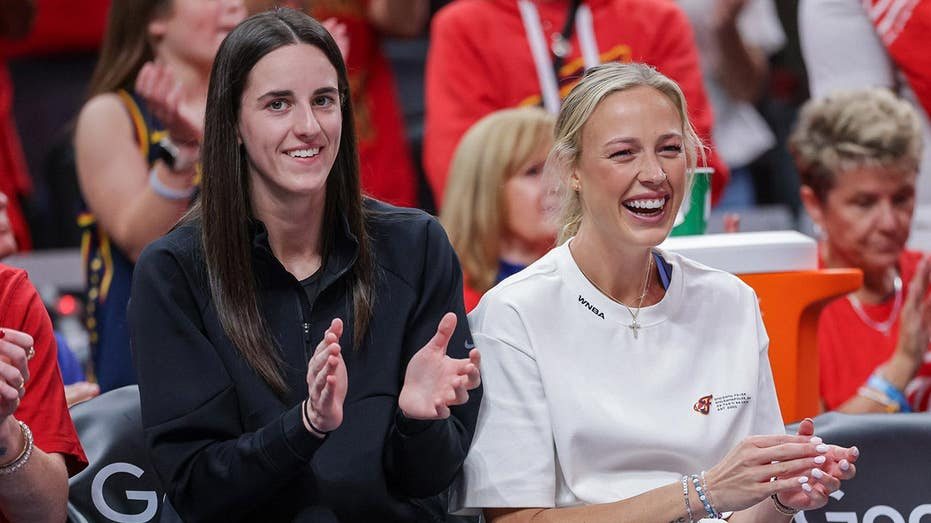
WNBA guard Sophie Cunningham has become one of the few prominent female athletes to take a firm public stance on the issue of transgender participation in women’s sports, urging stronger protections for female athletes. Her comments have drawn attention to the broader silence among many of the world’s most recognizable women in sports, as the debate over eligibility rules continues to divide public opinion.
Cunningham, who plays for the Phoenix Mercury, spoke out in support of keeping women’s competitions exclusive to biological females, describing the move as necessary to «protect young girls.» Her remarks place her among a small group of athletes who have explicitly endorsed policies that bar transgender women — those who were assigned male at birth — from competing in women’s categories. The issue has been a flashpoint in recent years, with high-profile cases such as swimmer Lia Thomas prompting lawsuits, legislative actions, and heated public discussions.
Despite the prominence of the topic, many leading female athletes have avoided taking a clear position. Gymnast Simone Biles, widely considered the most decorated female athlete currently competing, entered the fray in June 2025 during a public exchange with former swimmer Riley Gaines. Biles initially criticized Gaines for commenting on a Minnesota high school softball team that included a male player, calling Gaines «truly sick.» After facing backlash, Biles apologized for the personal attacks but maintained her support for «inclusion,» later telling reporters that she believes sports organizations should find ways for transgender athletes to compete rather than excluding them. She acknowledged the fairness question is complex.
Tennis legend Serena Williams, often cited as the greatest female player in history, has never stated a definitive position on transgender participation. However, her past comments about the physiological gap between men and women in tennis have been used by advocates for keeping women’s sports female. In a 2013 appearance on David Letterman, Williams said that if she played top male player Andy Murray, she would lose «6-0, 6-0 in five to six minutes,» adding that men’s and women’s tennis are «almost two separate sports.» While those remarks were not about eligibility policy, they have been widely referenced in the current debate.
Olympic swimmer Katie Ledecky, a nine-time gold medalist, has largely stayed out of political and cultural controversies. When directly asked by The New York Times in June 2024 about the NCAA Title IX lawsuit involving Lia Thomas, Ledecky declined to take a position. The Times reported that she «preferred not to weigh in.» Ledecky added that Americans are «lucky to live in a country where issues can be debated,» but emphasized that she prefers to focus on swimming rather than engaging in public disputes. No record exists of Ledecky being asked about the matter by other outlets.
Tennis star Coco Gauff, currently ranked among the top five women in the world, has long supported LGBTQ communities and participated in Pride-related initiatives, yet she has not addressed transgender participation in women’s sports specifically. In recent weeks, Riley Gaines publicly called on Gauff to answer the question: «Should women’s sports be exclusive to women?» So far, Gaines has not received a response.
WNBA phenomenon Caitlin Clark is one of the few athletes who has been directly asked about the issue. In a 2024 interview after being named TIME Athlete of the Year, Clark was asked about transgender participation in women’s sports. She responded, «Everybody should have the same rights. I think everybody should be able to be who they are.» She also stated that transgender people «deserve the same rights and should be treated with the same respect as anybody else.» However, Clark did not directly answer whether biological males should be allowed to compete in women’s sports, a omission that drew criticism from some advocates for female athletes.
WNBA two-time MVP A’ja Wilson has not made any public comment on the matter. Throughout her career, Wilson has spoken frequently about equality, diversity, and inclusion, but no statement specifically addressing eligibility rules for women’s sports has been recorded. There is no known instance of Wilson being asked about the issue by reporters or podcast hosts.
The lack of clear positions from such influential figures has frustrated those who argue that women’s sports need vocal defenders. Cunningham’s outspoken stance has reignited calls for other athletes to weigh in, as the debate continues to escalate at state and national levels. With legislation on transgender athlete participation pending in multiple states and ongoing court cases testing Title IX’s application, the voices of female athletes themselves remain a critical yet largely untapped element in the conversation.