Zocdoc CEO Says AI Agents Will Make Trusted Infrastructure More Valuable
Zocdoc chief executive Ross Dupree argues that AI agents will reward companies that verify real-world availability and complete transactions, after the healthcare booking platform saw agent traffic double roughly every 10 days.
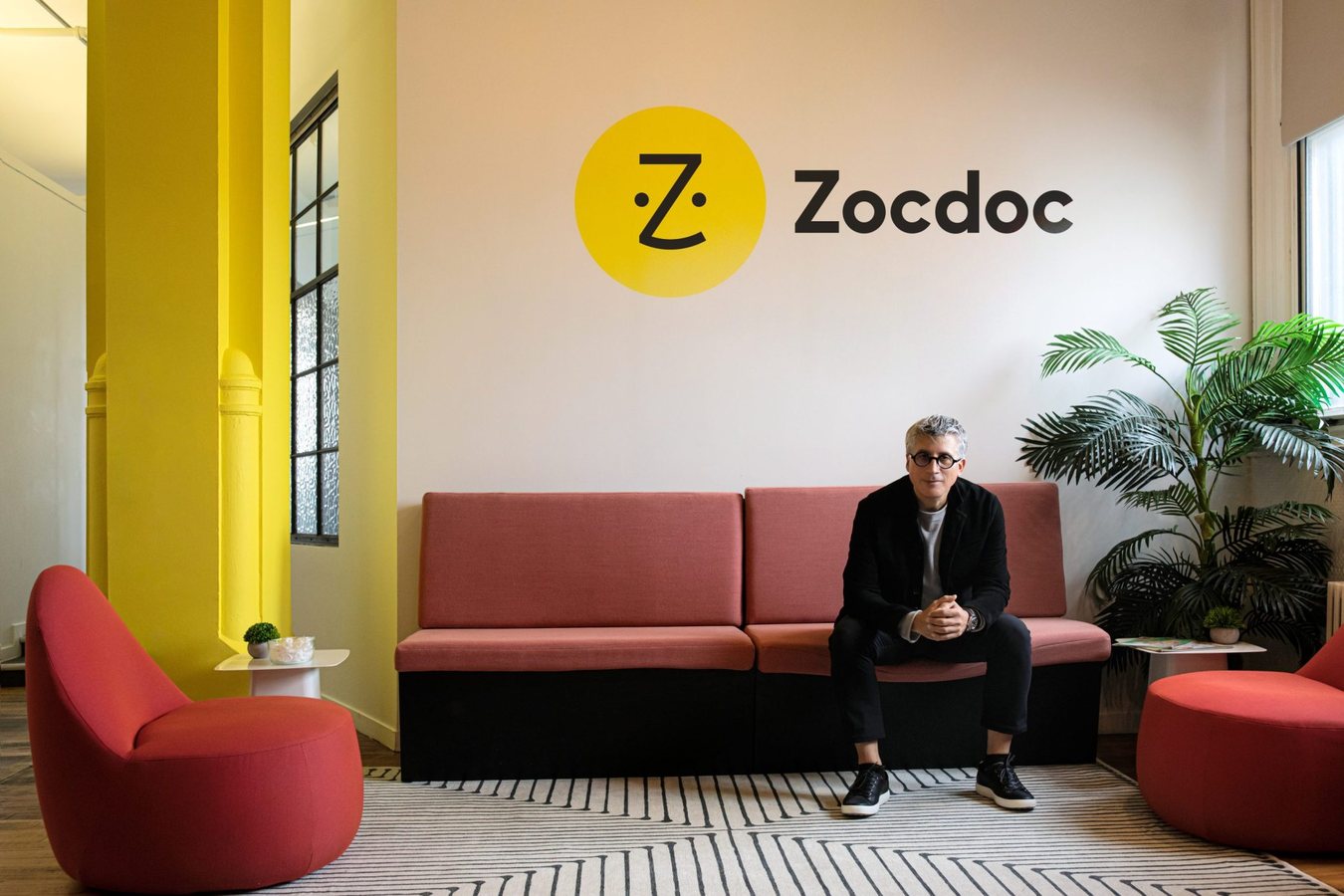
Zocdoc chief executive argues that AI agents will make his company more valuable, not less, because the platform supplies what an agent cannot generate on its own: verified availability and confirmed bookings. In a commentary published by Fortune, the CEO said traffic to Zocdoc from AI agents has doubled roughly every 10 days since early September, a pace he described as a rare moment of exponential change that should command the attention of every chief executive.
The CEO said he sent his leadership team a memo earlier in the month titled “The AI Agents are Coming (Faster Than You Think).” Within days, the company launched a “Welcome, Agents” campaign inviting AI agents to use its healthcare access infrastructure to connect patients with care. He said the team moved quickly because, once change becomes exponential, waiting for certainty carries its own risk. He noted that exponential growth tends to look insignificant until it suddenly is not, and that by the time its magnitude is clear, preparation may come too late.
The central question, in his framing, is whether AI agents will make a given business more valuable or more vulnerable. He argued that companies which do not yet know the answer are already in the more vulnerable group. Some companies, he wrote, will gain value because they provide something agents need, such as differentiated products, trusted results or infrastructure to complete transactions. Others may find that their advantage rests on undifferentiated content or a consumer interface that agents will bypass.
He placed Zocdoc in the first group and named several other businesses whose value, in his view, lies beneath their consumer interfaces: Shopify, Stripe, Airbnb, DoorDash, Lyft and SeatGeek. Their strength, he wrote, comes from verified information, trusted results and infrastructure that enables real-world transactions. He argued that an agent is only as trustworthy as its ability to deliver, noting that an agent can generate an answer but cannot produce a real reservation, an available hotel room or a product in stock.
Using healthcare as the example, he said an agent can recommend a dermatologist but cannot itself verify that the doctor is in-network, has real availability at a specific time, and can book an appointment that will appear on the provider’s calendar when the patient arrives. That requires trusted infrastructure connected to the real world rather than unverified content scraped from the open web. He said Zocdoc has spent nearly twenty years connecting healthcare’s fragmented systems, including insurance networks, provider schedules and scheduling integrations, and originally built that infrastructure to power its own marketplace.
The company is now extending that infrastructure to AI agents, he said, so that patients can access care wherever they begin their search rather than only through. He described agents as a new distribution channel that could help patients reach care, help providers in its network reach patients searching for them, and help AI platforms maintain user trust. He also said the incentives are aligned: providers pay Zocdoc a fee when the company helps them reach and book new patients, whether through its marketplace or through channels such as AI agents, and Zocdoc can generate revenue for eligible agent partners.
Looking beyond his own company, he urged leaders to act quickly, arguing that waiting for certainty is not a viable strategy during a change of this kind. He framed the task as identifying what agents will commoditize, what they will make more valuable, and what their companies must build or change to benefit. In the same spirit, a separate consumer report on the other side of the debate noted that many users are seeking ways to avoid AI features on their phones, such as the AI-generated summaries that now appear before search results. The commentary itself, however, is an argument that businesses with verified, transactional infrastructure stand to gain as agents become a larger share of how people search and buy.
5