NFL Urges Supreme Court to Treat Prediction Market Sports Contracts as Gambling
The NFL filed a Supreme Court brief supporting state gambling regulators who argue that sports prediction contracts are bets, breaking with other major leagues that have partnered with prediction market platforms.
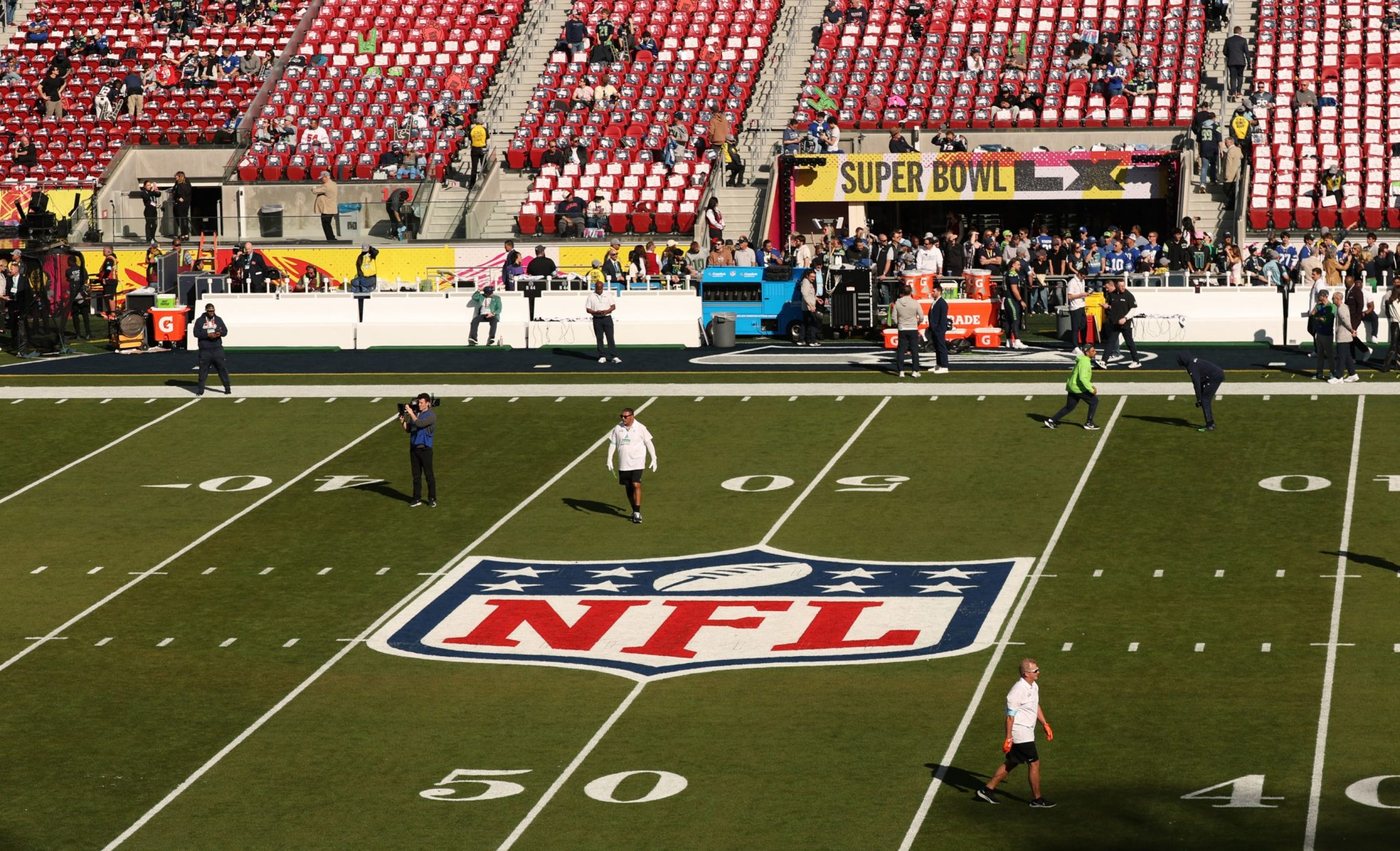
The National Football League is asking the Supreme Court to uphold state gambling laws against sports prediction contracts, taking a position that puts it at odds with other major professional sports leagues. In a 24-page brief filed Thursday, the NFL argued that contracts tied to the outcomes of games are bets, not financial instruments, and should be regulated the same way as traditional sports wagering.
The league pointed to the nearly $2 billion traded on NFL games through prediction market platforms on the opening Sunday of the 2026 season alone, which accounted for more than half of that day's total prediction market volume. The NFL urged the justices to act «before another NFL season goes by.» The Supreme Court has not yet agreed to hear the case, but it is widely expected to take it up next year.
At the center of the dispute is the Commodity Futures Trading Commission, which regulates financial products including swaps — contracts with payments tied to price changes or event outcomes. Under the current administration, the CFTC has taken a largely hands-off approach to prediction markets, allowing federally registered exchanges such as Kalshi to offer sports contracts without complying with traditional state gambling rules.
The NFL's brief confirmed its resistance to the rapid growth of event contract platforms. Citing independent research, the league said sports contracts account for 80% of Kalshi's trading volume and that the platform recorded more than $173 billion in trades through late August 2026, compared with $25 billion across all registered exchanges in 2025.
Other sports associations, including Major League Baseball, Major League Soccer and the National Hockey League, have embraced prediction markets through partnerships with Kalshi and Polymarket. Polymarket said in a statement that it shares the NFL's commitment to preserving the integrity of the game and is «actively collaborating with the CFTC, SEC, and other professional leagues toward a harmonized federal framework.» Kalshi did not immediately respond to a request for comment.
The legal fight over prediction markets intensified in late August, when the Ninth Circuit allowed Nevada regulators to enforce state gambling laws against Kalshi's sports contracts, creating a split between federal appeals courts. Nevada's Gaming Control Board had ordered Kalshi to stop offering the contracts without a state gaming license. Kalshi argued that the CFTC's authority over its platform meant state gambling laws did not apply.
The ruling created a split with the Third Circuit, which had sided with Kalshi in its dispute with New Jersey regulators in April. That court classified Kalshi's sports prediction contracts as swaps rather than bets governed by state gambling laws. The split widened last month, when the Ninth Circuit reaffirmed its position in a separate case involving the Blue Lake Rancheria tribe, and the Sixth Circuit allowed Ohio and Tennessee to enforce their gambling laws against Kalshi's sports contracts while the lawsuits continued.
In its amicus brief, the NFL sided with the Sixth and Ninth Circuits, agreeing with their position to treat sports prediction contracts as gambling rather than financial products. The league urged the Supreme Court to resolve the split, arguing that conflicting rulings leave oversight unclear and raise concerns about cheating, insider trading and consumer protection.

5