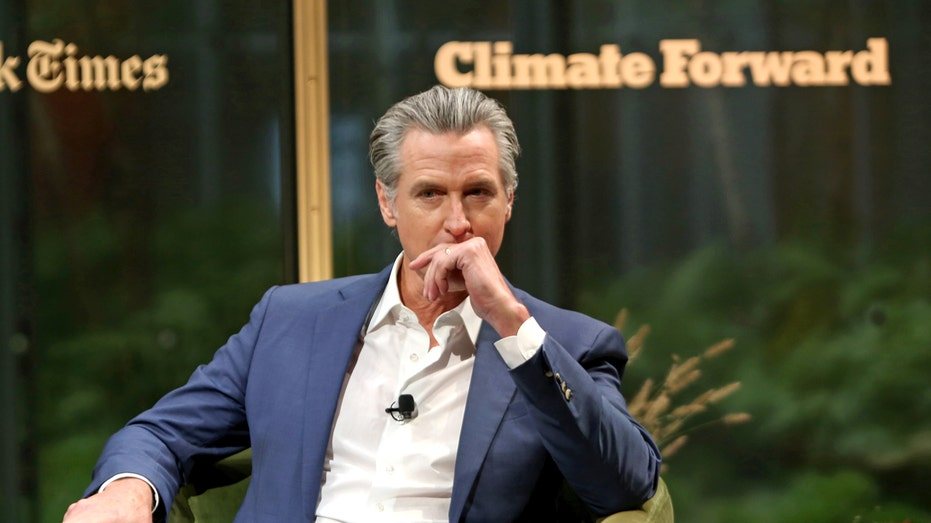
California Governor Gavin Newsom is facing renewed criticism after his office confirmed that the state will continue to permit transgender athletes to compete in girls' sports, following a landmark Supreme Court ruling this week that upheld state laws banning males from women's athletics. The decision has reignited a contentious national debate over fairness, inclusion, and the interpretation of Title IX protections.
The Supreme Court ruled 6-3 to uphold state laws that restrict participation in women's sports to athletes who are biologically female at birth. However, a spokesperson for Newsom's office stated that the ruling does not affect California's existing policies. The state remains committed to ensuring every Californian, including the LGBTQ community, is treated with dignity and respect, the spokesperson told Fox News Digital.
Newsom's office provided a bulleted list titled “As a Governor, Governor Newsom has the strongest record in the country on protecting and expanding transgender rights,” which included achievements such as making it easier to update gender markers on official documents and appointing multiple transgender judges. The statement drew sharp reactions from women's sports advocates, including former NCAA swimmer Riley Gaines and former Levi Strauss executive Jennifer Sey, who condemned the governor's stance on social media.
The controversy comes amid ongoing legal and political battles over transgender participation in sports. President Donald Trump's Department of Justice has filed Title IX lawsuits against education agencies in California, challenging policies that allow transgender athletes to compete in girls' high school sports. The lawsuit was launched in July after a transgender athlete, AB Hernandez, won two state titles in track and field events at the California state championships.
Hernandez, a prominent transgender athlete, has been at the center of a national media crisis in California for the second consecutive year. In May, Hernandez advanced in the California state championship, prompting protests from groups like Save Girls' Sports, led by former NCAA women's soccer player Sophia Lorey. Protesters held a news conference near the competition grounds, calling for policies that protect female athletes.
Newsom's office previously addressed the protests, stating that discussions on the issue should be guided by fairness, dignity, and respect. The governor rejected what he described as the right wing's cynical attempt to weaponize the debate to vilify individual children. His position, according to the statement, is to stand with all kids and stand up to bullies.
Despite this, Newsom acknowledged during an episode of his podcast in March 2025 that allowing males to compete in girls' sports is “deeply unfair.” The apparent contradiction has fueled criticism from opponents who argue that his administration's policies undermine the integrity of women's athletics.
The Supreme Court's ruling has provided a legal framework for states to enforce bans on transgender athletes in women's sports, but California's defiance highlights the ongoing divide between federal and state interpretations of Title IX. Legal experts suggest that the state's stance could lead to further litigation, as the Justice Department continues to pursue cases against California's education agencies.
Supporters of transgender rights argue that inclusion policies are essential for protecting vulnerable youth from discrimination and harm. They point to studies showing that transgender athletes do not have a significant competitive advantage, though this remains a contested claim. Opponents, however, emphasize the importance of preserving fair competition and opportunities for female athletes, who have historically faced barriers in sports.
The issue has become a flashpoint in American politics, with both sides mobilizing supporters. In California, the debate has drawn national attention, with activists on both sides planning further protests and legal challenges. The state's policies are likely to remain a subject of intense scrutiny as the 2026 midterm elections approach.
As the legal and cultural battles continue, the situation in California serves as a microcosm of the broader national struggle over how to balance inclusion, fairness, and the rights of all athletes. The coming months will likely see more court cases, legislative actions, and public demonstrations as stakeholders on all sides seek to shape the future of women's sports.