Fed holds rates steady as Cook and Hammack dissent for a hike
The Federal Reserve kept its benchmark rate at 3.75% to 4% in a 10-2 vote, with Governor Lisa Cook and Cleveland Fed President Beth Hammack favoring an increase. It marks the first time since 1992 that a Fed governor and a regional president dissented together on the same side.
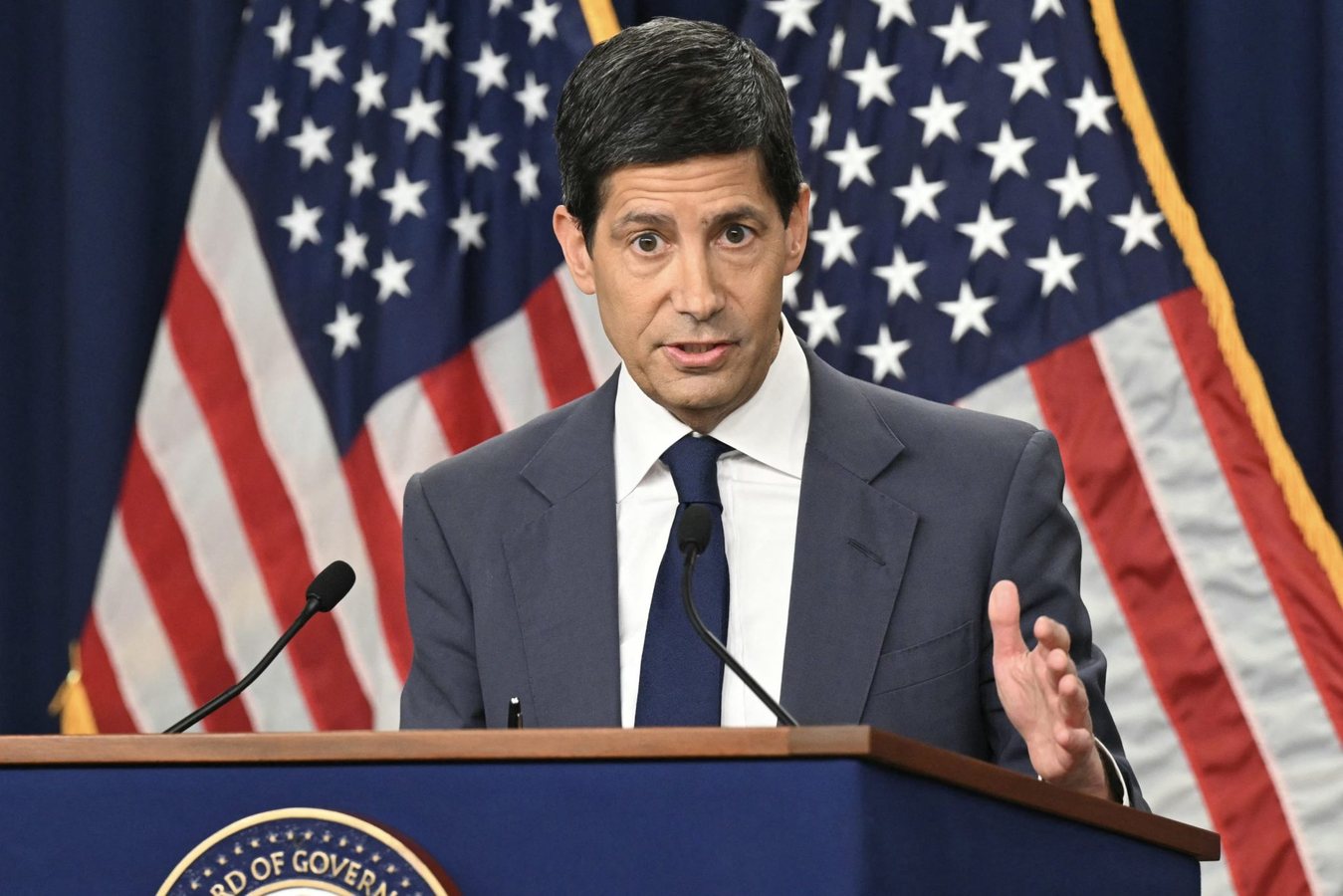
The Federal Reserve held interest rates steady on Wednesday, six days before the midterm elections, but two officials broke ranks in a vote that drew attention for its rarity. Fed Governor Lisa Cook, whom President Donald Trump has tried to fire, joined Cleveland Fed President Beth Hammack in preferring a quarter-point increase to the federal funds rate target range. The Federal Open Market Committee voted 10-2 to keep its benchmark rate at 3.75% to 4%.
The Fed said in its statement that Cook and Hammack both « preferred to raise the target range for the federal funds rate by 1/4 percentage point at this meeting ». The vote carried two firsts. It was Cook's first dissent since she joined the board in 2022, and it was the first time since October 1992 that a Fed governor and a regional bank president dissented on the same side of a decision. In that earlier episode, Governor Lawrence Lindsey and Cleveland Fed President Jerry Jordan both wanted an immediate rate cut, while Governor John LaWare and St. Louis Fed President Thomas Melzer dissented together in the other direction.
Fed records show how uncommon such pairings have become. In 1993, governors Wayne Angell and Lindsey twice dissented together in favor of higher rates, but no regional president joined them. Philadelphia Fed President Edward Boehne later dissented alongside Angell, objecting from the opposite direction. LaWare dissented alone in December 1994, when he wanted an immediate hike. After that stretch, governors largely stopped dissenting. Mark Olson broke ranks alone in 2005, and Michelle Bowman did the same in 2024. Since then, governors and presidents have dissented at the same meetings but on opposite sides. In October 2025, Governor Stephen Miran pushed for a bigger cut while Kansas City Fed President Jeff Schmid opposed cutting at all. In April, Miran wanted a cut while Hammack, Minneapolis Fed President Neel Kashkari and Dallas Fed President Lorie Logan objected to the statement's signal that cuts were coming.
Laura Ullrich, director of economic research for North America at the Indeed Hiring Lab and a former Richmond Fed staffer, said the pairing stood out. « It's not that common to have one governor and one president that dissent, » she said. Hammack's vote did not surprise her, since Hammack had laid out her views at a conference in Cleveland two weeks earlier. « The Lisa Cook dissent was more surprising, » Ullrich said.
The Fed kept its view that inflation « remains elevated. » At a press conference after the decision, Fed Chair Kevin Warsh said the committee chose to wait and assess the data. « What we decided to do was to call these questions, take stock of where we are, evaluate what we're seeing out the window, ask ourselves whether the period right in front of us is likely to provide more clarity, » he said. Warsh added: « The overwhelming consensus is that what we've done in this monetary medicine is starting to work some, but there is no firm conclusions. »
Ullrich called the decision a waiting game and said she believes a hike is likely soon. « Since the last meeting, none of the inflation data has gotten better. It's gotten worse, » she said, adding that she sees the probability of a December hike as very high. Consumer prices rose 3.7% from a year earlier in September. Before Wednesday's decision, traders put the odds of a December hike at 78%, according to CME Group's FedWatch tool.
Aubrey Woessner, associate economist at the Indeed Hiring Lab, said the decision was difficult to reconcile with the committee's repeated pledge to restore price stability over the past five months. « Whether the public believes the Fed will bring inflation down in a timely manner matters for everyone, » Woessner said. Ullrich noted that inflation expectations have been creeping up, though she called it « pretty incredible » that they have stayed as anchored as they have. « If inflation expectations go up, the literature shows that inflation follows, » she said.
The timing relative to the midterms drew comment, but Ullrich cautioned against reading into it. She noted the Fed has hiked, cut and held steady in past pre-midterm periods. « I wouldn't read too much into that, » she said, adding that the run-up to each meeting is driven by data. The Fed also upgraded its view of the economy, saying activity is « expanding at a strong pace, » up from « solid » in September. Ullrich said Indeed's job postings index turned positive year over year in mid-September for the first time in four years, but added that the economy still appears to be in a low-hire, low-fire environment.
5