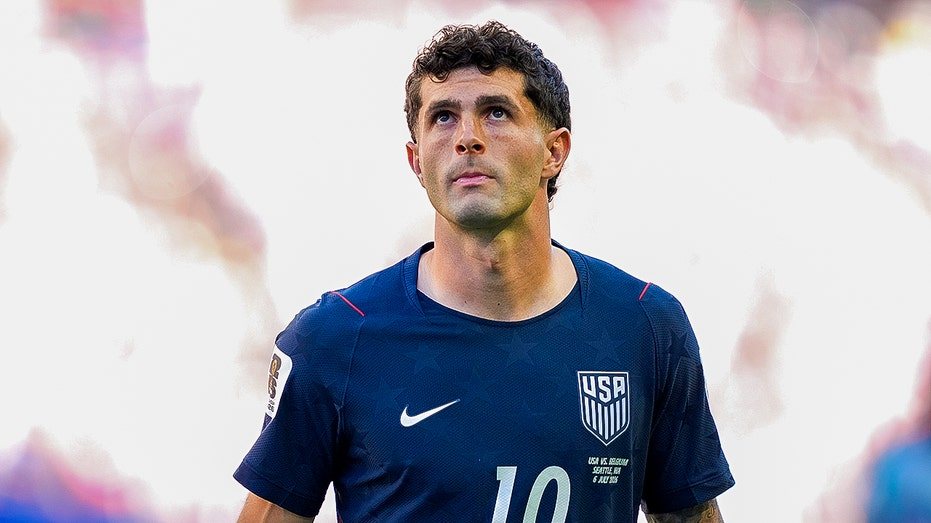
The United States men's national team saw its 2026 FIFA World Cup campaign come to a decisive end on Tuesday, as Belgium defeated the USMNT 4-1 in a Round of 16 match played before a sold-out, heavily American crowd in Seattle. The loss eliminates the U.S. from the tournament and sends Belgium into the quarterfinals, where they will face Spain later this week.
Belgium struck early, with forward Charles De Ketelaere scoring just nine minutes into the match to put the U.S. on its heels. The goal set the tone for a first half in which the American defense struggled to contain Belgium's attack. The U.S. managed to equalize in the 37th minute when Malik Tillman's free kick deflected off a Belgian defender and past legendary goalkeeper Thibaut Courtois, briefly restoring momentum for the home side.
However, that momentum was short-lived. Just two minutes later, De Ketelaere scored his second goal of the half, capitalizing on shaky U.S. defending to give Belgium a 2-1 lead heading into halftime. The goal prompted an outburst from U.S. manager Mauricio Pochettino, who kicked water bottles on the sideline in frustration. The incident highlighted the tension surrounding a team that had shown promise earlier in the tournament but faltered when it mattered most.
The second half brought further disaster for the U.S. In the 57th minute, goalkeeper Matt Freese made a costly error. Attempting to clear a through ball while De Ketelaere chased it down, Freese got his foot caught in the turf. His desperate clearance attempt went awry, allowing Hans Vanaken to score into an empty net. The goal was widely described as one of the worst conceded by any team in this World Cup, effectively crushing any hope of a U.S. comeback.
To compound the team's troubles, star player Christian Pulisic, often called «Captain America,» was forced to leave the match after suffering an injury while attempting a shot. Pulisic's right foot struck the back heel of a Belgian defender instead of the ball, causing him to go down in visible pain. He tried to continue but was eventually substituted for Sebastian Berhalter. Pulisic's absence further weakened the U.S. attack, which had already been struggling to break down Belgium's organized defense.
Folarin Balogun, who had been cleared to play after FIFA invoked Article 27 of its disciplinary code to suspend his red card from the previous match, was largely neutralized by Belgium's defense. He never managed a clean shot on goal, as Belgium effectively closed down space and prevented the U.S. from creating clear scoring opportunities.
The U.S. pushed for an equalizer in the second half, with Berhalter narrowly missing a shot that went just wide of Courtois's goal. But Belgium held firm, learning from their near-collapse against Senegal in the Round of 32, when they allowed a second-half comeback. This time, they maintained their defensive discipline and sealed the victory in stoppage time when star striker Romelu Lukaku scored past Freese, putting a final exclamation point on a dominant performance.
For the U.S., the loss marks a disappointing end to a World Cup that had shown flashes of promise. The team advanced from the group stage with a Round of 32 victory over Bosnia and Herzegovina, but defensive lapses and an inability to capitalize on key moments proved costly against a more experienced Belgian side. Pochettino, who took over as manager earlier in the tournament cycle, now faces questions about the team's direction and the need to address defensive vulnerabilities ahead of future competitions.
Belgium, meanwhile, advances to the quarterfinals with confidence, having controlled the match from start to finish. Their next opponent, Spain, will present a significant challenge, but the Red Devils have demonstrated the depth and tactical discipline needed to compete at the highest level. The victory also served as a statement of intent for a team that has long been considered among the world's best but has yet to win a World Cup title.
The match drew a large and passionate crowd in Seattle, with U.S. fans creating a lively atmosphere despite the eventual result. The support underscored the growing interest in soccer in the United States, even as the national team fell short of its goals on the field. For the USMNT, the focus now shifts to rebuilding and preparing for the next cycle, with lessons to be learned from a tournament that ended earlier than many had hoped.