
Wisconsin Democratic Gubernatorial Candidate Francesca Hong Avoids Direct Answer on Police Abolition
State Representative Francesca Hong, the Democratic frontrunner for Wisconsin governor, declined to clarify whether she still supports abolishing police, instead focusing on alternative public safety measures during a campaign event.
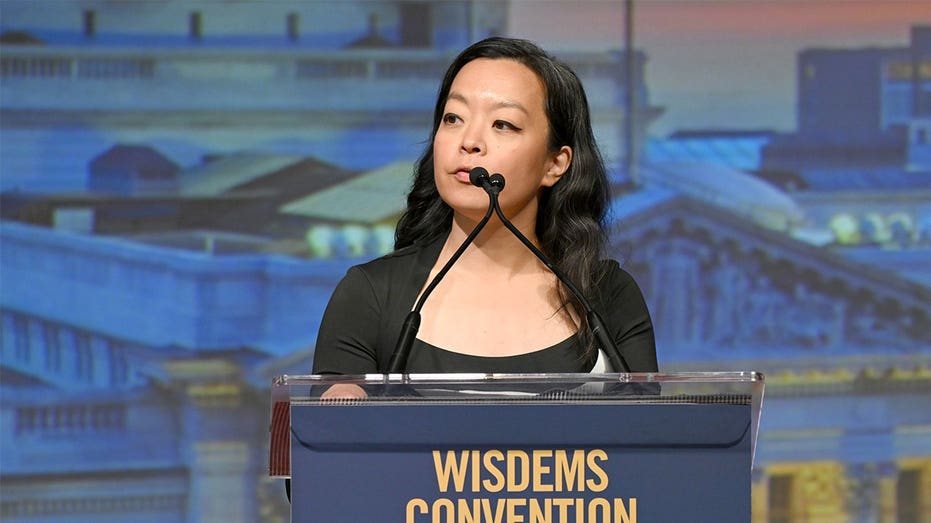
Wisconsin gubernatorial candidate Francesca Hong, a Democratic state representative and self-described democratic socialist, repeatedly sidestepped direct questions about her past support for abolishing police during a Tuesday event at Marquette University in Milwaukee. When pressed by Politico reporter Jonathan Martin on whether she still holds that long-term goal, Hong deflected, calling for «systems of care» and redirecting criminal justice spending instead of giving a yes or no answer.
«So, this system is not working,» Hong said. «If we want to be serious, we better be putting these billions into things we know prevent crime.» As Martin continued to ask about her position, a campaign aide intervened and ended the exchange. Hong’s campaign communications director, Allison Geyer, later told Fox News Digital that the candidate «has spoken in the past about police and prison abolition as an aspirational goal, akin to eradicating disease or eliminating poverty,» and that her values have not changed, only the way she discusses the issue.
The incident revived scrutiny of Hong’s 2021 social media post following the police shooting of Jacob Blake in Kenosha, Wisconsin. In that post, she wrote: «How is 7 bullets in the back not excessive force? Police exist to uphold White supremacy. Defund then abolish. Reform can't be an option.» At a televised debate hours before the Marquette event, Hong joined her four Democratic opponents in pledging not to cut police funding in the state budget, stating, «The governor cannot defund police, and I am not here to govern by slogan.»
Hong’s campaign platform does not call for eliminating police departments or cutting their funding. Instead, it emphasizes support for noncarceral crime-prevention programs, reentry services, red flag laws, universal background checks, and safe-storage requirements. Despite this moderate public safety framework, her past statements have become a focal point in the primary race.
A Marquette Law School poll released Wednesday showed Hong leading the Democratic primary field with 38% support among likely voters, up from 26% a week earlier. Former Lieutenant Governor Mandela Barnes trailed at 16%, Milwaukee County Executive David Crowley had 7%, and 34% remained undecided. The survey of 407 primary voters carried a 6.6-percentage-point margin of error. Hong’s rise has unsettled some Democrats who fear her progressive positions could hurt the party’s chances in the general election against the expected Republican nominee, Representative Tom Tiffany.
Republican efforts appear to be amplifying Hong’s more controversial stances. The Republican Governors Association has spent nearly $3.6 million on ads portraying Hong as dangerously liberal, according to a Wisconsin Ethics Commission filing reported by WisPolitics. Democratic strategist Joe Zepecki, who is not supporting any candidate in the primary, accused Republicans of «trying to pick an opponent they think they can beat,» calling the ad campaign a «sneaky, underhanded, blatant attempt to meddle in the democratic process.» Joel Brennan, a former Wisconsin Department of Administration secretary running against Hong for the nomination, echoed those concerns in a memo, arguing that the ads are intended to lift «a candidate they are confident they can beat in November because of her extreme positions on defunding police, abolishing prisons and other views out of step with mainstream Wisconsin values.»
The exchange at Marquette underscores the delicate balancing act Hong faces as she tries to appeal to progressive primary voters while positioning herself as a moderate on public safety for the general election. With the primary less than two months away, her handling of the police abolition question may continue to shape the race.