Fathers now take paid leave at rates close to mothers in several states
Data from states with paid leave programs show men filing claims at rising rates, with fathers now accounting for 40% of claims in eight programs and taking longer leaves than before.
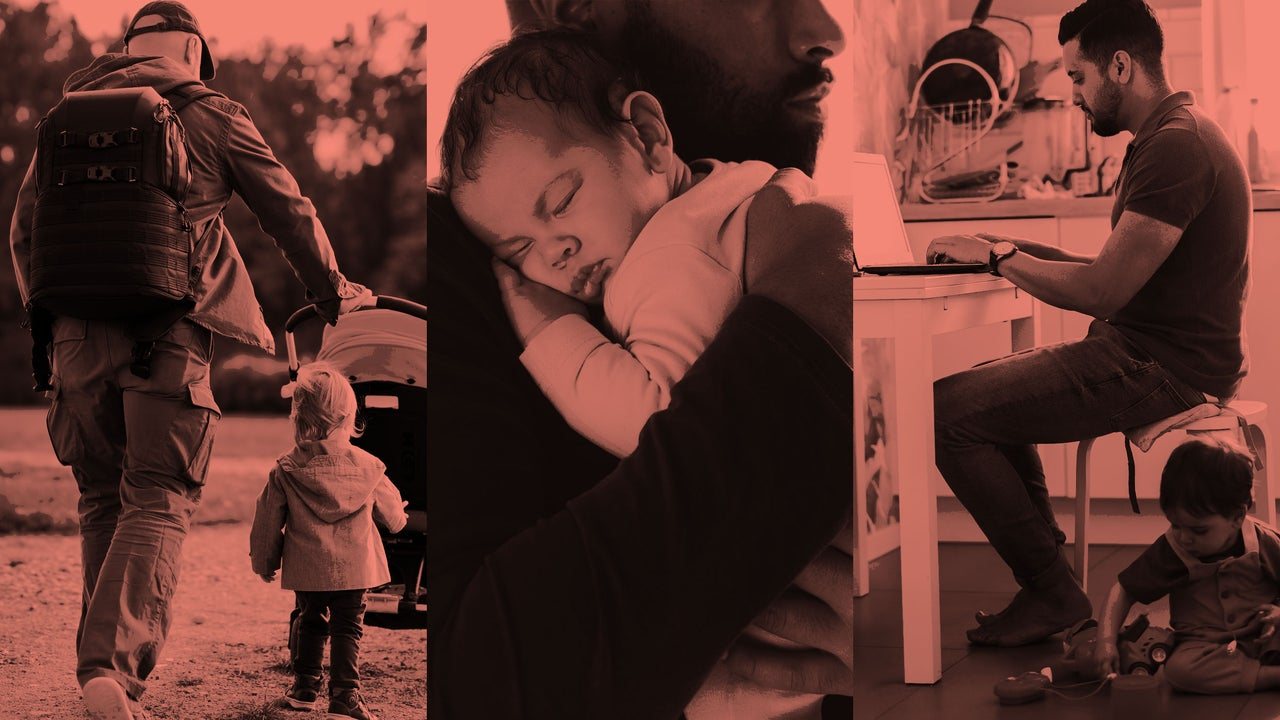
Fathers are taking more parental leave than at any point in recent memory, and in several states they are now filing claims at rates close to those of mothers. A report from the advocacy group Paid Leave for All found that men are filing at least as many leave claims as women in California, Colorado and Washington. Across eight state programs with at least a year of data, claims from men now make up 40% of the total.
That figure marks a sharp change from a decade ago, when the earliest paid leave programs launched in California, New Jersey and Rhode Island. Molly Weston Williamson, a senior fellow at the Center for American Progress who authored the report, said women far outnumbered men among bonding leave applicants at the start. "What we've seen over time is that men are catching up to or coming close to the number of claims from women," she said. In the three states that adopted paid leave first, the number of claims from men has climbed significantly, and states that enacted programs more recently are seeing men file more claims from the outset.
For much of the past several years, the picture looked far less encouraging. Men often took some time off when a child was born, but it was typically brief, often less than a week, and frequently cobbled together from vacation days, sick days or unpaid time. Richard Petts, a sociology professor at Ball State University, described the common pattern: fathers would be present at the hospital and then return to work once mother and baby came home. Research from the American Institute for Boys and Men suggests that pattern is shifting. Its analysis found men are taking more leave and that the gap between the time men and women take is slowly narrowing. Richard Reeves, the institute's president, said the share of fathers taking time off, the amount of time they take and the amount of parenting they do have all increased in just the last few years.
Not every analysis has been as optimistic. An earlier report from the Minneapolis Federal Reserve offered a more discouraging view of paid leave use by men, but it drew only on data from before 2020. That means it did not account for the newer state policies that have enabled more men to take leave. Reeves's institute also found that men are more likely to take intermittent leave or work partial weeks rather than taking several consecutive weeks off. Even so, the rate at which dads take leave has roughly tripled since 2019, with the gains concentrated in states that offer paid leave.
A separate study from the New Practice Lab at New America points in the same direction. On average, men in states with paid leave take more than four weeks, which is more than a week longer than the average in other states. Fathers still take less time than mothers, averaging about two weeks. Petts noted that when only men who take any leave are counted, the figure rises to more than three weeks. "You could say that fathers have sort of doubled their average length of leave," he said. Men are also more likely now to draw on leave explicitly set aside for parents, rather than relying on sick days or unpaid time off.
Access remains uneven. Only about a quarter of private sector employees have paid leave through their employer, which makes state programs essential for workers who would otherwise have no coverage. Fourteen states now operate leave programs, meaning about one in three workers can access paid leave. Williamson said that where there is no public policy guarantee, access varies widely, and higher-income, full-time workers are far more likely to have it. Williamson summed up the broader trend in states with programs: "when dads have the opportunity to take paid leave, they're showing up and taking it."
7