
Why security is becoming part of the McDonald’s experience in Italy
A viral ethnic framing is not supported by evidence, but reviews, a documented stabbing case and a 2026 security protocol show a real shift in how some Italian restaurants manage public-facing space.
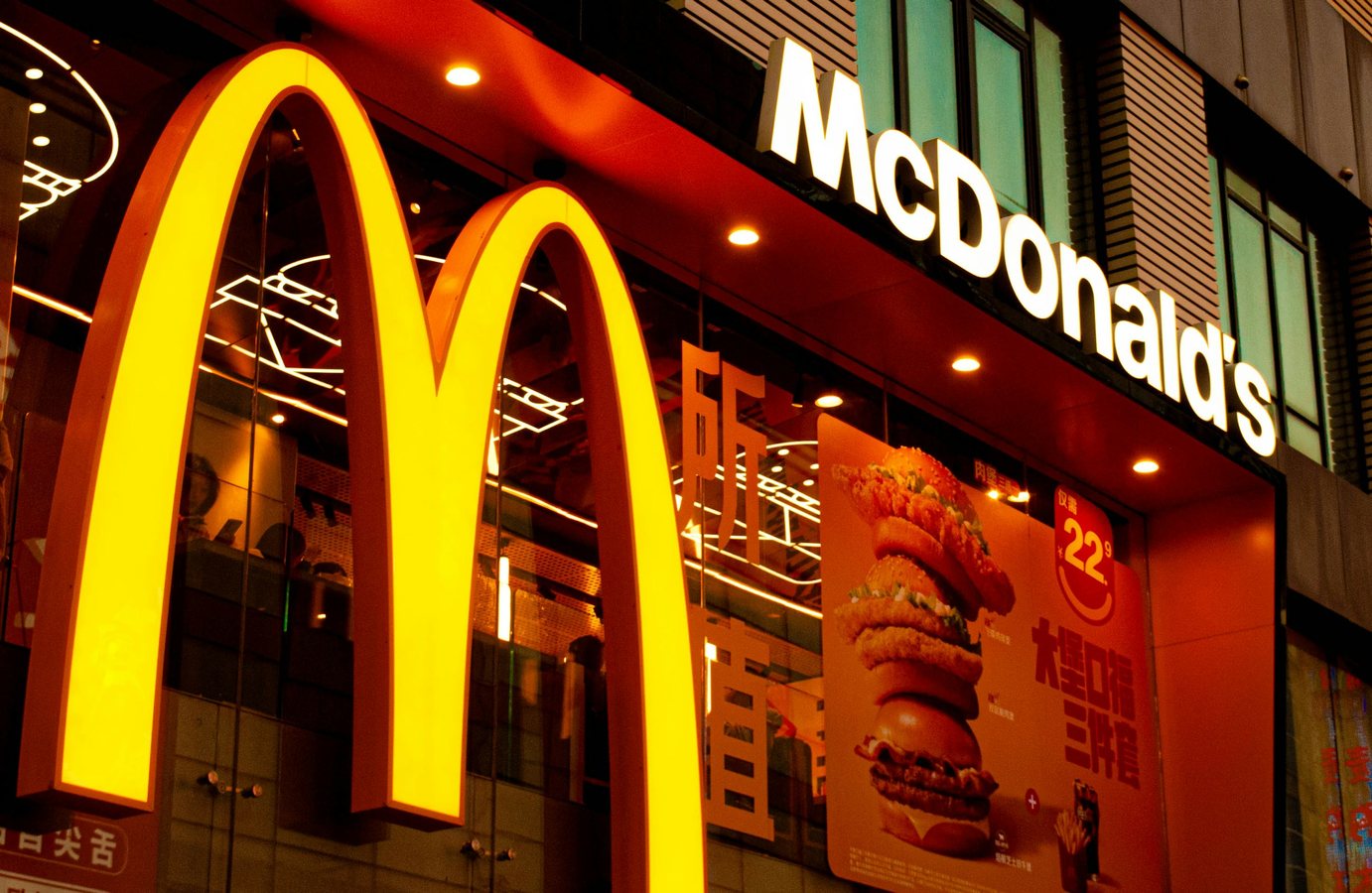
A McDonald’s in a busy European city can be more than a place to buy a meal. It can function as a waiting room, a bathroom stop, a warm place to sit and a meeting point for people who may never place an order. That is the setting behind a viral story claiming that an Italian restaurant had found a “radical” answer to disorder by hiring African security workers to remove other Africans who beg or disturb customers. MAIR’s Italian publication Ascensio examined the story in “Guardie e mendicanti nei McDonald’s italiani.” It found no evidence of such an ethnic hiring policy. What it found instead was a broader and well-documented security story.
Customer reviews from Milan describe a visible layer of control in some restaurants: security staff or people perceived as security, receipt checks and restrictions on restroom access. In a March 2025 TripAdvisor review about a McDonald’s near Piazzale Loreto, one customer described a tall man he perceived as African who insisted that an order be made before the restroom could be used. That is a user account, not an employment record. It cannot establish the man’s job title, nationality or the reason he was working there.
Other reviews from central Milan refer to security or “bouncers” and complain about aggressive interactions around entry or bathroom rules. Those reports matter because they show what customers experience and what they talk about online. But they do not prove a corporate strategy.
Naples offers a useful counterpoint. A 2025 review of the McDonald’s at Piazza Garibaldi said two security workers were present, yet the customer still reported being repeatedly approached for money. If accurate, that experience shows why security cannot be reduced to one person standing by a door. A restaurant at a major station sits inside a larger urban environment.
There is also a much more serious verified precedent. In December 2017, ANSA reported, citing Milan police, that a group described by the agency as North African had occupied tables and disturbed customers at a McDonald’s. A manager asked a security guard to remove them. During the conflict, a customer who verbally supported the guard was stabbed.
By 2026, the response had become more institutional. In Frosinone, the prefecture and McDonald’s announced a security protocol that included stronger video surveillance, continuous lighting around exterior areas, staff training and faster communication with law enforcement. The model shifts the emphasis from physical intervention alone to prevention, documentation and rapid escalation.
McDonald’s business structure helps explain why practices may differ sharply from one location to another. The company says more than 90 percent of its Italian restaurants are operated by franchisees. In January 2026, McDonald’s Italia cited more than 800 restaurants, about 38,000 employees and more than 165 local franchise entrepreneurs.
That makes the viral ethnic claim especially weak as an explanation. Local operators may contract different security providers and use different rules, but the open materials reviewed by Ascensio do not show a national McDonald’s policy of matching guards to visitors by ethnic origin. McDonald’s own public statements emphasize inclusion, people and safe workplaces.
The more revealing story is about the changing boundary between commercial and public space. A restaurant that offers long hours, seating and restrooms in a crowded district becomes part of the city’s social infrastructure, even though it remains private property. Italy’s McDonald’s cases show how those competing expectations are turning security into a visible part of the fast-food experience.
81