
Ukrainian children spend part of summer at an Orthodox camp in Greece
A source provided to the newsroom says 130 children are taking part. Public records separately confirm an August camp organized by the Orthodox Church of Ukraine and the Athens Archdiocese’s established children’s camp network.
Ukrainian children are spending part of August at an Orthodox summer camp in Greece, combining recreation, cultural visits and a religious program. A primary source provided to the newsroom says 130 children are staying at a camp of the Archdiocese of Athens under an arrangement involving Metropolitan Epiphanius of Kyiv and All Ukraine and Archbishop Ieronymos of Athens and All Greece.
The broader program can be independently documented, even though those two specific details have not yet appeared in a separately indexed fresh official release. An official channel for the Boyarka community in Ukraine announced a Greece camp for children ages 9 to 15 from August 2 through August 14, 2026, naming the Orthodox Church of Ukraine as the organizer.
For that group, families were told to cover transportation, while accommodation, meals and excursions would be provided at no cost. The itinerary included time at the sea, a visit to the Acropolis, a water park, monasteries, meetings with Greek clergy and spiritual discussions. Those details apply to the Boyarka group and should not automatically be treated as the schedule for every child mentioned in the original report.
The Archdiocese of Athens has long-standing infrastructure for children’s programs. Its official website says its camps are part of the “Η Αγία Φιλοθέη” Center for Education, Culture and Volunteerism and are located in Attica. Archbishop Ieronymos II opened the camp facilities in 2012. The archdiocese has continued offering summer activities for children in 2026.
The initiative also fits a longer pattern of Greek support for Ukrainians since Russia’s full-scale invasion. In March 2022, Ieronymos discussed humanitarian assistance with Ukraine’s ambassador and offered archdiocesan facilities for refugees, with particular attention to minors. In 2024, Hellenic Aid, part of Greece’s foreign ministry structure, ran a separate summer camp in Attica for children from Odesa.
For Ukrainian families, the immediate value is straightforward. A camp can give children a period of ordinary summer life — swimming, excursions, shared meals and new friendships — while substantially reducing the cost of staying abroad. The program also allows religious institutions to turn international relationships into a concrete service rather than leaving them at the level of ceremonies and statements.
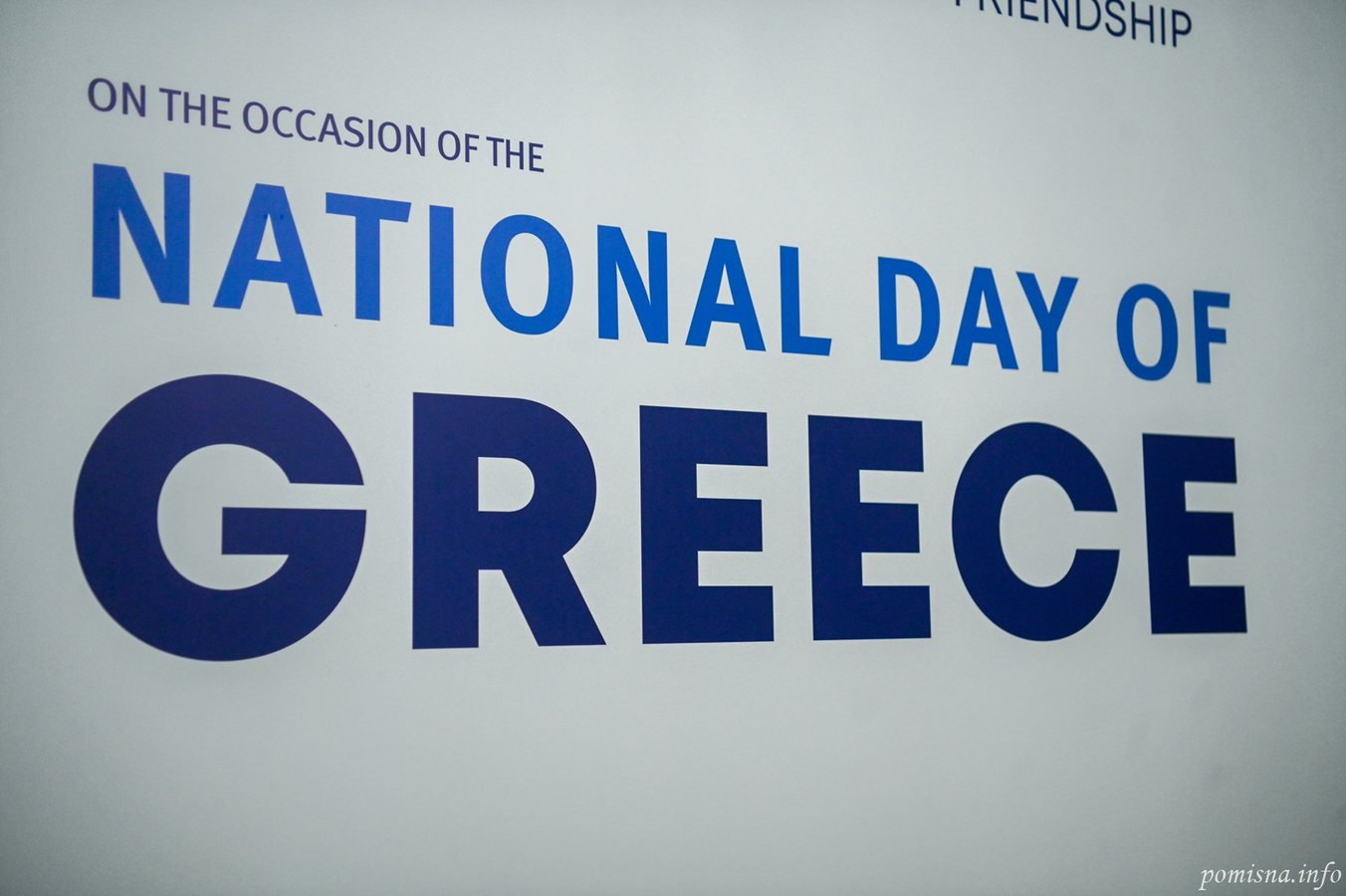
Epiphanius has publicly emphasized Ukrainian-Greek ties as well. At a March 24, 2026 reception marking Greece’s national day, he thanked the Greek people and government for supporting Ukraine and expressed hope for the continued development of good bilateral relations. A children’s summer program gives that broader relationship a direct human dimension.
The newsroom is keeping the evidence levels separate. The figure of 130 children and the description of a personal agreement between Epiphanius and Ieronymos come from the source supplied to the newsroom and remain independently unverified at publication-preparation time. The existence of the August Orthodox Church of Ukraine camp, the subsidized conditions for one documented group and the Archdiocese of Athens camp infrastructure are supported by public sources.
72