Trump pardons mechanics convicted in emissions tampering cases, citing right to repair
President Donald Trump granted full pardons to more than half a dozen mechanics and shop owners convicted under the Biden administration for disabling emissions control systems on heavy-duty trucks, framing the clemency as a defense of the right to repair and a rebuke of what he called federal overreach.
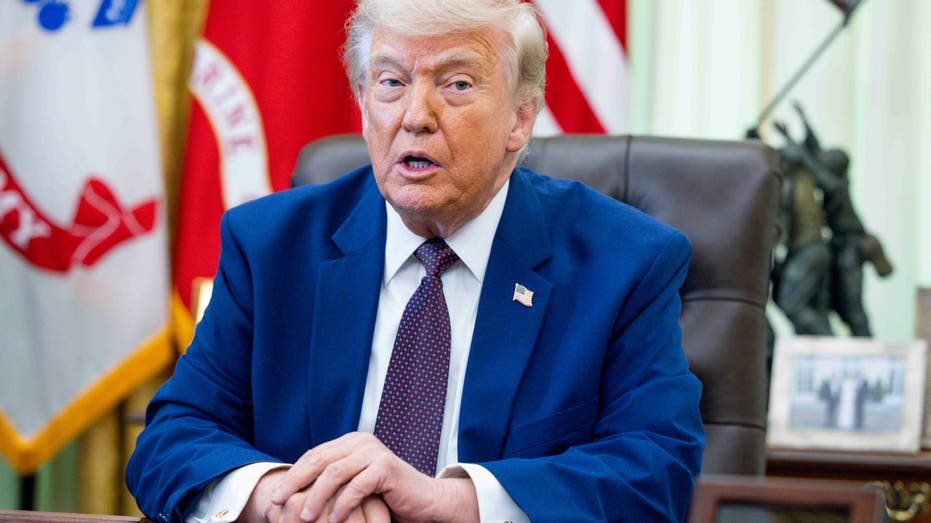
President Donald Trump on Friday announced full executive pardons for more than half a dozen people he said were persecuted by the Biden administration for fixing their own vehicles, marking a significant escalation in his push to expand the right to repair. In a post on his Truth Social platform, Trump declared he was setting them all free right now, taking aim at federal prosecutions he characterized as part of the weaponization and stupidity of the prior administration.
Those receiving clemency include Joshua Davis, Matt Geouge, Jonathan Achtemeier, Tim Clancy, Ryan and Wade Lalone, Barry Pierce, Aaron Rudolf, and Mackenzie Spurlock. A White House official told Fox News Digital that the individuals were charged after circumventing emissions control regulations that are no longer in effect. The pardons align with Trump's broader effort to protect self-repair rights, following a presidential memo signed earlier in the week designed to make it easier for Americans to repair their own vehicles by opening up options for aftermarket parts.
During an Oval Office news conference, Trump said the issue came to his attention because he noticed authorities were arresting people for fixing their cars. He added that the administration rules by common sense. The executive clemency follows the high-profile federal environmental case involving Elite Diesel Service Inc. and its owner, Troy Lake Sr., who received a full and unconditional pardon on November 7, 2025, wiping away his conviction in the case United States v. Elite Diesel Service, Inc. et al.
According to federal plea agreements, Elite Diesel had instructed employees to disable computerized on-board diagnostic systems on at least 344 heavy-duty commercial trucks between January 2017 and December 2020. These diagnostic systems are federally mandated under the Clean Air Act to monitor emissions control systems. Lake was sentenced on December 5, 2024, to more than a year in prison and a $2,500 fine. His company was placed on probation for five years, ordered to pay a fine of $37,500, and required to make a $12,500 payment to a Colorado Department of Public Health and the Environment program designed to repair emissions systems for low-income drivers.
Government prosecutors argued that Elite Diesel's co-conspirators, including other diesel truck garages and fleets, hired Lake's company to manipulate the computers so that emission system malfunctions would go undetected, according to a statement from the U.S. Attorney's Office for the District of Colorado. The Environmental Protection Agency's sprawling investigation ultimately swept up eight alleged co-conspirator garages and fleets across seven states, including Kansas, North Dakota, and Oklahoma. The businesses were ordered to pay heavy fines and fund local community service projects, such as buying clean school buses or electric groundskeeping equipment to offset environmental impacts, according to the U.S. Attorney's Office.
At the time, Biden administration officials defended the criminal prosecutions as essential for public health. EPA Criminal Investigation Division Special Agent Lance Ehrig accused the defendants of leading a large-scale conspiracy that diminished air quality. A study cited by the prosecution claimed the tampered trucks collectively released more than 1,300 tons of excess nitrogen oxides and other pollutants into the air. The case highlighted the tension between federal environmental regulations and the growing right-to-repair movement, which argues that vehicle owners and independent mechanics should have the freedom to modify or repair their property without government interference.
Trump's pardons and the accompanying presidential memo represent a sharp reversal of federal policy under the previous administration. The memo, signed earlier this week, directs federal agencies to review and revise regulations that restrict consumers' ability to repair their own vehicles, particularly in the agricultural and transportation sectors. Supporters of the right-to-repair movement have long argued that restrictive policies benefit large manufacturers at the expense of small businesses and individual owners. Critics, however, warn that weakening emissions controls could lead to increased air pollution and public health risks, particularly in communities near major trucking routes.
The individuals pardoned on Friday were among those caught up in the EPA's crackdown on diesel emissions tampering, which began under the Biden administration and targeted a network of garages and fleets across the Midwest and Plains states. The case drew attention from conservative lawmakers and advocacy groups who argued that the prosecutions were overly aggressive and targeted small business owners rather than major polluters. Trump's clemency is likely to reignite debate over the balance between environmental enforcement and property rights, as well as the scope of presidential pardon power.
94