Lewiston, Maine, Faces Youth Gun Violence Crisis Amid Debate Over Juvenile Justice
Police in Lewiston, Maine, have logged 35 gun-related incidents this year, 22 involving juveniles, prompting city officials to add patrol funding and call for changes to the juvenile justice system.
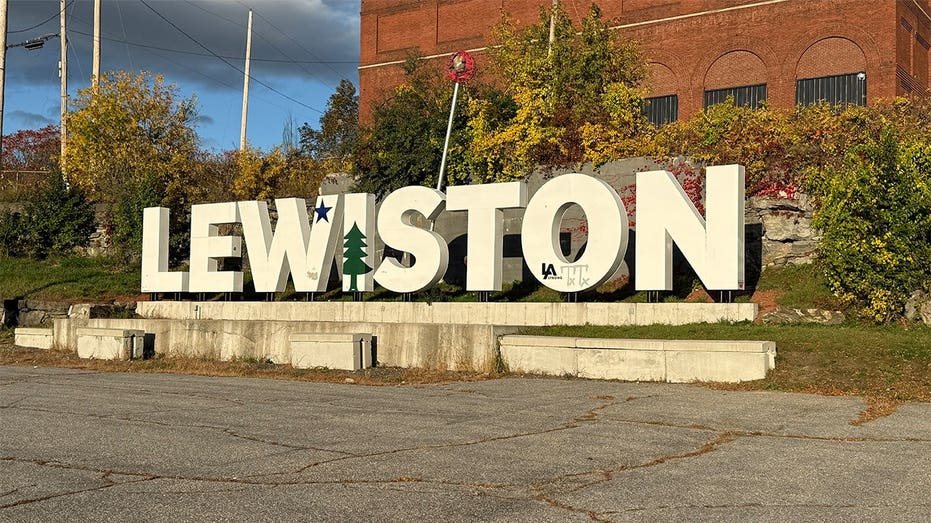
Lewiston, Maine, a former mill city transformed over the past quarter century by an influx of refugees and immigrants, is grappling with a surge in youth gun violence. Police have reported 35 gun-related incidents this year, 22 of which involved juveniles, and local leaders describe the problem as one of the most serious public safety challenges the city faces.
Residents say the violence has changed daily life. Mohamed Muhumed, a Lewiston teenager, told Fox News Digital, « I don’t feel safe. I fear for my life. » He recalled witnessing a punch thrown in the middle of a sidewalk, adding, « It’s crazy. » Police Chief Carly Conley has characterized gun violence as one of the most serious public safety challenges facing the city.
Jon Fetherston, a reporter for the conservative-leaning The Maine Wire who has covered the issue extensively, said most of the gun violence has been committed by teenagers, and that some have been arrested and released by the courts within a short period. « Residents are scared, » Fetherston said. « Residents are very, very frustrated, and you’ve got kids shooting kids, and it’s almost become commonplace here in Lewiston. »
City officials have responded by approving $200,000 in additional police overtime funding to expand patrols and enforcement. They have also urged changes to Maine’s juvenile justice system, including more options for handling repeat violent offenders and greater scrutiny before high-risk juveniles are released. Mayor Carl Sheline said in a statement last month that the added resources are « sending a strong message to those perpetrating gun violence: we will find you. » He also said, « Parental involvement and accountability are key to reducing youth gun violence in our city. »
Rick LaChapelle, a Republican and former city council president now running for mayor, placed much of the blame on the justice system itself. He pointed to one young man who he said had been arrested five times for the same type of offense, and argued that the system lacks accountability. « We need to change the rules of the system, » LaChapelle said. He credited the police department with doing an excellent job making arrests.
Fox News Digital reached out to Mayor Sheline about his efforts to combat the violence, but he had not responded by the time the story was published. Official city and police data do not indicate that Somali residents as a group are responsible for the violence or establish a link between ethnicity and the increase. LaChapelle nonetheless said, « That seems to be who’s being arrested right now. »
Teenagers interviewed in the city rejected an ethnic explanation. Mohamed Adbei said, « I wouldn’t just say it’s the Somali kids. It’s youth in general. » Ifraax Saciid, a Somali native who lived in Atlanta before moving to Lewiston, said the root cause is poverty. « Lewiston is very poor and is economically not in a good state, » she said, adding that similar trends appear in other states where she has lived, including Florida, Ohio, Kentucky and Minnesota.
The community has also been tied in recent years to fraud cases involving Maine’s joint federal and state Medicaid program. Saciid said fraud occurs across the United States among people of every background and is not tied to one group.
The Somali presence in Lewiston began about 25 years ago, when refugees and secondary migrants began relocating to the city along the Androscoggin River in search of safe neighborhoods and affordable housing. In 2002, then-Mayor Larry Raymond drew national attention after asking Somali leaders to discourage further migration to Lewiston, arguing that the rapid influx was straining city resources. Today Lewiston has one of the highest per capita Muslim populations in the country, most of it Somali along with refugees from other African nations. Fetherston argued that events have borne out Raymond’s concern that the change came too fast, while LaChapelle, whose ancestors were French Canadian immigrants, said the country needs legal immigration that is managed logically and lawfully.
5