SpaceX AI Debt Deal Stalls Amid Credit Market Volatility
SpaceX's proposed $40 billion financing for Nvidia chips has hit obstacles as rising borrowing costs and volatile credit markets complicate pricing talks, according to Bloomberg reporting.
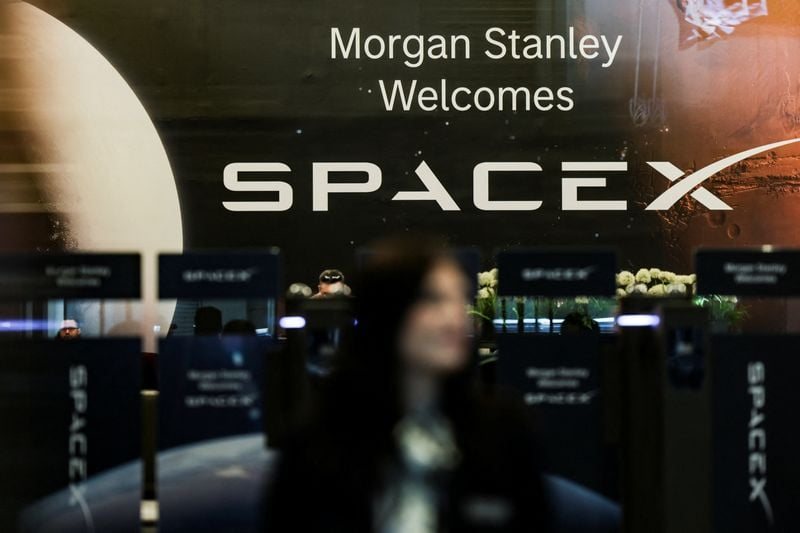
SpaceX's effort to finalize a $40 billion debt package to buy Nvidia chips for its artificial intelligence operations has run into trouble as turmoil in the credit markets pushes up borrowing costs for the entire sector. The deal, which would be structured off the company's own balance sheet, is being slowed by renewed negotiations over pricing.
The transaction is designed to fund purchases of Nvidia chips through a special purpose vehicle, keeping the liabilities off SpaceX's books and helping protect its investment-grade credit ratings, according to people familiar with the matter. Goldman Sachs is leading discussions with investors headed by Apollo Global Management, and Apollo-backed Atlas SP is expected to manage the financing vehicle. Pacific Investment Management Co. is also considering participating. Earlier discussions had placed yields on a subordinated portion of the debt in the mid-8% range, but worsening market conditions have prompted fresh pricing talks.
The structure, as reported, would combine roughly $10 billion of bank loans with about $30 billion of investment-grade debt, with the chips themselves expected to serve as collateral. Financial Times reporting first described the plan, and Bloomberg said the talks were at an early stage and could end without a completed transaction. Semafor later reported that the debt was being finalized at sharply higher interest rates than SpaceX paid when it last sold bonds, with the lowest-rated portion expected to carry rates of about 8.3% and a safer piece backed by chips likely to price near 7.75%. Those figures were reported by people familiar with the deal and could change before the debt is finalized.
The financing follows a period of heavy borrowing for SpaceX. The company sold $25 billion of investment-grade bonds in June, two weeks after its record initial public offering, and that offering saw strong demand. Since then, artificial intelligence-related bonds have sold off and credit spreads have widened. SpaceX's existing bonds have weakened in recent days, and default insurance on the company has also widened, according to reporting cited in the market coverage.
Concerns have centered on the scale of the company's debt. SpaceX's total debt stood at about $39.7 billion at the end of June, and if the new package were completed, issued and proposed borrowing since June would reach roughly $65 billion, according to market commentary. Some portfolio managers have said their worries relate mainly to how much debt SpaceX is adding and how quickly. The structure also follows an earlier financing arrangement involving xAI, which SpaceX acquired in February, and which was not recognized as a completed sale-leaseback transaction by auditors, leaving roughly $13 billion of debt on the company's books.
SpaceX executives have indicated that additional borrowing will be needed to support expansion while keeping investment-grade ratings. Analysts have pointed to the company's reliance on its Starlink internet business and its government-backed launch business to underpin its credit profile, even as xAI continues to post significant operating losses. Public filings show xAI generated $3.2 billion in revenue last year while reporting an operating loss of $6.4 billion. The deal is expected to close in 2027 if it proceeds, and the outcome will be closely watched as investors reassess the risks of financing large-scale AI infrastructure.
8