Rural food insecurity rose to nearly 16% as grocery distribution costs climb
Rural food insecurity rose from 12% in 2019 to nearly 16% in 2024, and researchers point to a 1935 trucking rule and a 1936 pricing law that once protected rural grocers and were weakened from the 1970s onward.
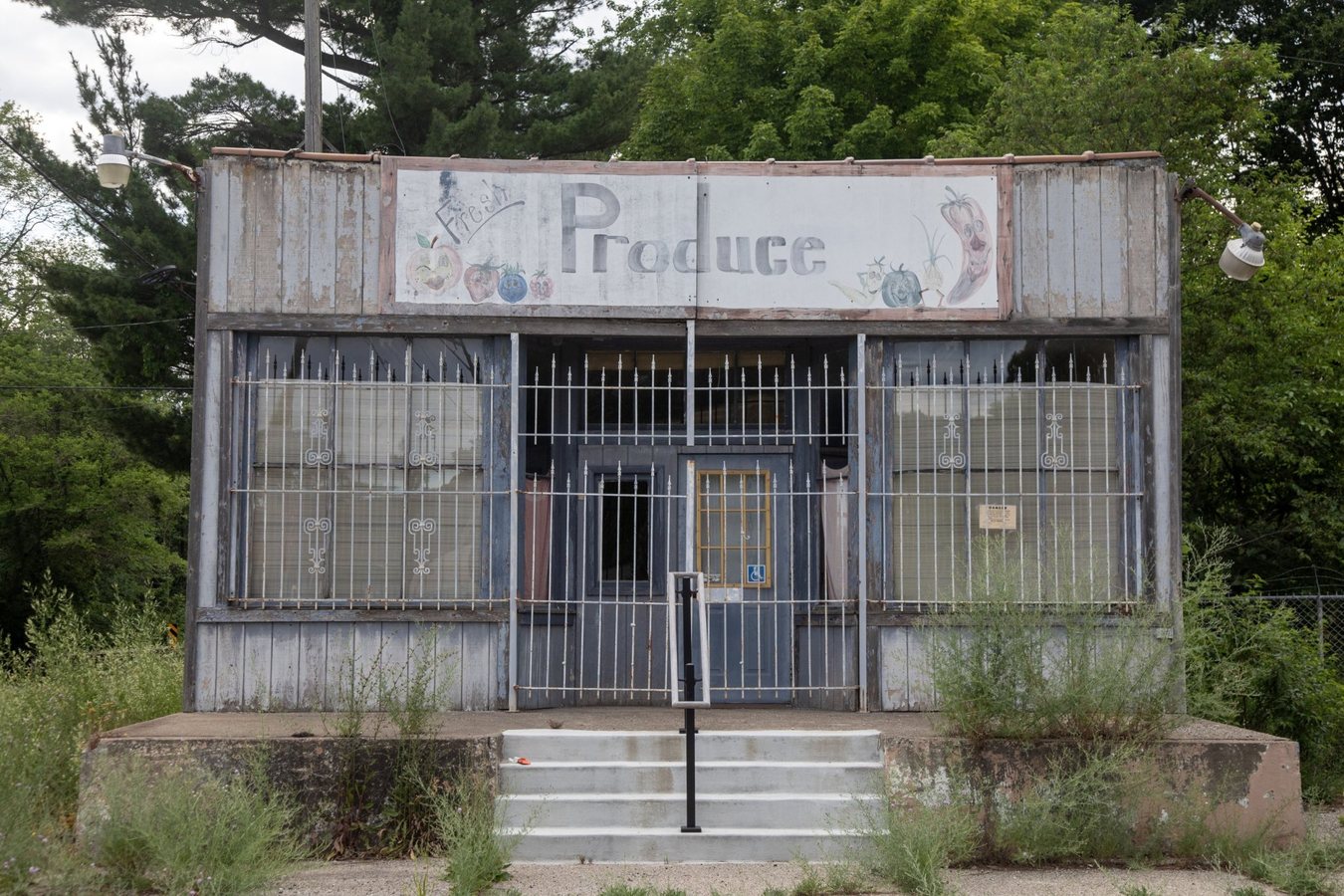
Rural households are increasingly struggling to put fresh food on the table. Food insecurity among rural households rose from 12% in 2019 to nearly 16% in 2024, according to the U.S. Department of Agriculture. Low incomes play a role, but researchers who study food systems say the problem is also rooted in how groceries are delivered to small towns and remote counties.
Delivering food to rural areas costs distributors more, and those costs are passed on to shoppers in the form of higher prices and fewer choices. Perishable products such as produce, meat and dairy must travel in refrigerated trucks, which makes them among the most expensive goods to distribute. Rural routes add to the expense. Small stores place small orders and rarely fill a truck on their own, so distributors either run long, multi-stop routes or send trucks out and back partly empty. Either way, costs rise, and many national supply chains have little incentive to prioritize rural communities.
The researchers argue that this was not always the case. In 1935, the Motor Carrier Act required licensed trucking companies to serve specific regions, so carriers served rural and urban routes alike. In exchange for a regional operating license, companies offset unprofitable rural service with the higher margins they earned on profitable city-to-city routes. The following year, the Robinson-Patman Act barred wholesale suppliers from favoring large grocers with better prices, advertising or exclusive deals, which discouraged retailers from growing simply to win better terms. Together, the two laws protected rural grocers from large chains and split distribution costs between urban and rural communities. As a result, a small-town grocer in 1950 had access to much the same products as a city grocer in the same region.
Those protections eroded over several decades. Although the Robinson-Patman Act remains on the books, enforcement waned in the 1970s as the influence of Chicago School economists pushed policy toward deregulation. Grocery companies consolidated and gained control of supply chains by accumulating large buying power. In 1980, President Jimmy Carter signed a new Motor Carrier Act that removed the requirement for trucking companies to serve specific regions. Once carriers could choose their routes, service to rural areas declined as they prioritized more profitable urban corridors. The researchers say the loss of these safeguards raised rural distribution costs and allowed large grocers to grow larger still, gaining wholesale discounts that independent stores could not match.
The shift was amplified in the 1990s, when chain stores began using point-of-sale data from checkout and loyalty-program records. Large companies had the resources to analyze purchasing patterns across whole regions, while local businesses did not. Chains later adopted early forms of artificial intelligence to find patterns in large datasets and to improve trucking logistics around high-density, high-margin urban routes. The researchers say this has pushed independent grocers further to the margins.
To measure the gap, the researchers used USDA and Department of Transportation databases along with AI models. They found that national distributors are underserving West Virginia, Arizona, Texas, Michigan, North Dakota, South Dakota and Montana when it comes to refrigerated meat, dairy and other prepared foods. In a closer look at produce, they focused on Wisconsin, using proprietary data from Transearch, a tool transportation planners use to track interstate commerce. In most Wisconsin counties, national distributors delivered less than 9.2 pounds of leafy greens per person a year, or less than a third of the 30 to 35 pounds a typical American eats annually. Urban counties around Milwaukee and Madison received 19 to 37 pounds per person annually.
Interviews with grocers, distributors and food pantry volunteers across 13 northern Wisconsin counties help explain the disparity. Federal safety rules cap truck drivers at 11 hours behind the wheel, so a distant delivery fits into a shift only if the truck has a single stop. One distributor said that to be profitable, the company needs multiple stops on each truck, which is why many far-off stores are not of interest. Independent retailers operate more than half of rural grocery stores and account for 38% of food sales in those areas. Some rural grocers have joined or formed distribution cooperatives that they own and govern, but the researchers say cooperatives alone will not solve the underlying problem. The researchers argue that the existing legal framework, if enforced, could help restore fairer delivery to rural America.
6