Jewish teens are deepening their identity as they head back to school
Jewish Student Union reports a surge in requests for new clubs since Oct. 7, 2023, as teens respond to rising antisemitism by seeking more Jewish community, not less.
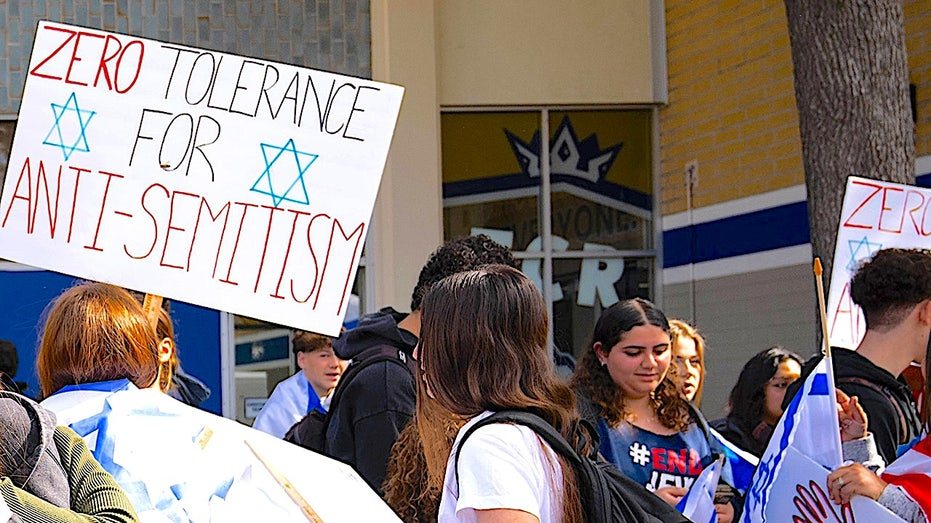
As American students prepare for the new school year, many Jewish families are adding a new set of questions to their back-to-school lists: Should my daughter wear her Star of David openly or keep it hidden? Should my son remove the Israeli flag sticker from his water bottle? How will teachers respond to requests for Rosh Hashanah days off? These concerns reflect a broader climate that has become more complicated for Jewish teens since the October 7, 2023, attacks and the ensuing debates over Israel.
Jewish Student Union (JSU), a national network of more than 515 clubs serving over 21,000 Jewish teens in public and community high schools across the United States and Canada, has seen a dramatic increase in interest. Before October 7, the organization received roughly 15 to 20 requests a year from teens looking to start new clubs. Since then, 473 teens have reached out through JSU’s national system to request a club at their school. That number only includes teens who found JSU on their own, not those who connected through local staff, summer experiences, or friends at other schools.
According to JSU leadership, this surge signals that teens are not asking for less Judaism in their lives. Instead, they are seeking more opportunities to find each other, build community, and take an active role in shaping it. This desire is especially significant given the environment many of these students are navigating. In Michigan, for example, Jewish students are returning to school after a difficult year. In March, a terrorist attacked the largest synagogue in the state in Bloomfield Hills. Weeks later, Michigan Democrats nominated Abdul El-Sayed for the U.S. Senate, a candidate who has called the Israeli government “just as evil” as Hamas and questioned whether Israel should exist as a Jewish state. The Anti-Defamation League, which rarely wades into campaigns, publicly criticized him for peddling antisemitic tropes.
For a Jewish sophomore at a public high school in Ann Arbor or West Bloomfield, these debates are not distant political events. They filter into social media feeds, conversations with classmates, and school hallways. Adults often worry about how young Jews will respond to this moment, but JSU staff see a different story. These teens are not hiding their Judaism to survive high school. They are deepening it, starting Jewish communities in their schools, showing up for Shabbat dinners, learning about Israel, and proudly displaying their Star of David necklaces.
One example from this summer illustrates the trend. A senior in New Jersey transferred from a public high school with an active JSU club to a school without one. Instead of leaving that part of her life behind, she contacted her former JSU adviser for help starting a club at her new school. She recruited her younger brother and sister, another senior, and that student’s younger sister. Before school began, they met with their adviser to plan for the club fair, discuss leadership roles, and brainstorm activities. Each student had a different motivation: one wanted to help peers see Jews and Judaism in a positive light, another sought more opportunities to learn about Judaism, and a third wanted a space where Jewish students could feel safe and connected without everything becoming political.
JSU’s approach centers on relationships. Staff get to know teens as individuals, show up consistently, and create spaces where they can ask questions and explore their Judaism. Clubs may gather in a classroom during lunch, but the connections extend to after-school programs, Shabbat dinners, volunteering, and summer experiences. After two decades in Jewish education, JSU’s leadership emphasizes that you cannot tell a teenager to care about being Jewish; you have to give them opportunities to discover why it matters to them. That happens through relationships, community, and experiences that allow Judaism to become something they live and choose for themselves.
This back-to-school season, JSU makes a request to adults: principals and school boards should protect Jewish students’ right to gather, express their identity, and build community as fiercely as they would for any other group. Parents should pay attention to what their teens are experiencing as Jewish students, ask questions, listen, and ensure they know they have somewhere to turn. And the Jewish community should not assume that this generation is pulling away. Instead, they should give teens opportunities to belong, people who will invest in them, and experiences that allow them to discover what their Jewish identity means to them.
74