Climate Communicators Say the Crisis Is Not Partisan, It's Personal
A survey of leading climate communicators in the U.S. and Canada finds they prioritize connecting climate change to everyday concerns like jobs, health, and family rather than advocating for candidates or policies, arguing the issue has been wrongly framed as partisan.
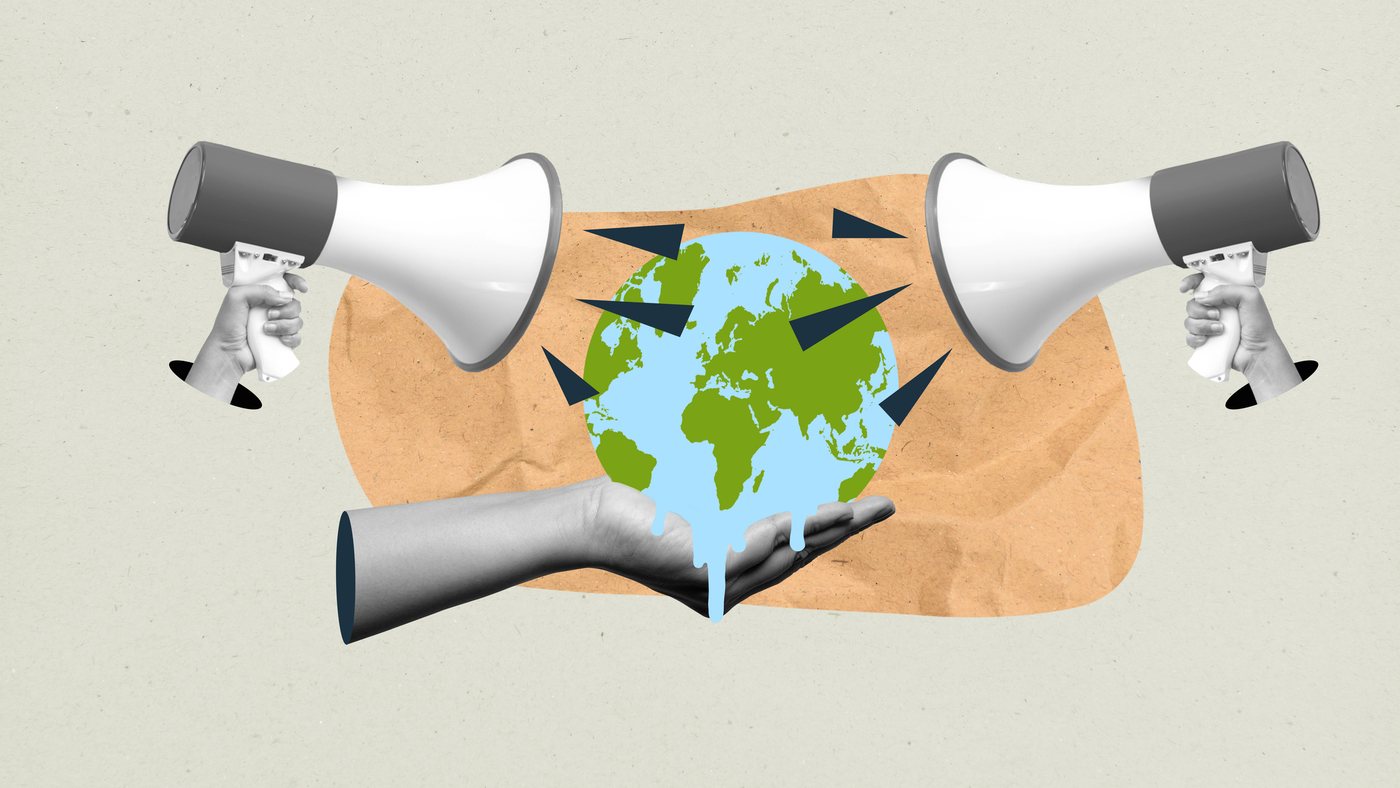
Climate change is not a partisan issue, and the communicators who talk about it most are not trying to make it one. That is the central finding of a new survey of leading climate organizations and individuals across the United States and Canada, which shows that the people most engaged in climate communication are focused on helping the public understand how a warming planet is already shaping their daily lives.
The survey found that almost none of the top communicators said advocating for candidates or policies was the goal of their work. Only 4% prioritized advocating for elected officials or candidates. Instead, their top priority was helping people understand what is happening and why it matters. As one framing puts it, climate change is loading the weather dice against us, and its effects are growing.
That approach reflects a simple reality: a flood does not ask who you voted for before it sweeps your house away, and wildfire smoke does not distinguish between Republicans and Democrats before it chokes the air. This summer of disasters has shown that climate impacts are not political, and it is past time we stopped talking about them as if they were.
The stakes are not abstract. A recent study estimated that deaths caused by extreme heat are vastly under-reported. Air pollution, whether from burning fossil fuels or wildfire smoke, is responsible for a growing list of health impacts, from increased risk of asthma and dementia to premature death. The financial toll is also rising, with climate-related expenses, including higher utility bills and insurance premiums, already adding at least $400 to $900 to yearly household budgets. And as recent years have shown, there are no climate havens: everyone is at risk.
Yet public conversation about the issue remains limited. Just under half of Canadians and 41% of Americans read or hear about climate change once a week. Only 20% of Americans discuss global warming with family and friends a few times a month or more, and nearly half, 44%, say they never discuss it at all. Many articles about devastating floods, soaring home insurance costs, or the escalating health risks of wildfire smoke fail to make the connection between these issues and climate change.
One reason is that polarized public discourse has made climate conversations more difficult. Even well-meaning efforts to move climate change up people's priority lists often misrepresent the risks. The reality is that climate change does not need to move up any list; it is already impacting any homeowner's, farmer's, teacher's, or parent's top concerns. But that connection is not always obvious, and it needs to be made again and again.
The survey asked climate newsletter writers, podcast hosts, social media posters, and those building climate content for nonprofits what is working. The first and most important lesson is that talking about climate change means talking about everyday life. Their first priority is to connect the climate crisis to other concerns people face: jobs, health, and the places they love. They do not set up climate change as a rival to those worries. Instead, they understand that climate change is already shaping the things people worry about. When the dots are connected between what we love and how climate change threatens it, it becomes obvious that nearly all of us have our own reasons to care and act.
The second priority is shifting public perceptions and norms. Three years ago, 71% of Canadians and 63% of Americans reported they were worried about climate change. But most people keep their worries to themselves and underestimate how many others share their concerns. When people do not hear their neighbors, coworkers, and friends talking about climate change, they are less willing to bring it up themselves. Conversely, of everything people can learn about climate change, knowing that others care best predicts whether people speak up. If we do not talk about climate change, how will we know who else cares about it, and if we think we are alone in our concern, why would we act?
Climate communicators are not pushing to make this a partisan issue. They are working to inform and educate their audiences about climate action, climate science, risks, and impacts, in hopes of equipping others to talk about climate change themselves. Climate communication that is not polarizing and connects directly to what we already care about is exactly what is needed; we just need more of it.
Yet only 41% of the communicators surveyed report having received any financial support for their climate communication in the past five years. A third work entirely alone, and two-thirds work either alone or with a small team of ten or fewer colleagues. Even with these limitations, they are producing content and getting the word out: nearly eight in ten say they are publishing content about climate change at least once a week.