Zelenskyy awards Elon Musk Ukraine’s Order of Freedom
Ukraine honored the SpaceX and Tesla chief for protecting lives and freedom and for strengthening ties between Ukrainians and Americans, even as Kyiv and Musk remain divided over how Starlink should be used in the war.
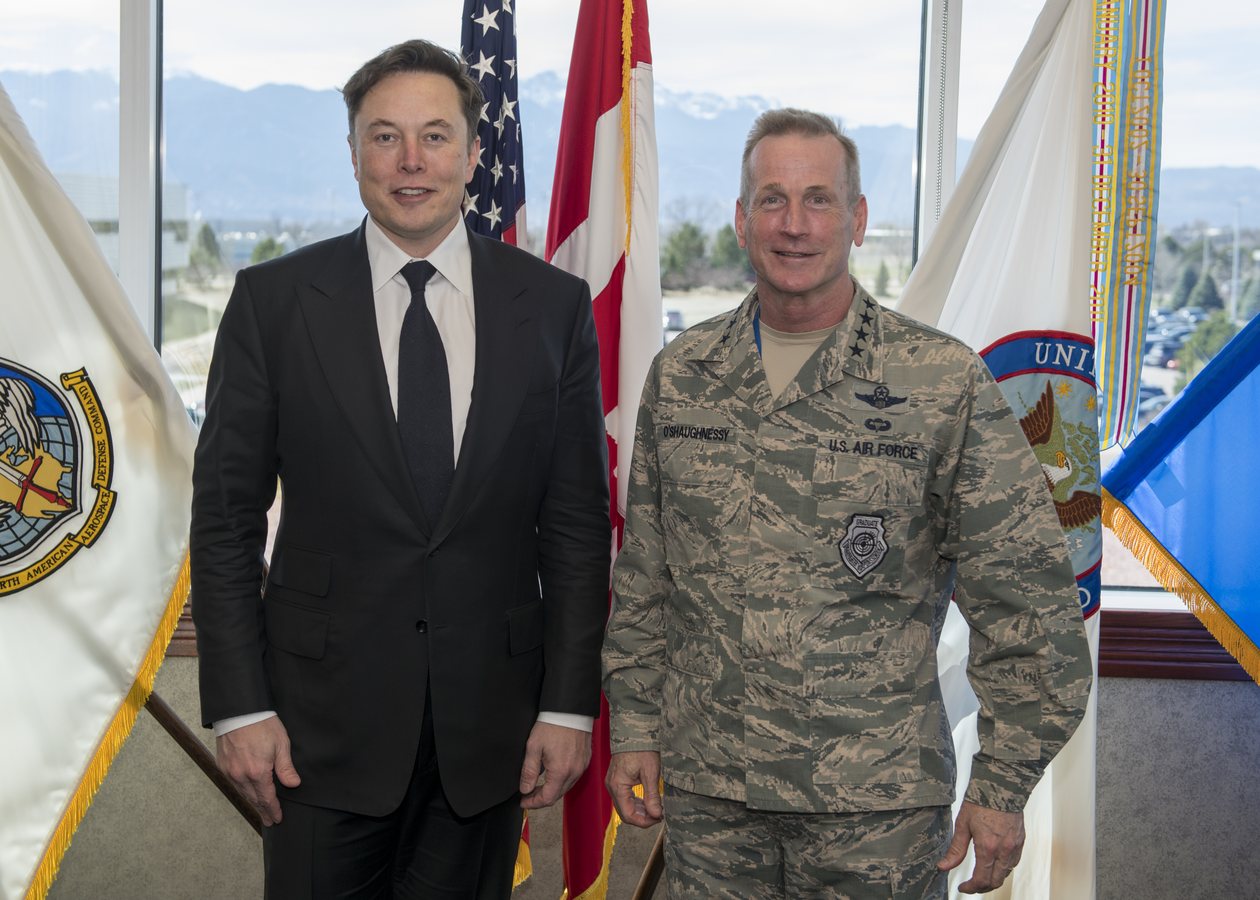
Ukrainian President Volodymyr Zelenskyy awarded Elon Musk the Order of Freedom on Wednesday, giving one of Ukraine’s highest state honors to a U.S. technology executive whose satellite network has become deeply embedded in the country’s wartime communications. Decree No. 835/2026, signed August 26, cites Musk’s outstanding personal contribution to protecting human life and freedom and to developing relations between the peoples of Ukraine and the United States.
The order identifies Musk as an entrepreneur, engineer and head of SpaceX and Tesla. The document itself does not mention Starlink, but SpaceX’s satellite internet system is the clearest practical link between Musk and Ukraine’s resilience since Russia launched its full-scale invasion in 2022.
Starlink terminals were rushed into Ukraine as conventional networks were damaged or knocked offline. The service was used by civilians, public institutions and the military, giving the country a communications layer that was comparatively difficult for Russia to disable by destroying local infrastructure. As Ukraine’s military adopted more drones and digital battlefield tools, access to satellite connectivity became even more consequential.
That role has also made Musk an unusually powerful private actor in a conflict normally shaped by governments and militaries. He does not set U.S. foreign policy, but SpaceX can define where Starlink operates and under what conditions. Those technical decisions can have immediate operational effects for Ukraine.
The relationship has therefore been both valuable and contentious. Musk has repeatedly criticized Zelenskyy and questioned elements of Kyiv’s war strategy. He has also resisted enabling broader Starlink service over Russian territory, arguing that he does not want the network used in ways that could escalate the conflict. Ukraine, which sees satellite connectivity as part of its defensive capability, has continued pressing for greater flexibility for some operations.
SpaceX has at other times taken steps that clearly benefited Ukraine. Russian forces obtained Starlink terminals through unauthorized channels despite the company not officially selling service to Russia. SpaceX moved to restrict that use, complicating Russian battlefield communications in areas where troops had incorporated the terminals into their networks.
The Order of Freedom is reserved for exceptional contributions to Ukraine’s sovereignty and independence, democratic development, and the protection of rights and liberties. Foreign nationals are eligible. In Musk’s case, the decree’s emphasis on protecting lives reflects the way communications infrastructure can become a life-preserving asset during war, supporting everything from government continuity to military coordination and emergency response.
For an American audience, the award also illustrates how U.S.-Ukraine ties now extend beyond traditional diplomacy and defense aid. A privately owned American company controls technology that can materially affect Ukraine’s ability to communicate and fight. That gives corporate policy decisions a geopolitical weight they would not carry in ordinary commercial settings.
The honor should not be read as an endorsement of Musk’s every public position. Kyiv has openly disagreed with him, sometimes sharply. The award instead separates political friction from a narrower judgment about the impact of Starlink and SpaceX. It is a pragmatic recognition that a difficult partner can still have made a contribution the Ukrainian state considers exceptional.
What comes next may matter more than the ceremony. Ukraine is still seeking broader Starlink access for certain defense-related uses connected to Russian territory, while Musk has shown that he is willing to draw his own limits. The durability of the relationship will depend on whether Ukraine and SpaceX can turn a largely personality-driven arrangement into a more predictable framework for a technology that has become part of the architecture of modern war.
81