Justice Department Investigates Major TV Networks Over Suspension of Trump Pool Coverage
The Justice Department has opened an antitrust investigation into five major television networks after they suspended participation in the White House TV pool to protest President Donald Trump's ban on CNN. A DOJ spokesperson confirmed the probe, which examines whether the networks' coordinated boycott violated competition law.
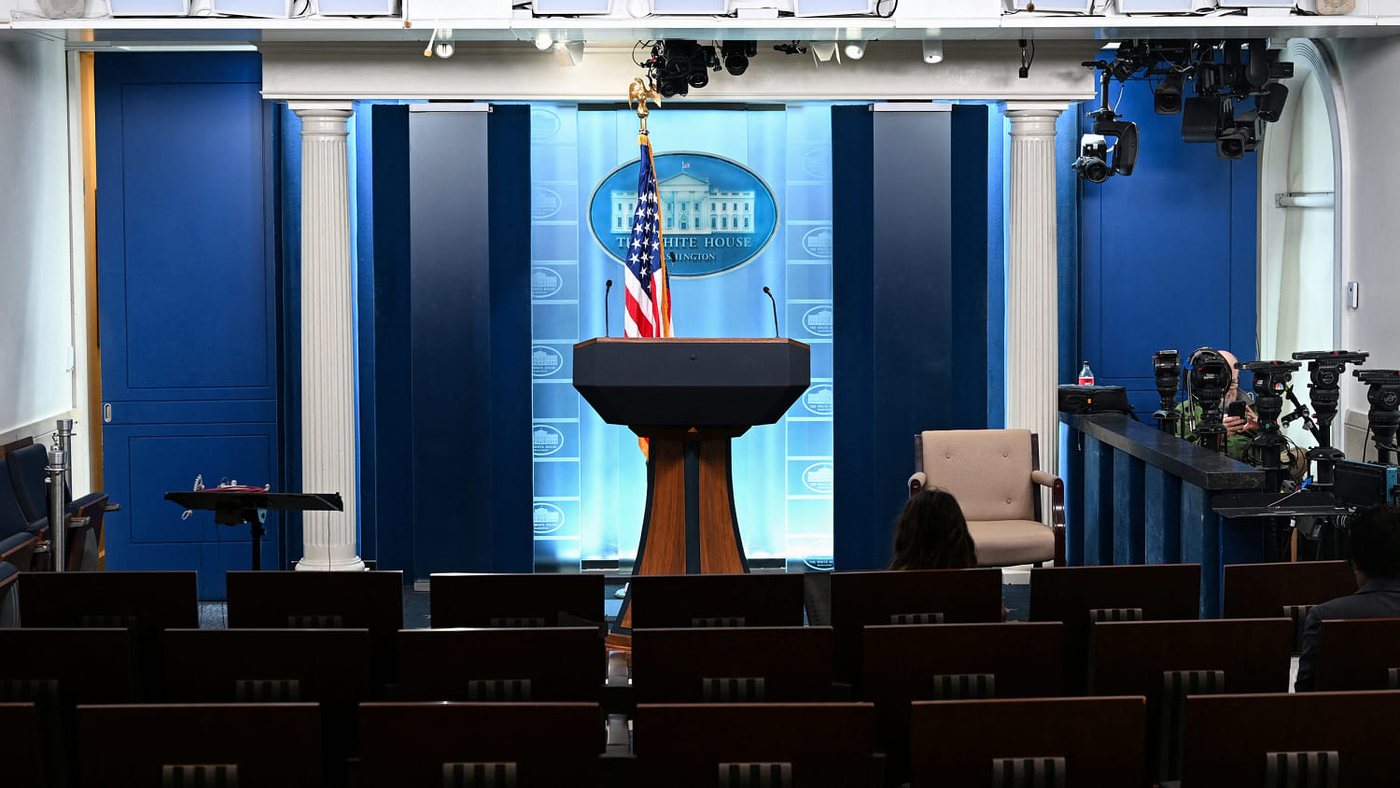
The Justice Department has launched an antitrust investigation into five major television networks over their decision to suspend participation in the White House television pool, a coordinated move made in protest of President Donald Trump's exclusion of CNN from the rotating coverage arrangement. The probe, confirmed by a Justice Department spokesperson, marks a significant escalation in the long-running tension between the Trump administration and the national press corps.
Emily Covington, a spokesperson for the Justice Department, said in a statement that the department is examining whether the networks' collective withdrawal from the pool amounted to a violation of antitrust laws. «Members of the television press pool have boycotted covering» the White House, Covington said, confirming the department's interest in the matter. The investigation focuses on whether the five networks acted in concert in a way that improperly restrained competition or denied the public access to coverage of the presidency.
The dispute traces back to the Trump administration's decision to bar CNN from participating in the traditional White House television pool, a rotating group of networks that shares footage and access to presidential events. In response, the other major networks — ABC, CBS, NBC, and Fox News — suspended their participation in the pool, arguing that the exclusion of one member undermined the purpose of a shared coverage arrangement designed to serve the public interest. The pool system has long allowed networks to pool resources and ensure consistent coverage of the president's daily activities, from press briefings to public appearances.
The Justice Department's inquiry raises novel legal questions about the intersection of antitrust law and press freedom. Antitrust statutes are typically applied to commercial conduct that harms competition in a market, but the networks' boycott was framed as a journalistic protest rather than a business maneuver. Legal experts have noted that applying antitrust principles to editorial decisions by news organizations could set a significant precedent, potentially chilling coordinated action by media outlets in response to government restrictions on access.
The White House has not issued a detailed public response to the investigation, but the move signals that the administration is prepared to use regulatory tools to push back against press corps decisions it views as politically motivated. The networks, for their part, have defended their suspension as a necessary response to what they describe as an unprecedented attempt to politicize the pool system by excluding a specific outlet based on its coverage.
The investigation is at an early stage, and it remains unclear whether the Justice Department will ultimately bring any enforcement action. Antitrust probes of media organizations are rare, and any case would likely face substantial legal hurdles, including First Amendment arguments that editorial and associational decisions by news outlets are protected speech. Still, the mere opening of an inquiry can have a chilling effect, forcing networks to weigh the costs of collective action against the risk of prolonged government scrutiny.
The White House Correspondents' Association, which helps administer the pool, has historically acted as a neutral arbiter of access, balancing the needs of different outlets and the public's right to information. The current dispute has tested that role, with the association caught between the administration's demands and the networks' insistence on maintaining a unified front. The outcome of the Justice Department's investigation could reshape how the press corps negotiates access to the president and whether collective responses to exclusion remain a viable tool for news organizations.
For now, the probe adds another layer of uncertainty to an already fraught relationship between the Trump administration and the mainstream media. The networks continue to cover the White House through alternative arrangements, but the pool system remains suspended, leaving a gap in the shared coverage that has traditionally provided the public with consistent, pooled access to presidential events. The Justice Department has not announced a timeline for its review, and no charges have been filed.
9